
How long does a commercial playground last?

A well-built commercial playground can serve a community for 15 to 25 years. Here is how lifespan breaks down by material, what shortens or extends it, and the inspection routine that protects your investment.
It is one of the first questions we hear from schools, childcare directors and council asset teams: if we invest in this playground now, how many years will we get out of it? The honest answer is that a quality commercial playground built to Australian Standards will typically serve a community for 15 to 25 years — but that range moves a long way depending on the materials you choose, your climate, how hard the space is used, and whether anyone keeps up the inspections. Here is how it actually breaks down.
Lifespan by material
Most commercial play spaces are not made from a single material. The structure, the panels, the slides and the surfacing all age at different rates, so it helps to think in components rather than one number.
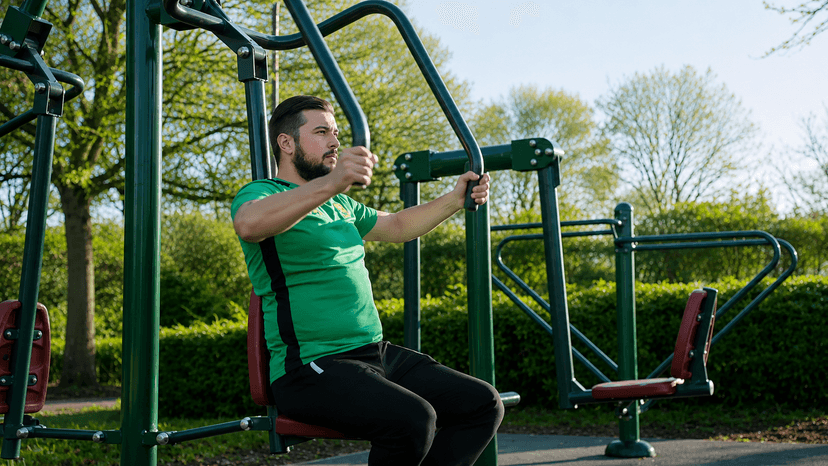
- Galvanised and powder-coated steel posts and frames are the workhorses — expect 20 to 25 years or more when the coating is maintained and edges are not left to rust.
- Hardwood and timber structures bring a natural look but weather faster in the Australian sun and wet; plan on 10 to 15 years with regular sealing and the odd component swap.
- HDPE plastic panels, slides and climbers resist UV and moisture well and commonly run 15 to 20 years before colour fade or brittleness calls for replacement.
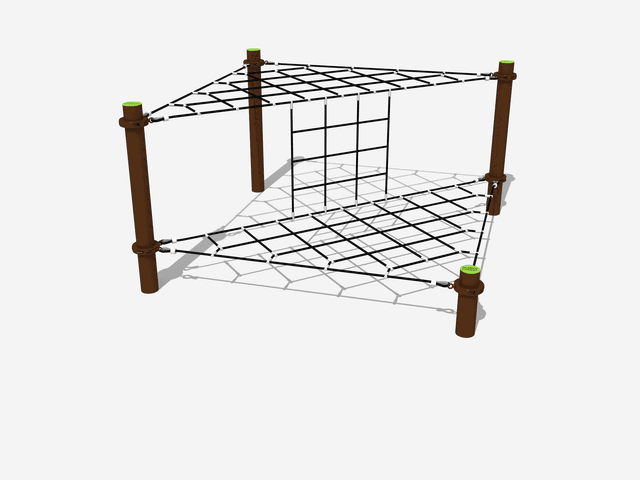
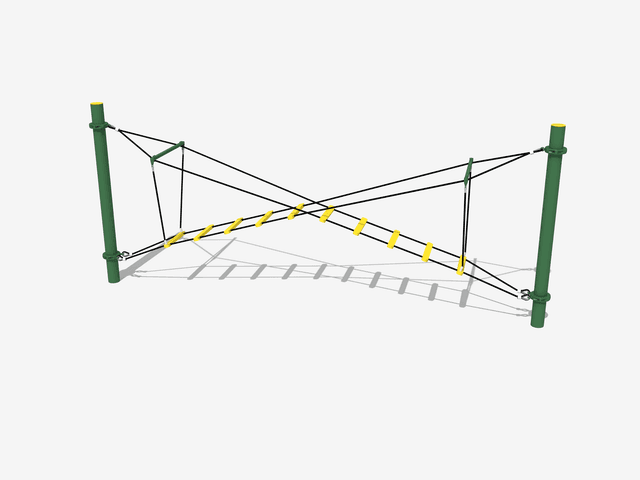
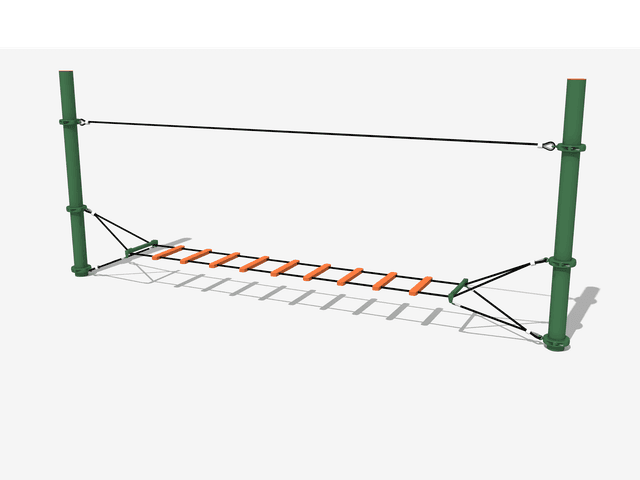
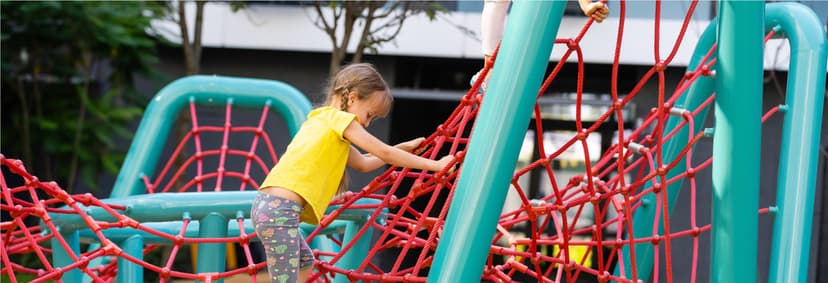
- Rope and net elements are usually the first to wear, often 8 to 12 years, because they take constant friction and load.
- Softfall surfacing varies most of all: loose-fill mulch needs topping up every year or two, rubber wet-pour lasts roughly 8 to 12 years, and synthetic turf sits in a similar band.
Because these elements wear at different speeds, a smart playground is designed so high-wear parts can be replaced without ripping out the whole structure. That single decision often doubles the useful life of the overall asset.
What extends a playground's life
The gap between a 12-year playground and a 25-year one is rarely the price tag — it is the specification and the site work behind it. A few things make an outsized difference.
- Equipment certified to AS 4685 and softfall to AS 4422, with independent certification at handover so you start from a known-good baseline.
- Correct drainage and groundworks — water pooling around footings is the single biggest hidden killer of timber and steel alike.
- Marine-grade or high-spec coatings if you are anywhere near the coast, where salt air accelerates corrosion.
- Choosing a layout that suits your traffic; see our notes on play systems versus freestanding equipment to match durability to how the space will be used.
- Strong manufacturer warranties on structure, coatings and plastics, so you know which parts are covered and for how long.
The cheapest playground is rarely the one with the lowest quote — it is the one you do not have to rebuild in ten years.
Maintenance and inspections
Australian Standards expect playgrounds to be inspected on a regular cycle, and keeping records protects you on both safety and liability. A practical routine for most sites looks like this:
- Routine visual checks (weekly to monthly depending on use) for obvious damage, vandalism, worn surfacing and litter.
- Operational inspections every one to three months, looking at moving parts, fixings, wear and bolt tension.
- Annual comprehensive inspections by a qualified inspector, ideally documented, to catch corrosion, footing movement and surfacing depth before they become failures.
- Top up loose-fill softfall and re-check critical fall depths, since worn surfacing is one of the most common compliance gaps councils and auditors flag.
If you want the full picture of what auditors look for, our compliance overview and surfacing guide walk through the requirements in plain English.
Planning and budgeting for the full lifecycle
Whether you are a school, a childcare service, a developer or a council, it pays to budget for the whole life of the asset rather than just the install. Set aside a modest annual maintenance allowance, plan for one or two mid-life component refreshes (rope, slides, surfacing), and you can comfortably stretch a playground past the two-decade mark. Our cost guide and funding resource can help you frame both the upfront and ongoing numbers, and they are useful supporting documents if you are seeking council approval or grant money.
Talk to a specialist
Kidzspace has delivered more than 1,000 commercial playgrounds across Australia since 2015, all certified to AS 4685 with softfall to AS 4422 and independently signed off at handover. If you would like a fixed-price, itemised quote — or advice on specifying a playground built to last in your climate and site — get in touch for a free quote or call us on 1300 543 977. We are happy to talk through lifespan, maintenance and the right materials for your space before you commit a cent.
Planning a playground?
Tell us about your site and we'll design something your community will love.
