


The short version
Building-permit and development-approval requirements differ by state, territory and local council. Some smaller, lower-risk projects on private land are exempt or fast-tracked; larger or public projects often need formal development approval (DA). The golden rule: check with your local council early, before timelines are locked in.
When approval is (and isn't) needed
There's no single national answer, but a few patterns hold true across most areas:
- Public land (parks, reserves) almost always involves council process
- Larger or higher structures are more likely to trigger a DA
- Some minor works on private land may be exempt or self-assessable
- Schools often follow their education department's own processes
- Heritage, flood or environmental overlays can add requirements
Documents you'll typically need
Whatever the pathway, assessors want to see what's going in, where, and that it's safe. A typical submission draws on:
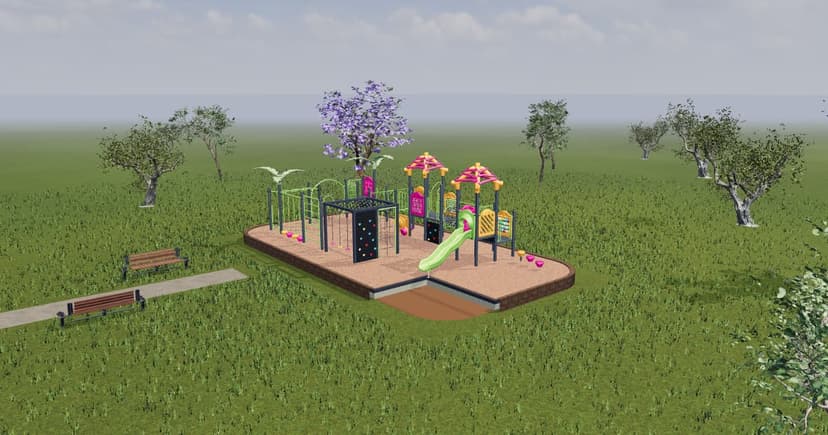
- A site plan showing location, layout and setbacks
- Equipment specifications and AS 4685 compliance information
- Softfall surfacing details and AS 4422 impact data
- Drainage, access and any shade or fencing proposals
The process, step by step
Approvals vary, but most follow a recognisable shape. Building in time for each stage avoids nasty surprises near install.
- Pre-lodgement enquiry — confirm what's required with council
- Lodge the application with supporting documents
- Assessment and any internal or external referrals
- Decision, usually with conditions to satisfy
- Meet conditions, then proceed to installation
How we help
We can't make council move faster, but we can make your application as strong and complete as possible. We provide the equipment specifications, compliance certificates and 2D/3D plans you need to lodge, and we'll happily liaise with your certifier, landscape architect or council contact so nothing stalls for want of a document.