
Synthetic turf softfall — soft, accessible, all-weather
A shock-absorbing pad and synthetic turf system tested and certified as compliant playground softfall to AS 4422 — with the natural look of grass and none of the mud, mowing or bare patches.
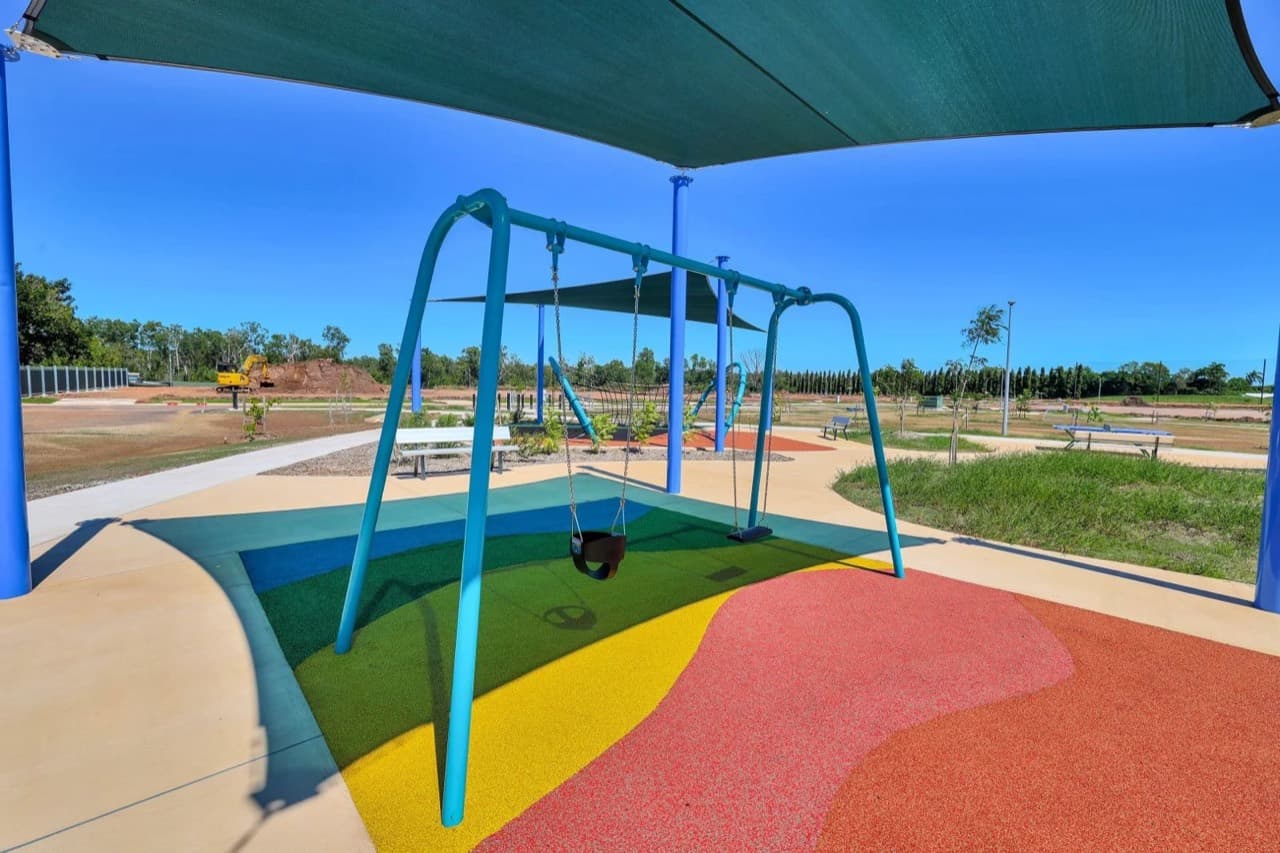
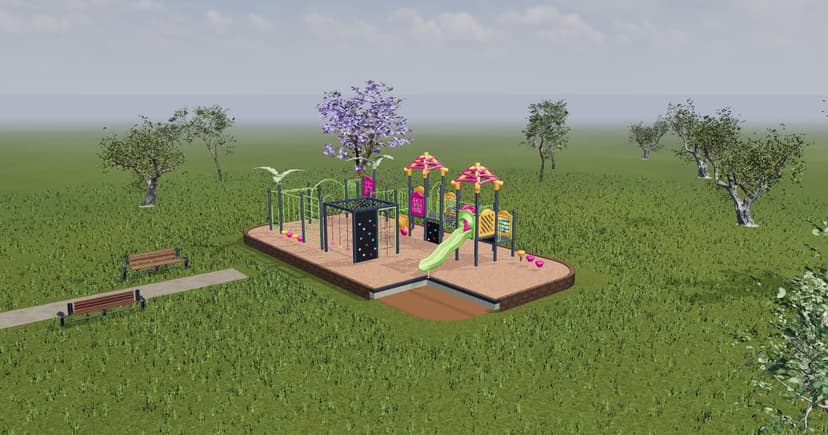
Synthetic turf over a shock-absorbing pad is one of the most popular playground surfaces we install — and it's easy to see why. It gives a soft, natural-looking green surface that stays usable in every season, doesn't compact or displace like loose-fill, and holds up to relentless daily use without turning to mud or dust.
Turf-and-pad systems must be tested together to AS 4422 and achieve an acceptable Head Injury Criterion (HIC) at the equipment's critical fall height — not every turf product qualifies on its own. We only specify systems that pass as a certified, matched assembly, so you get a surface that looks great and performs to standard from day one.
Synthetic Turf specifications
Synthetic Turf benefits
All-weather use
No mud, no puddles, no bare worn patches — the surface looks and performs the same in every season.
Fully accessible
A firm, level surface that prams, walking frames and wheelchairs can move across easily, unlike loose-fill materials.
Low maintenance
No mowing, raking or topping up — an occasional brush and rinse is all it needs to keep performing.
Certified compliance
Supplied as a tested turf-and-pad system that meets AS 4422 at your equipment's critical fall height, not a generic turf product.
Synthetic Turf FAQs
Can any synthetic turf be used under playground equipment?
No — not all turf qualifies. It must be tested together with its shock-absorbing pad as a matched system and achieve a Head Injury Criterion (HIC) of 1000 or less at the required critical fall height under AS 4422. We only specify certified turf-and-pad systems.
How long does synthetic turf softfall last?
Typically 10–15 years, depending on traffic and UV exposure. Impact performance is checked as part of an annual playground inspection to confirm the system still meets AS 4422 at depth.
Does it get hot in summer?
Synthetic turf can run warmer than natural grass in direct sun. We can advise on lighter colourways and shade placement to help manage surface temperature for your site.
Is synthetic turf more expensive than mulch or sand?
It costs more upfront than loose-fill, but needs very little ongoing maintenance — no topping up, raking or replacement every few years — so the total cost over the surface's life is often comparable or better.
Other surfacing options
Get synthetic turf specified for your project
Fixed-price quotes, matched to your equipment's fall height and certified to AS 4422 — supplied and installed Australia-wide.