

Why the standards matter
Australia's playground standards exist to prevent the injuries that matter most — and the overwhelming majority of serious playground injuries come from falls. Meeting the standards protects children, and it protects you: schools, councils and operators have a clear duty of care, and certified, well-documented equipment is central to meeting it.
AS 4685 — the equipment
The AS 4685 series covers the safety of playground equipment and its installation. It sets out the requirements manufacturers and installers must meet so that equipment is safe by design.
- Preventing head, neck, finger and clothing entrapment
- Safe fall heights, guarding and barriers at height
- Minimum spacing and clearances between elements
- Secure, tamper-resistant fixings and finishes
- Specific rules for swings, slides, rotating and rocking equipment
AS 4422 — the surface underneath
AS 4422 governs the impact-attenuating surfacing beneath and around equipment. The key measure is the Head Injury Criterion (HIC): tested surfacing must record a HIC of 1000 or less at the playground's critical fall height — the greatest height a child could fall from.
- Surfacing must be matched to the equipment's free height of fall
- Loose-fill materials must be installed (and maintained) at adequate depth
- Wet-pour and tile systems are specified by impact testing
Free height of fall & fall zones
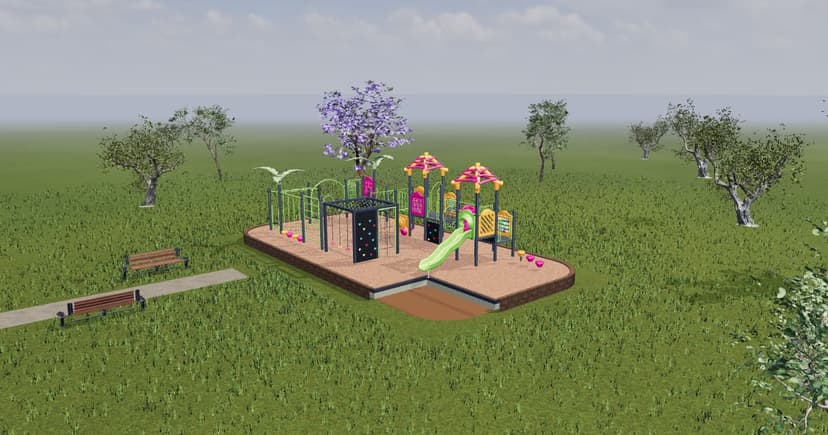
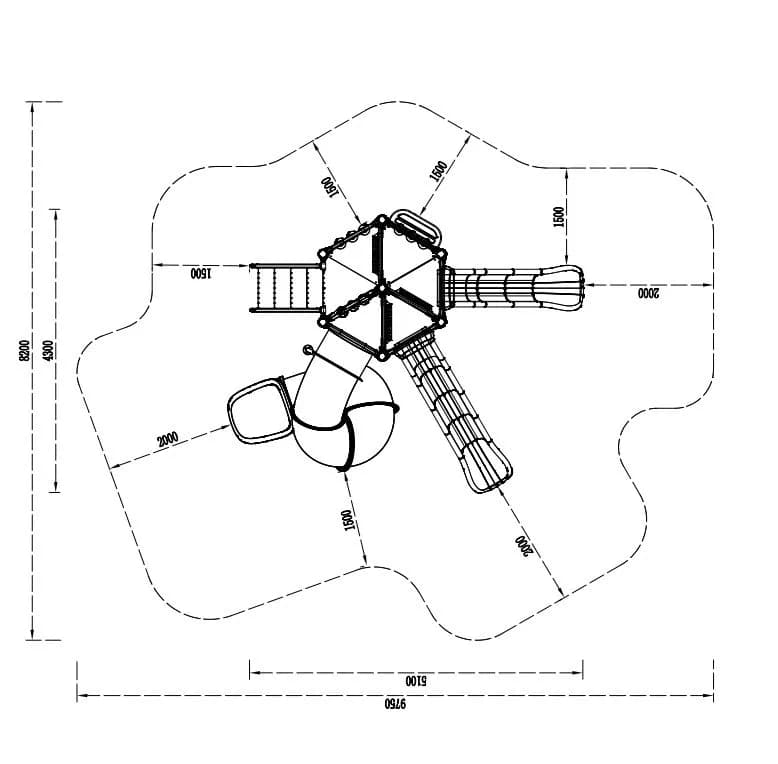
Two ideas do a lot of work in playground safety. The free height of fall is the highest point a child can reasonably climb to and fall from. The fall zone (or impact area) is the clear, compliant-surfaced space around equipment where a falling child might land. Generally, anything with a fall height above 600mm needs compliant softfall beneath it, and the higher the equipment, the larger and deeper the protected area must be.
Inclusive & accessible design
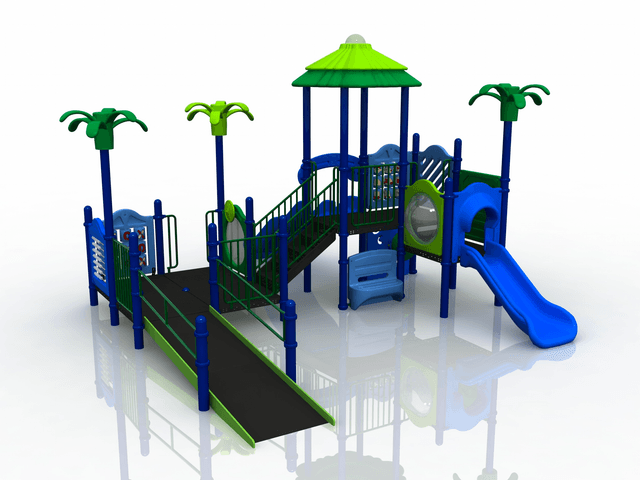
Good compliance goes hand in hand with inclusion. Alongside the equipment standards, we consider accessibility so children of all abilities can take part — accessible paths of travel, ground-level activities, and equipment that welcomes everyone, not just those who can climb.
Certified & documented
Every Kidzspace project is designed and built to AS 4685 and AS 4422. Independent certification by a qualified playground inspector, with a post-installation inspection and compliance documentation, is quoted and supplied separately on request — that paperwork is your evidence of due diligence, so ask for it if your project needs it on file.