
The quick answer
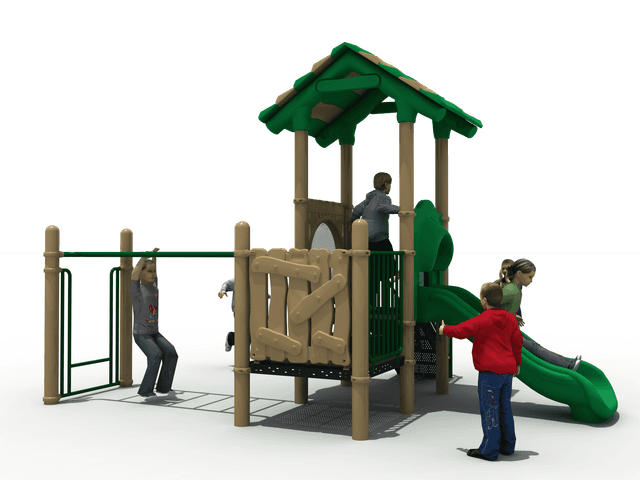
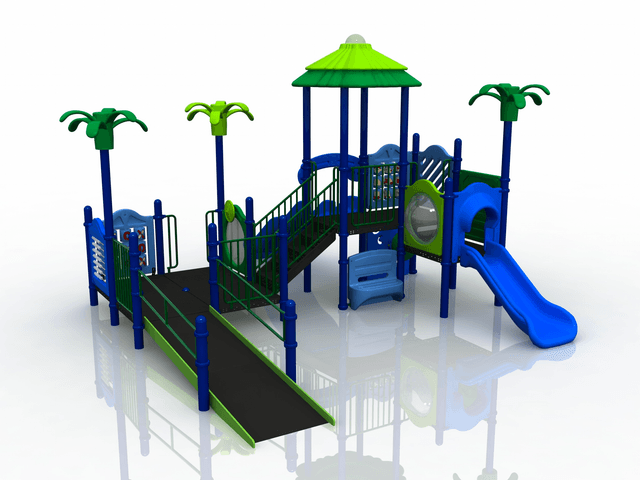
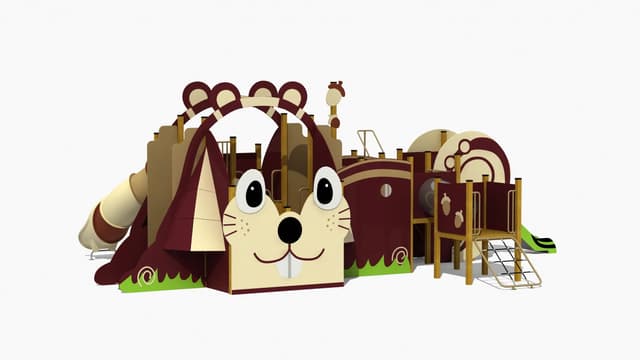
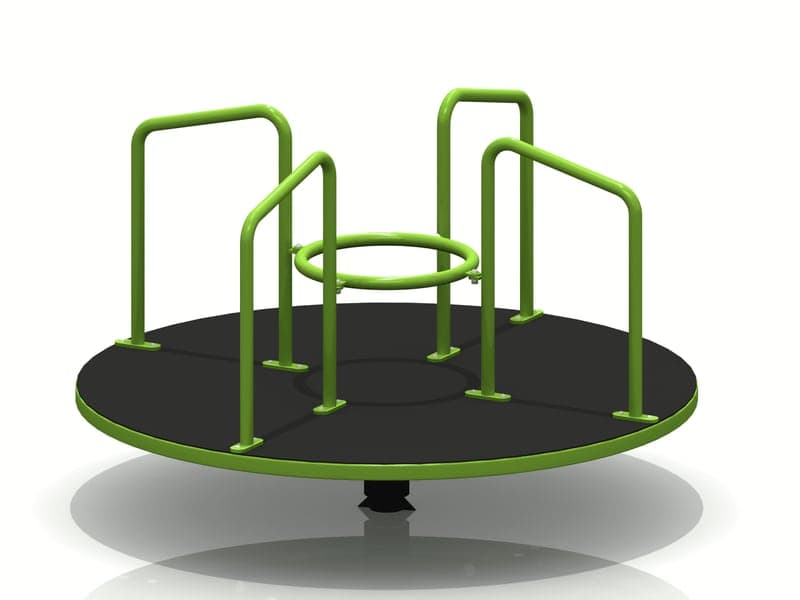
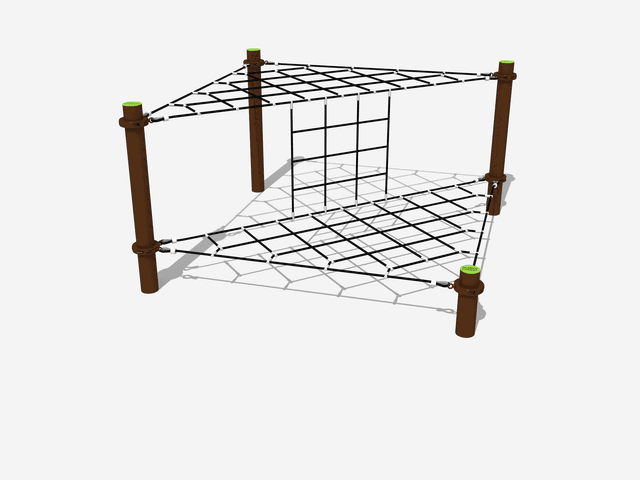
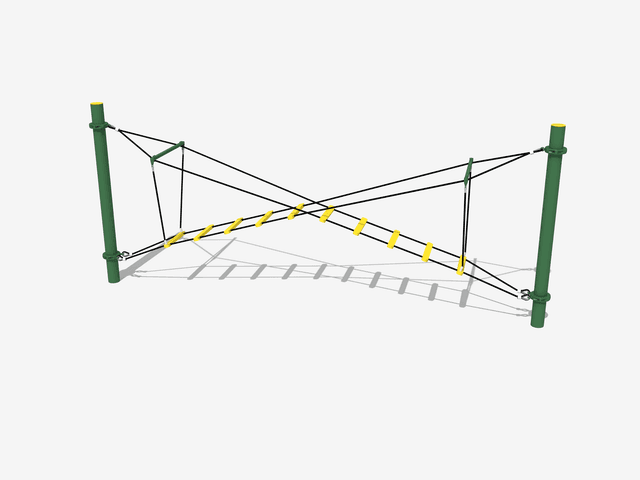
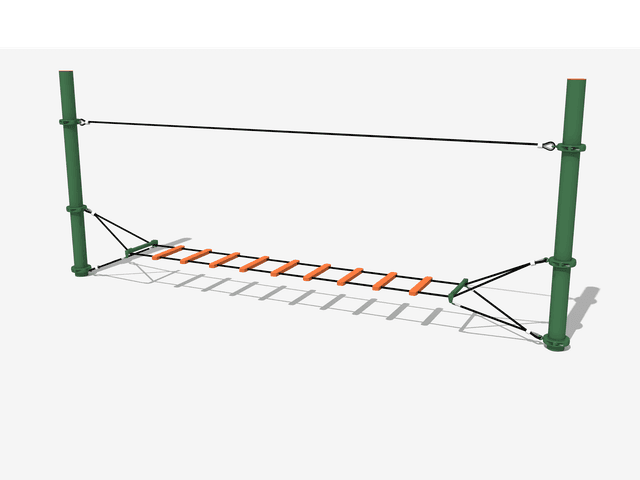
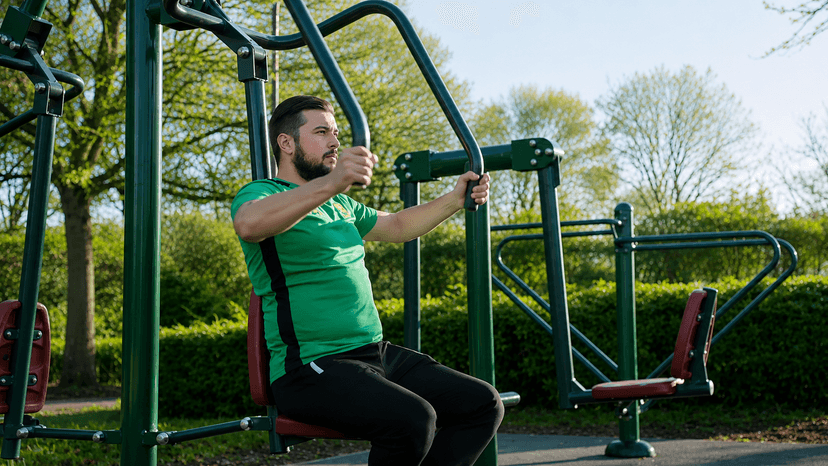
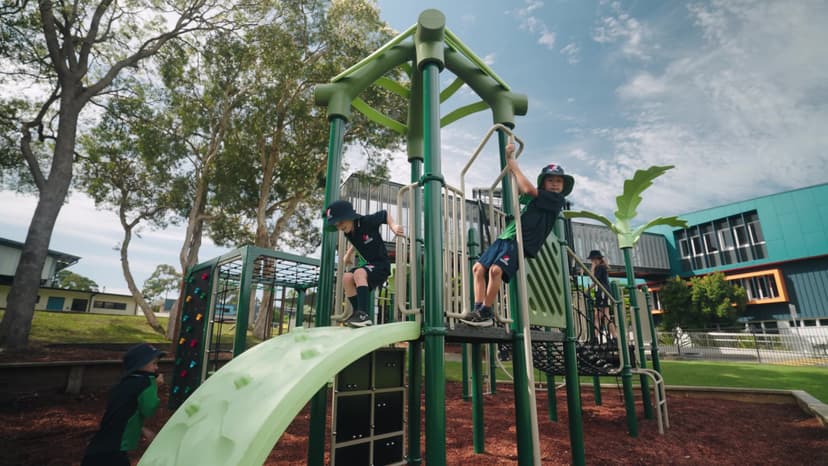
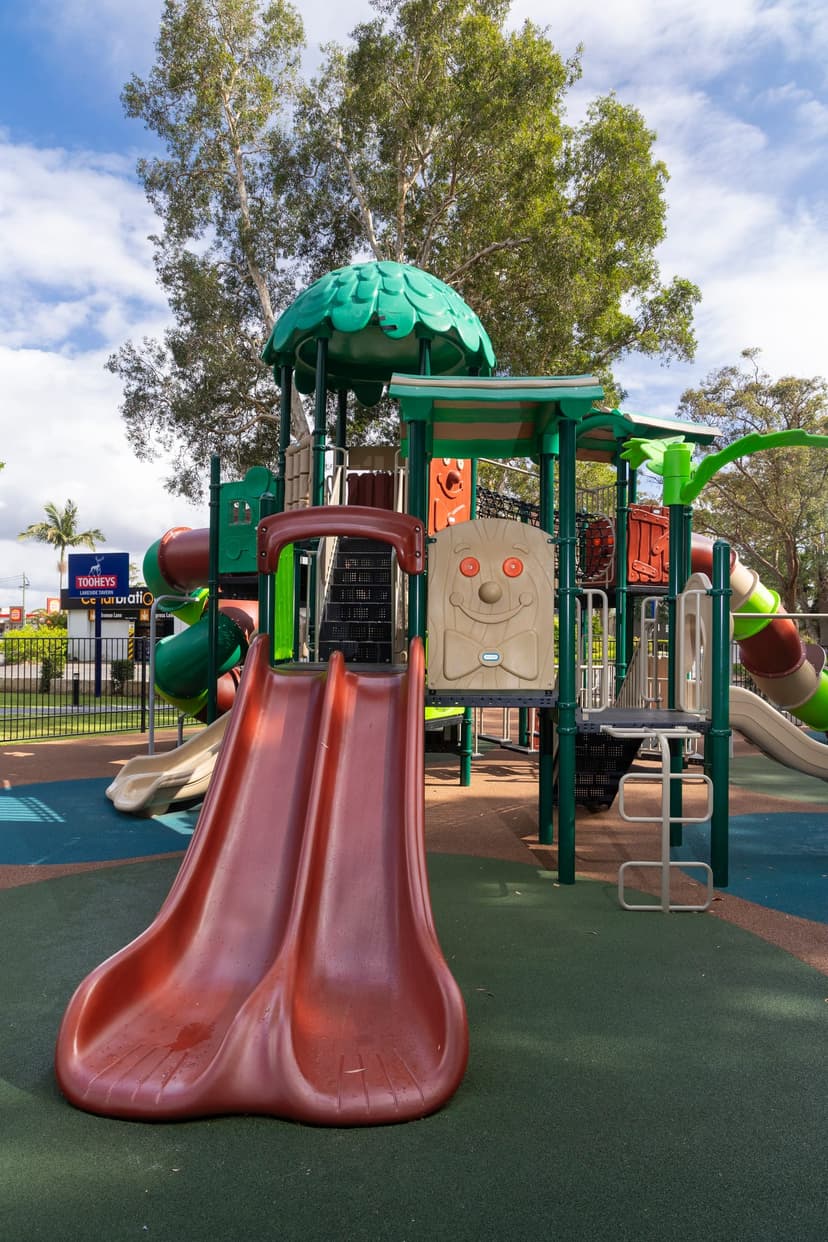
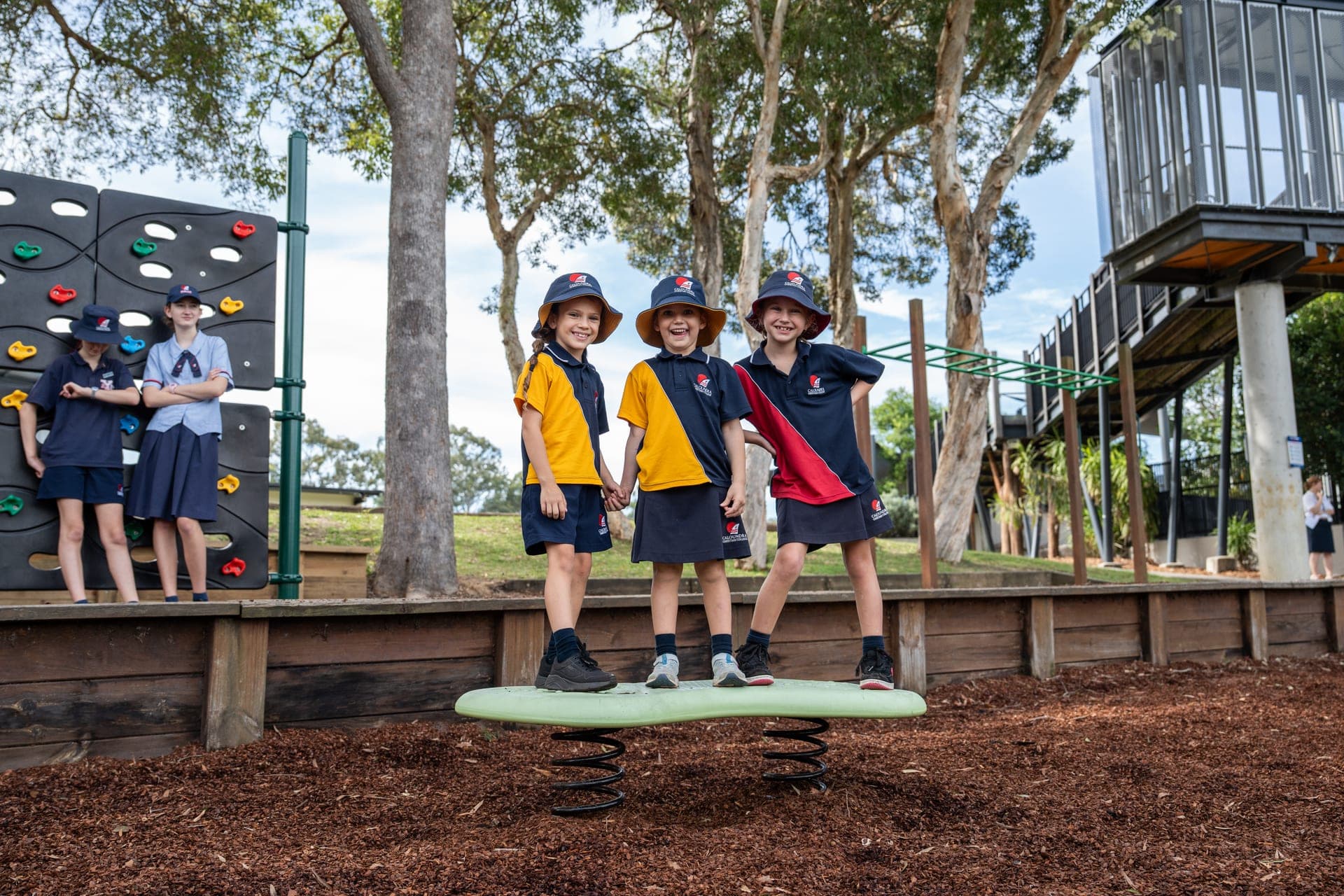
A play system is an interconnected structure — towers, bridges, slides and climbers joined together, sharing a single continuous fall zone. Freestanding equipment is individual pieces — a swing set, a spinner, a spring rider — each with its own independent footprint and fall zone. Systems pack the most play into a space; freestanding pieces give you flexibility and a lower entry price. Many sites combine the two.
When a play system wins
If you want a destination — lots of play in a defined area — a connected system is usually the better value per square metre.
- Space-efficient: linked elements share one fall zone instead of many
- High play value: climbing, sliding, balancing and social play in one structure
- A clear visual centrepiece for a school, park or estate
- Expandable — many systems can be added to later
When freestanding wins
If budget, flexibility or a tricky site is your priority, standalone pieces shine.
- Lower entry cost — start with one or two pieces and grow over time
- Flexible layout — place items where awkward sites or trees allow
- Easy to target a need: a swing for inclusion, a spinner for older kids
- Simple to add to an existing playground without a redesign
Why most playgrounds use both
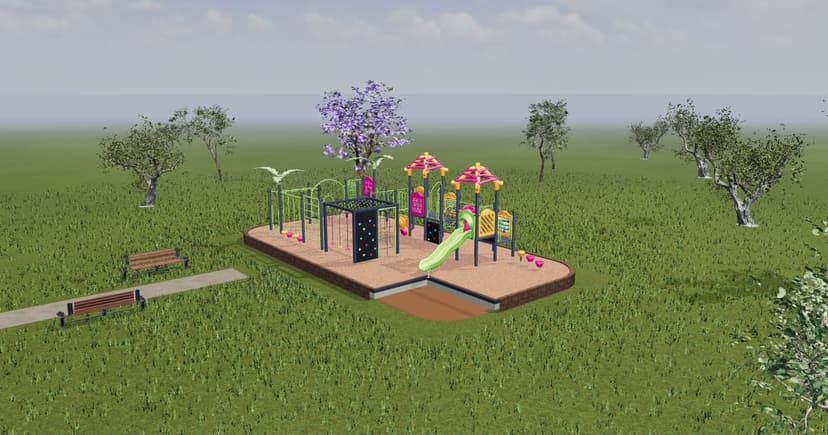
In practice, the best-value playgrounds anchor the space with a compact play system, then add a few freestanding pieces — a swing set, a spinner, a spring rider — to broaden the age range and types of play. It spreads children out, reduces queuing, and gives every visitor something that suits them. We'll help you strike the right balance for your space and budget.