






Sand & mulch softfall
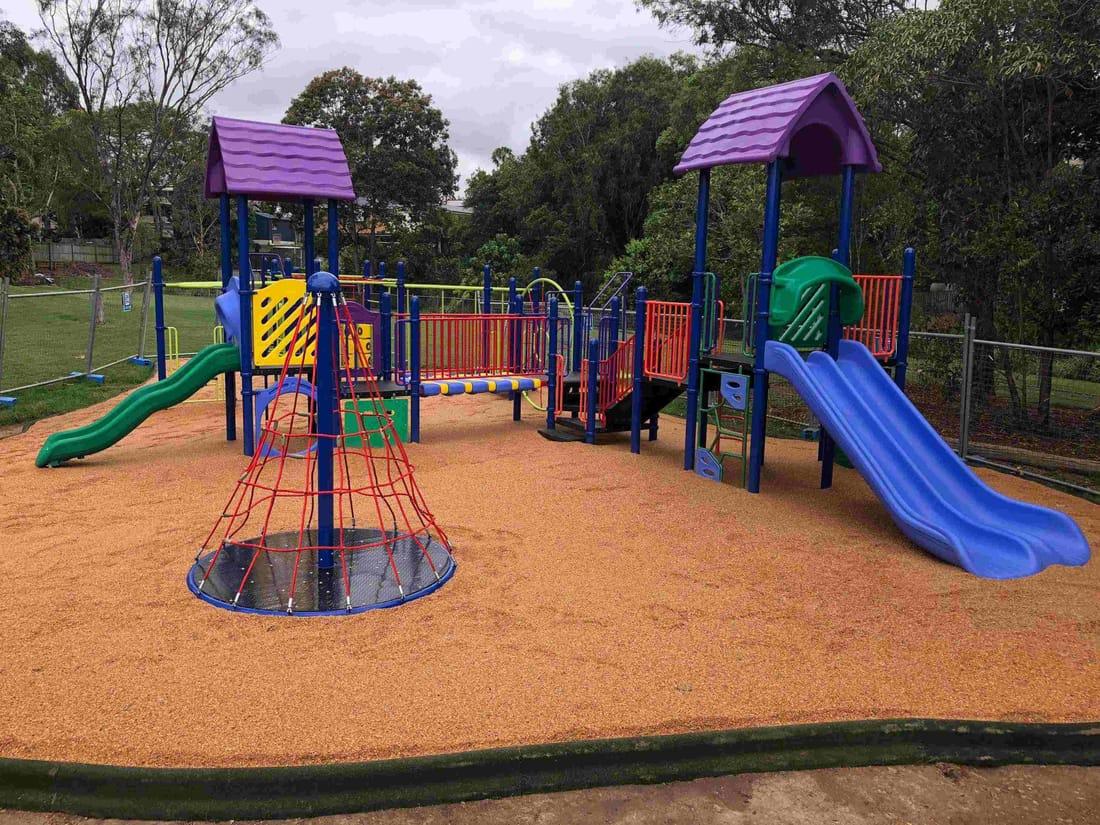
Sand and mulch are a well-established, natural way to surface an outdoor play area — widely used in playgrounds, schools and childcare centres where impact absorption, sensory play and a natural look matter most. As loose-fill surfaces they're installed within a prepared, contained area, and must be certified playground-grade to perform as compliant softfall.
Laid at the correct depth — typically 300mm or more — they absorb impact under AS 4422 and support all kinds of play, from digging to climbing. They're the lowest-cost way to achieve compliant softfall. The trade-off is upkeep: loose fill displaces and compacts with use, so it's used as a defined zone with proper edging, and the depth is checked and topped up over time to stay compliant.
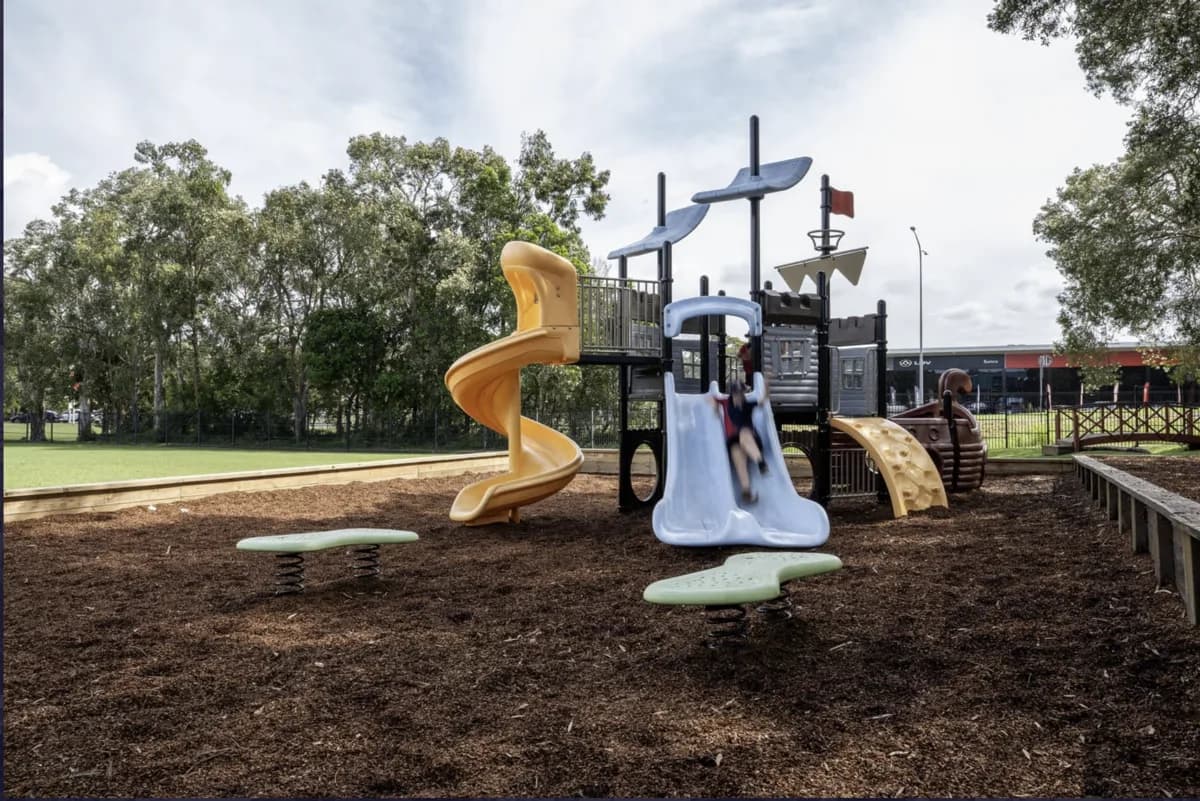
What sand & mulch is made of
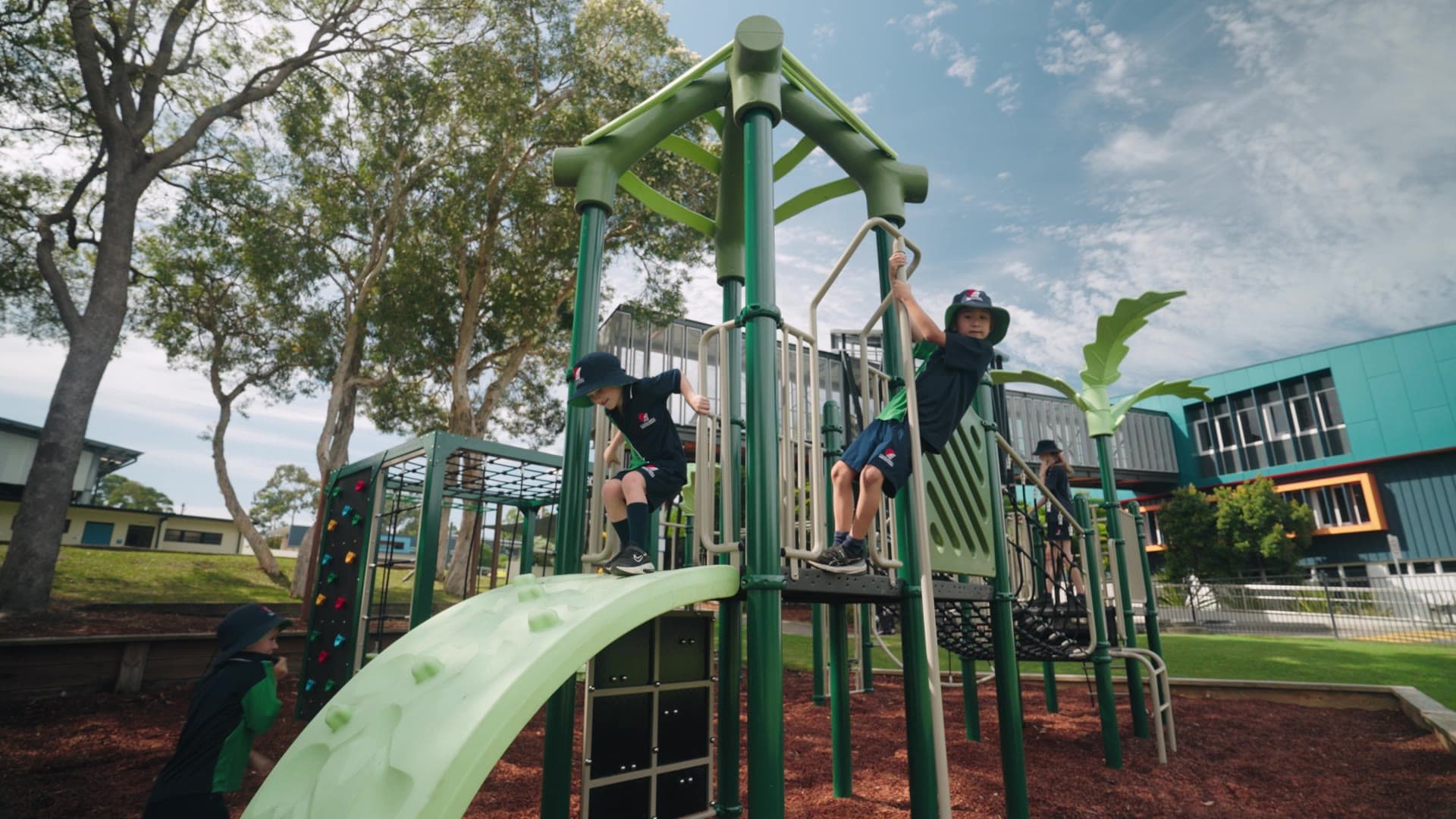
Sand and mulch are loose-fill surfaces. We use only certified playground-grade material, installed at a compacted depth of 300mm over prepared, compacted ground — no crushed-rock base needed — rated for equipment fall heights of 600mm and above under AS 4422. Because loose fill displaces with use, it's held in a defined zone with edging and topped up over time to stay compliant.
Benefits and limitations of sand & mulch surfacing
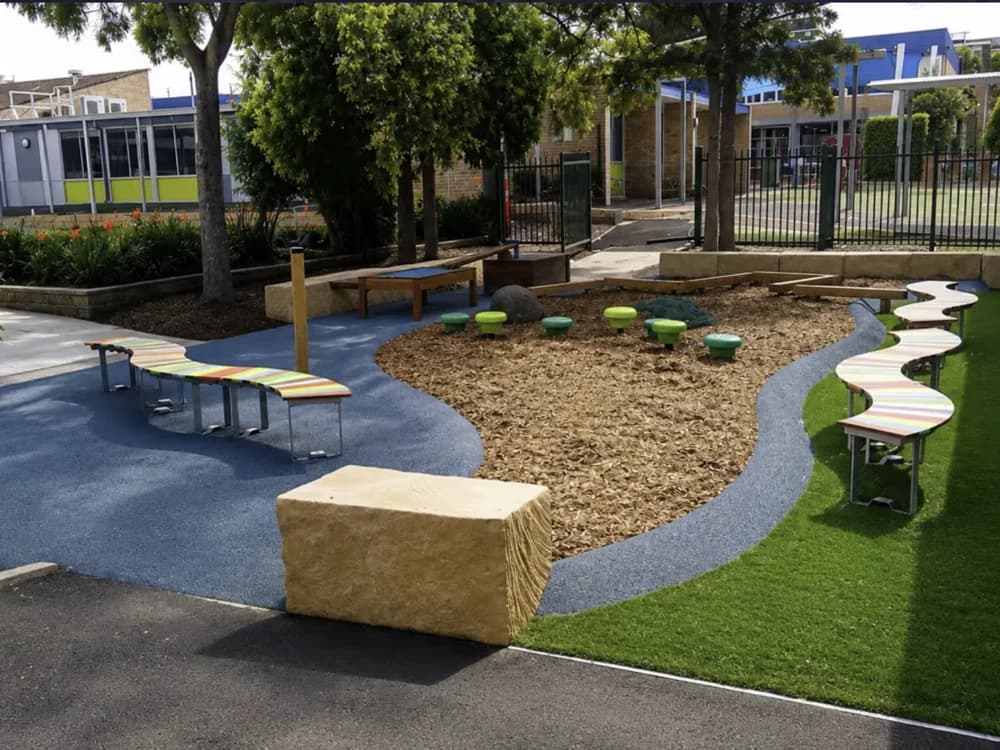
Benefits
Loose-fill sand and mulch are chosen for practical and aesthetic reasons:
- Natural appearance that blends into landscape-led and nature-based playgrounds
- Impact-absorbing when installed at the correct depth
- Supports imaginative and sensory play — especially sand
- Permeable surface that lets water drain through naturally
- Works well in large, open outdoor play areas
- The lowest-cost way to achieve compliant softfall
For projects focused on natural materials and outdoor learning, sand and mulch are a familiar, well-established solution.
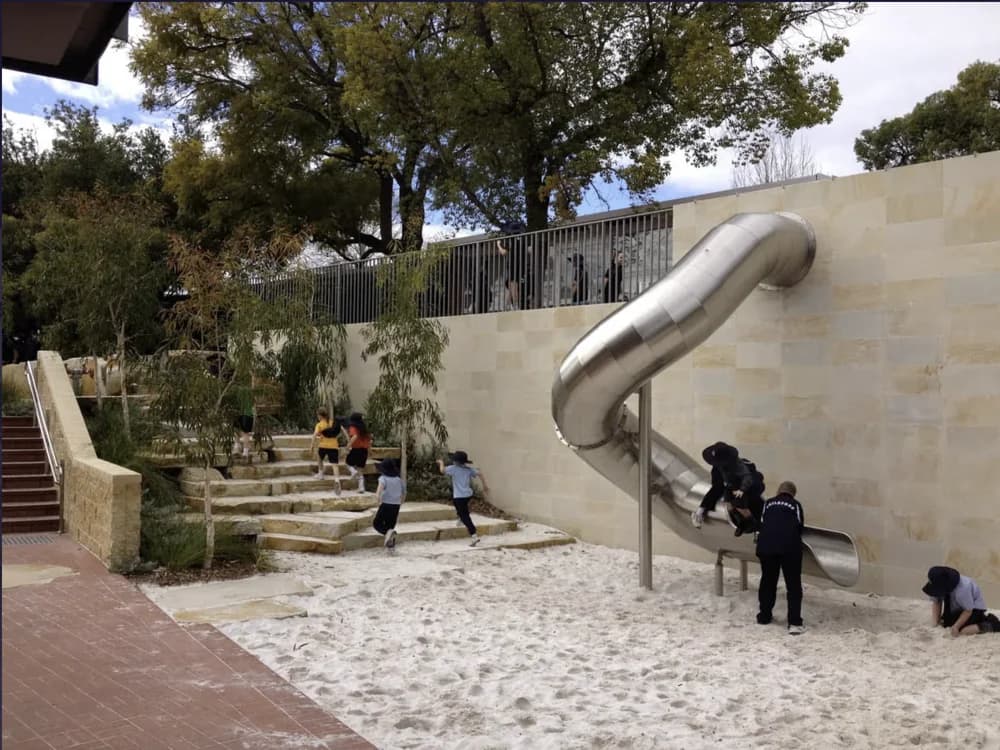
Limitations and considerations
A few things to weigh up when choosing loose fill:
- Needs regular maintenance and topping up
- Displaces and compacts with use; mulch also breaks down over time
- Can migrate outside the play area if not well contained with edging
- Limited accessibility for prams and wheelchairs
- Less suitable for high-traffic or compact urban playgrounds
These points mean loose fill is often best used selectively — as a defined zone — rather than as a site-wide surface.
Sand & mulch vs other surfaces
It's rarely either/or — on bigger sites you'll often mix surfaces across different zones. At a glance, here's how loose fill compares:
vs Wet-pour rubber
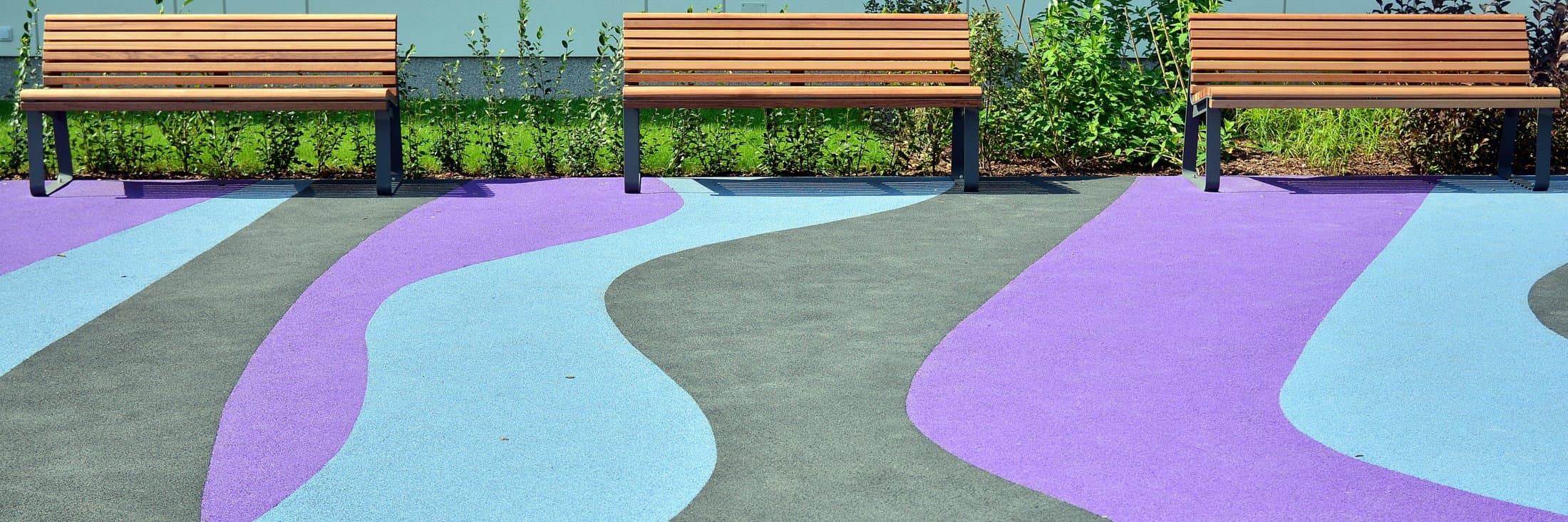
Rubber gives consistent fall protection, accessibility and low maintenance, with almost endless customisation — colours, pathways and games poured in. If you want colour or a seamless accessible surface, wet-pour is the way to go.
vs Synthetic turf
Turf is a stable, durable surface for higher-intensity use — multi-use and sports areas — where loose fill wouldn't hold up.
Where loose fill wins
Sand and mulch win on simplicity, cost and play value — sand especially is brilliant for digging and sensory play, and both give a natural finish.
The best choice comes down to how the space is used, your safety and accessibility goals, and how much maintenance you want — we'll help you pick, or mix, the right surfaces for your site.
Sand & Mulch FAQs
How deep does sand or mulch need to be?
Typically 300mm or more, compacted — the exact depth is set by your equipment's critical fall height under AS 4422. We specify the right depth as part of your design.
How often does it need topping up?
It varies with traffic and weather, but loose-fill displaces and compacts over time, so we recommend checking depth regularly — often topping up yearly — to stay compliant.
Is playground sand different from normal sand?
Yes — it needs to be a certified playground-grade sand, graded and tested for compliant impact performance, not general building or beach sand.
Is mulch or sand better for a childcare centre?
Sand is popular for sensory and early-childhood play; mulch gives a more natural, garden-like look. Many centres use both in different zones.
Other surfacing options
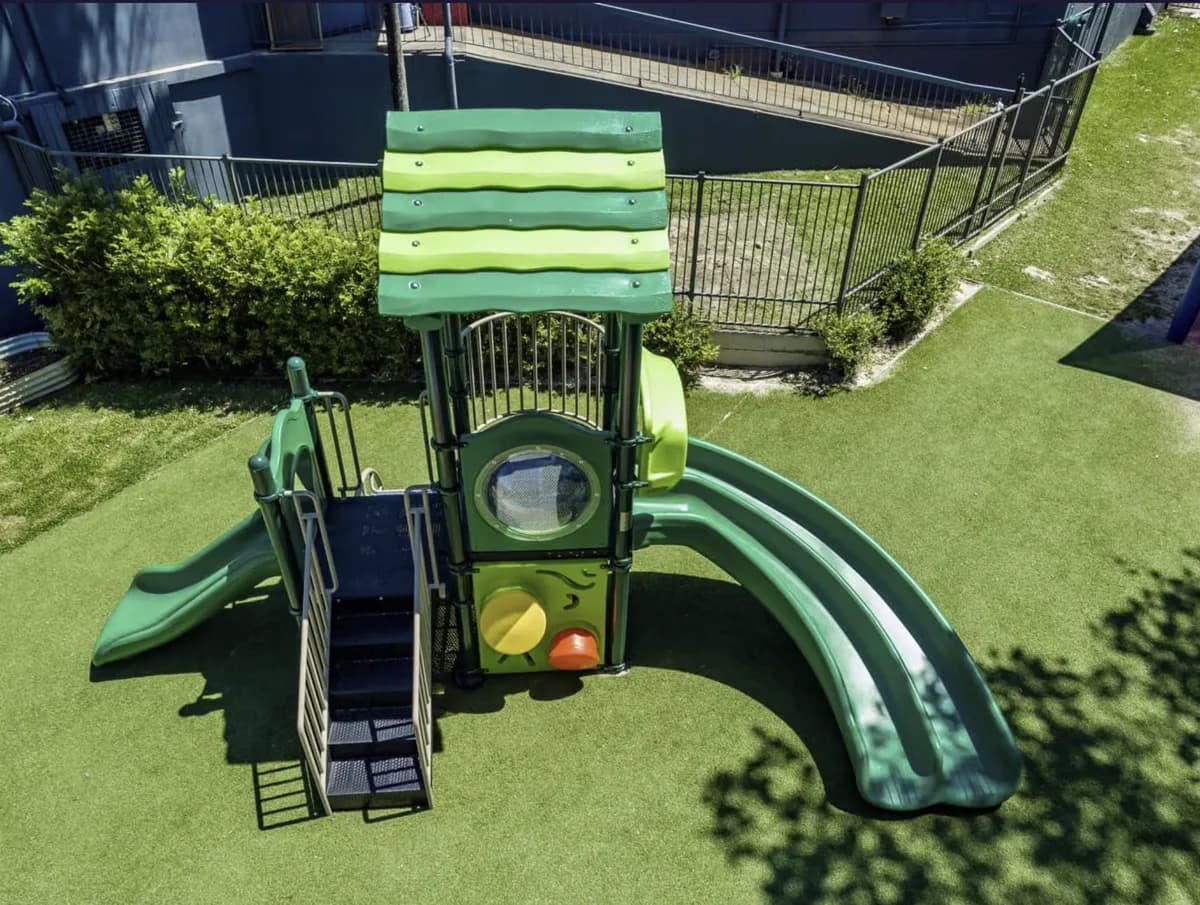
Get sand & mulch specified for your project
Fixed-price quotes, matched to your equipment's fall height and certified to AS 4422 — supplied and installed Australia-wide.