










Playground maintenance and inspection: the essential routine
A practical, AS 4685-aligned routine for keeping your commercial playground safe and compliant: daily and weekly checks, the annual inspection, and the records that prove you did them.
A playground is at its safest the day it is handed over. From then on, weather, wear and constant use do their work, so the job of keeping it safe shifts to a routine of inspections and small repairs. For schools, childcare services, councils and developers, that routine is not optional extra care, it is part of meeting your duty of care and keeping equipment certified to AS 4685. The good news is that a workable system takes very little time once it is set up. Here is the essential routine, plus the records that prove you followed it.
Why a routine matters more than a one-off check
Most playground incidents trace back to gradual problems rather than dramatic failures: a worn bolt, a loose plank, softfall that has thinned under a swing, or a gap that has opened up as timber moves. None of these announce themselves. A consistent routine catches them early, when the fix is a spanner rather than a closure. It also matters if anything ever goes wrong, because a documented inspection history shows you took reasonable, ongoing steps to manage risk.
AS 4685 and its companion standards describe three broad inspection levels, and a sensible maintenance plan covers all three: frequent routine visual checks, more detailed operational checks, and an annual comprehensive inspection by a competent person.
Daily and weekly: the routine visual check
These are the quick walk-around checks your own staff can do, no specialist training required. The aim is to spot the obvious before children arrive. In a busy school or childcare setting, a brief look each morning is reasonable; a quieter community or park space might suit a weekly walk-around.
- Clear the area of litter, broken glass, syringes, animal mess and any other foreign objects, especially in softfall and under equipment.
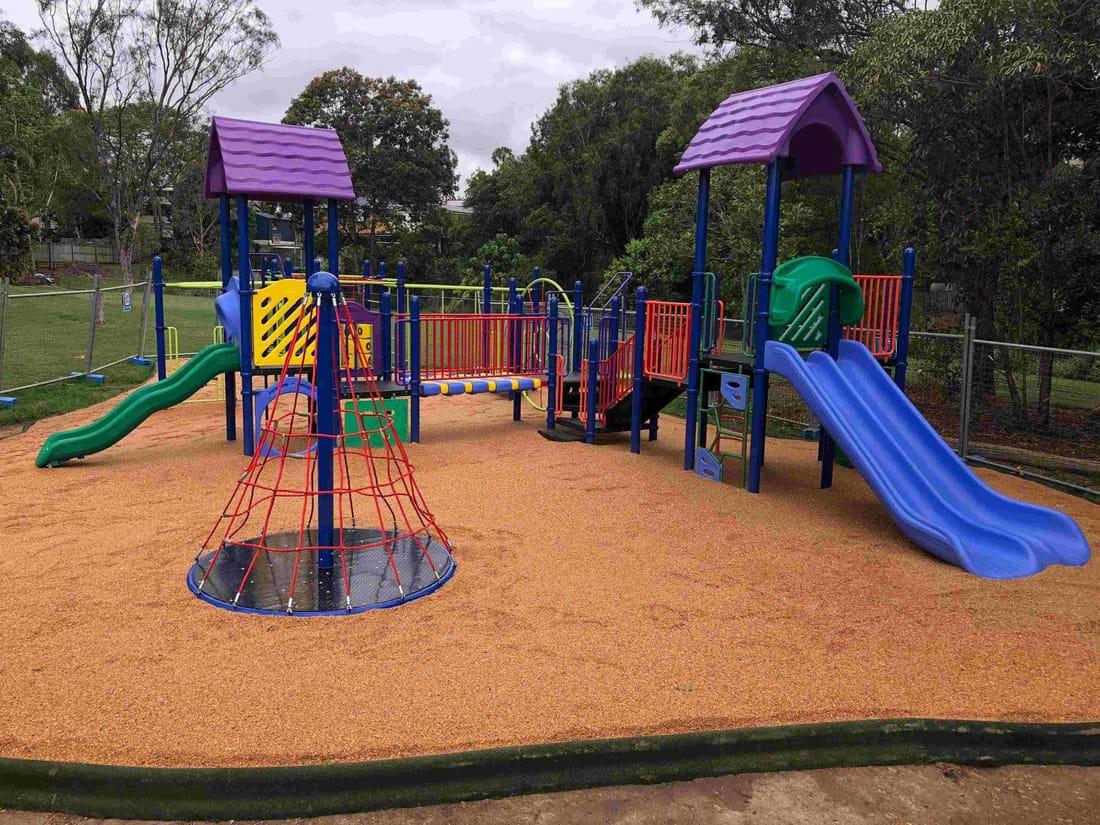
- Check the surfacing: top up and rake loose-fill softfall back to depth, and look for tears, lifting edges or worn patches in rubber or matting.
- Look for vandalism, graffiti, burn marks or evidence of fires.
- Spot obvious damage: cracked plastic, splintered timber, sharp edges, protruding bolts or broken welds.
- Test moving parts by hand, such as swing chains, fixings and gates, for excess wear or looseness.
- Confirm safety signage and any gates or fencing are present and intact.
Anything that makes equipment unsafe should be taken out of use straight away, taped off or isolated, until it is repaired. A simple rule helps: if in doubt, close it off.
The annual AS 4685 inspection
Once a year, the playground needs a comprehensive inspection by a competent person, someone formally trained to assess equipment and surfacing against the standard. This is the detailed health check your daily walk-arounds cannot replace. It typically covers structural integrity, foundations, the condition of softfall and impact-attenuating depth, entrapment and finger-trap gaps, fall heights and free space, fixings and wear, and corrosion or rot in posts and footings.
Your morning walk-around keeps the playground safe day to day; the annual inspection confirms it is still safe by the numbers.
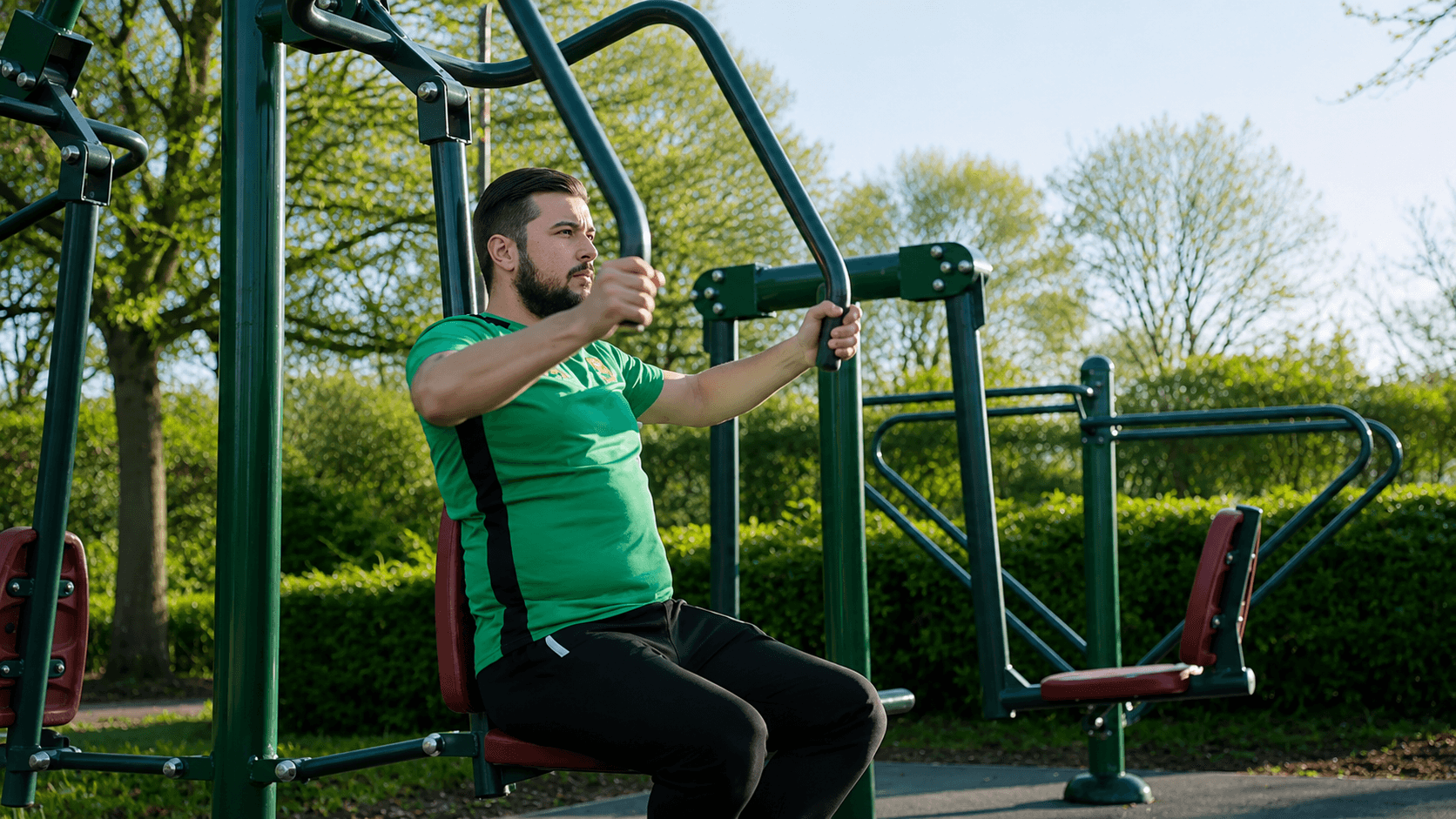
The annual inspection produces a written report listing any defects, usually ranked by priority, so you can plan repairs and budget for them. It is also the natural moment to think about ageing equipment and whether refurbishment or replacement is on the horizon, which feeds neatly into longer-term planning and any funding applications. If your site uses fitness or older-age equipment, the same principles apply across your fitness and equipment ranges.
Keep the records, and keep them findable
Inspections only protect you if you can show they happened. A straightforward logbook, paper or digital, turns good intentions into evidence.
- Date, inspector name and inspection type for every check, routine or annual.
- Defects found, the action taken, and the date it was closed out.
- Any temporary closures and when equipment returned to service.
- The original handover certification and installer documentation.
- Warranty details and the manufacturer's maintenance recommendations.
Hold onto your as-built and certification paperwork too. It tells future inspectors and contractors exactly what the equipment is and how it was installed, and it is often what a warranty claim hinges on. For more on the standards themselves, our compliance overview sets out what AS 4685 and AS 4422 actually require.
Where Kidzspace fits in
Every Kidzspace playground is built to AS 4685 with softfall to AS 4422 and independently certified at handover, so you start with a clean, documented baseline. We can talk you through a maintenance schedule suited to your site, advise on surfacing upkeep, and help when worn or dated equipment is due for refurbishment or replacement. If you would like a hand setting up a routine, planning a refresh, or getting a fixed-price, itemised quote, get in touch via our contact page or call 1300 543 977, and our team will point you in the right direction.
Planning a playground?
Tell us about your site and we'll design something your community will love.


