






Fall height and fall zones explained (and why they matter)
Free height of fall, impact area and surfacing depth are the numbers that keep a playground safe and compliant. Here is what they mean and how they shape your design and budget.
Two of the most important numbers on any playground design never appear on the slide or the climbing frame. They sit underneath and around the equipment: the free height of fall and the fall zone. Get them right and you have a playground that passes its independent inspection and stands up to years of use. Get them wrong and you have a compliance problem, a safety risk, and often an expensive retrofit. Here is what these terms actually mean and why they matter so much for schools, childcare centres, councils and developers.
What free height of fall means
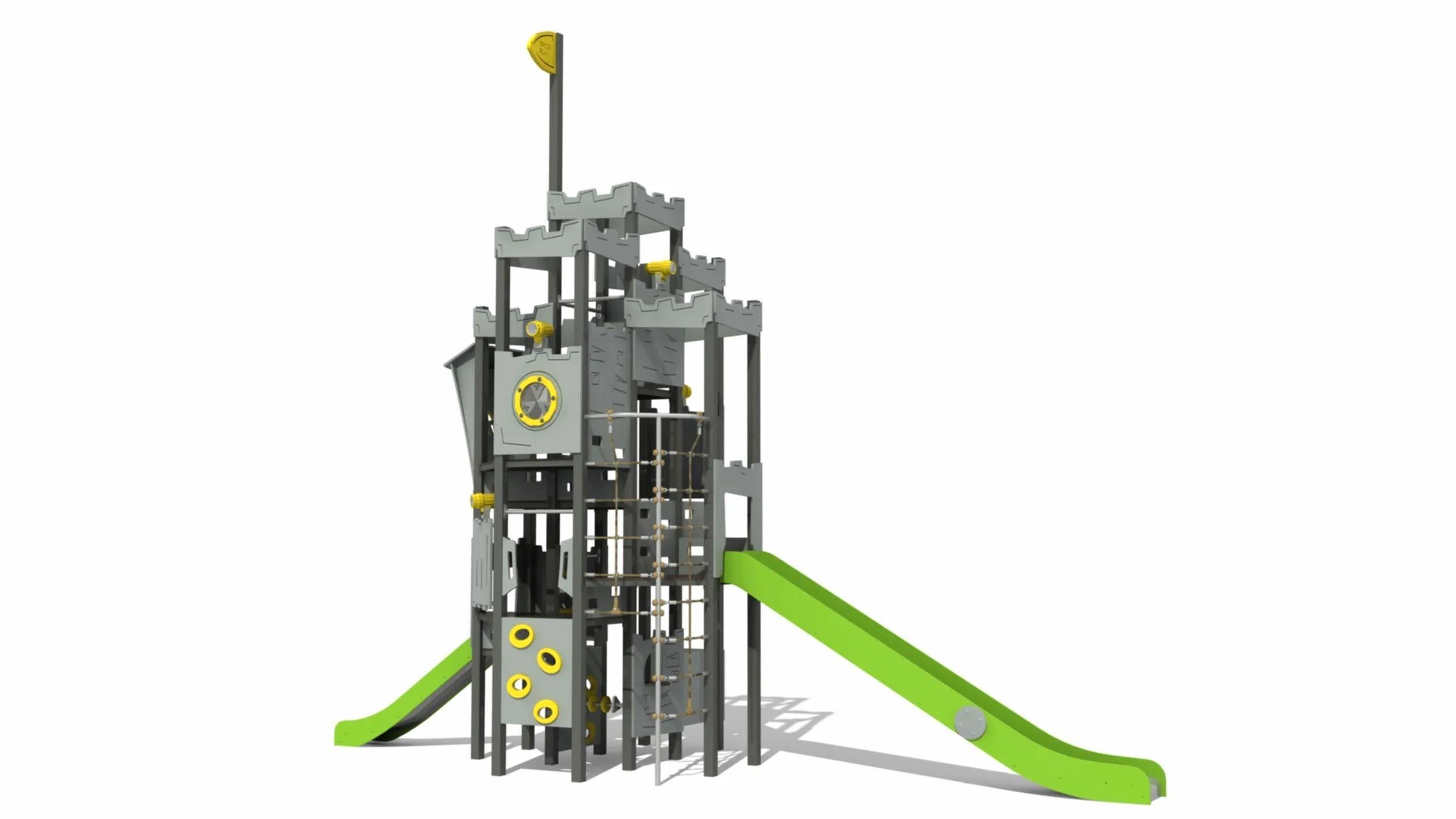
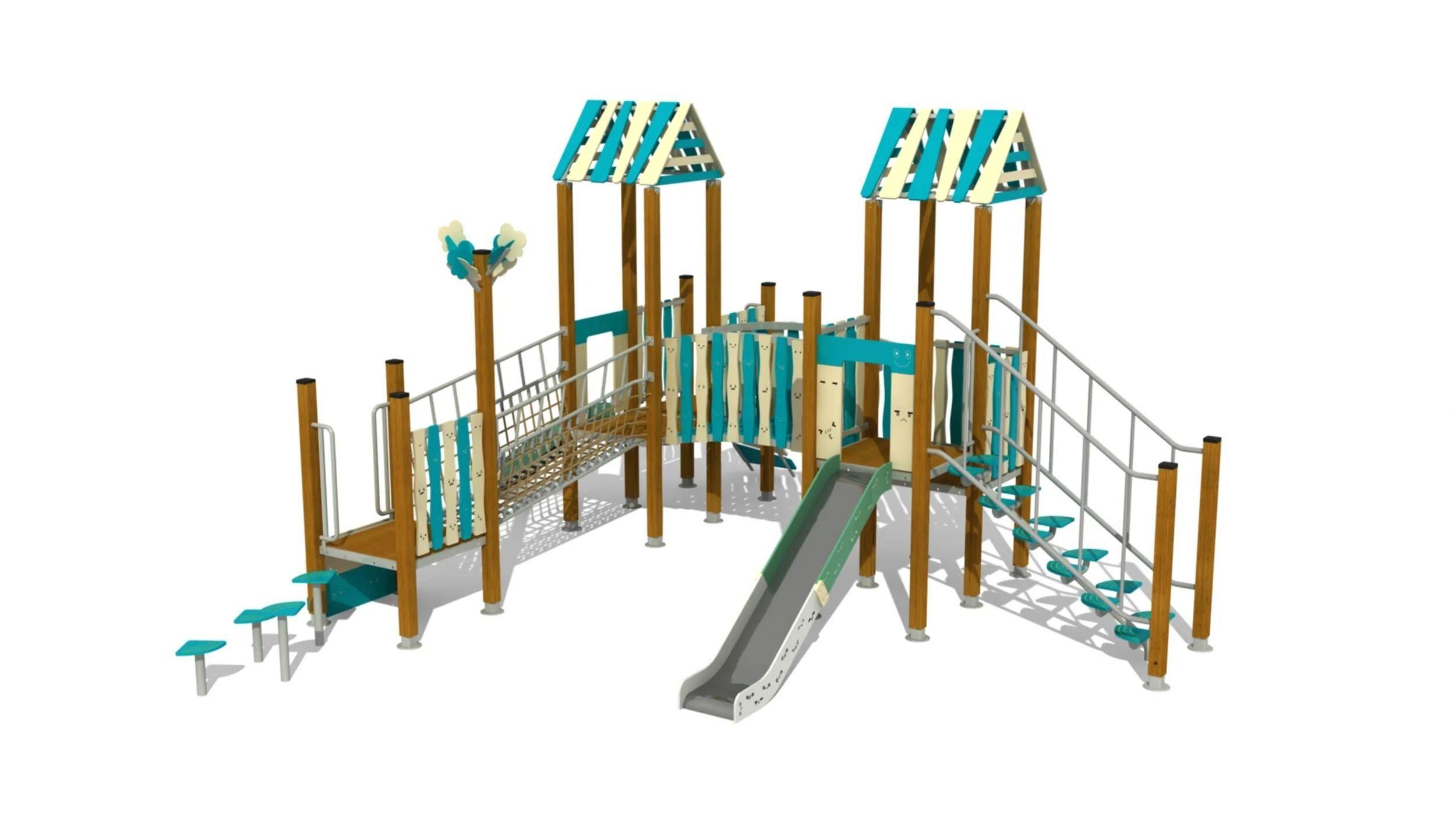
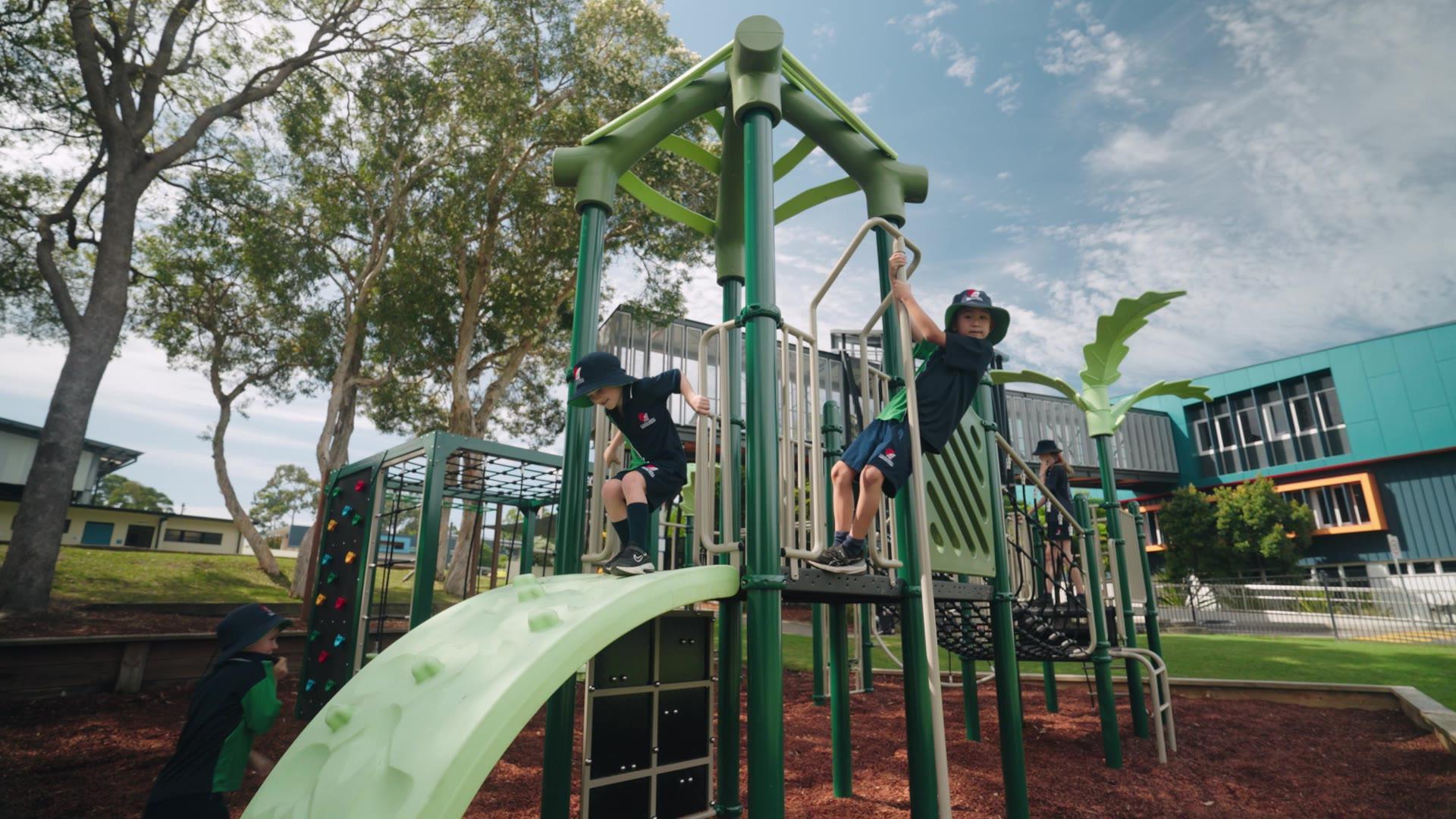
The free height of fall is the greatest vertical distance from a clearly intended body support, such as a platform, a seat or a grip a child stands or sits on, down to the surface below. It is not the total height of the structure. A tall tower with a low deck can have a modest fall height, while a simple platform can have a surprisingly high one.
Under AS 4685, free height of fall drives almost everything else about the safety zone beneath equipment. It determines how much impact-absorbing surfacing you need and how far that surfacing must extend. That is why our designers calculate it for every component during the free 2D and 3D concept stage, not after the equipment is already in the ground.
What a fall zone (impact area) is
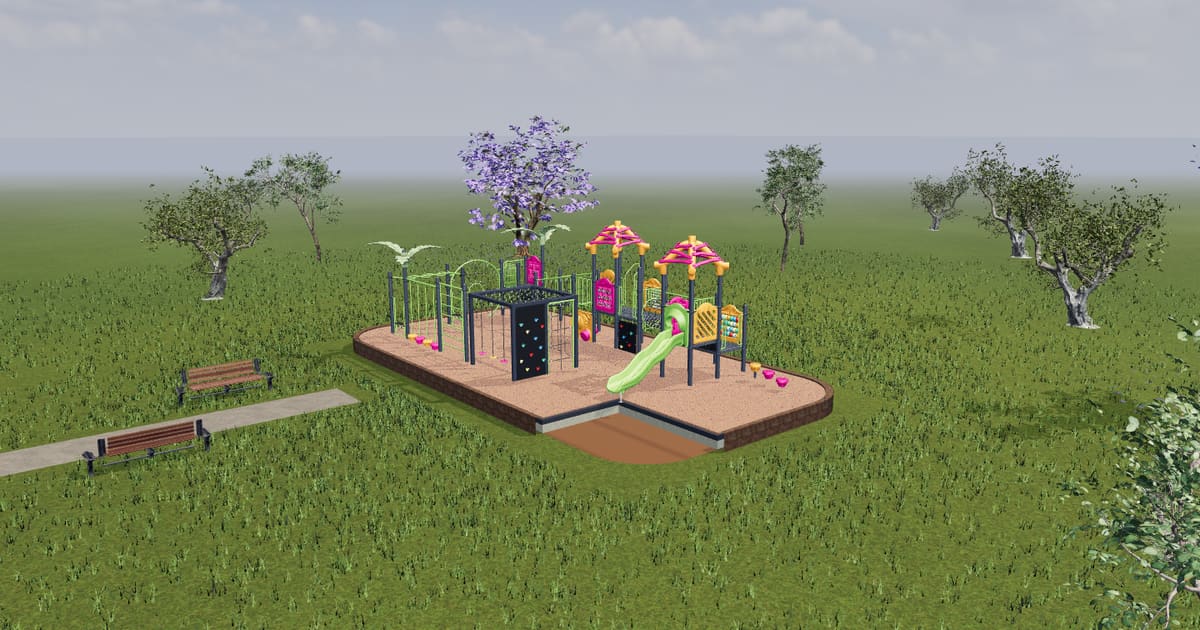
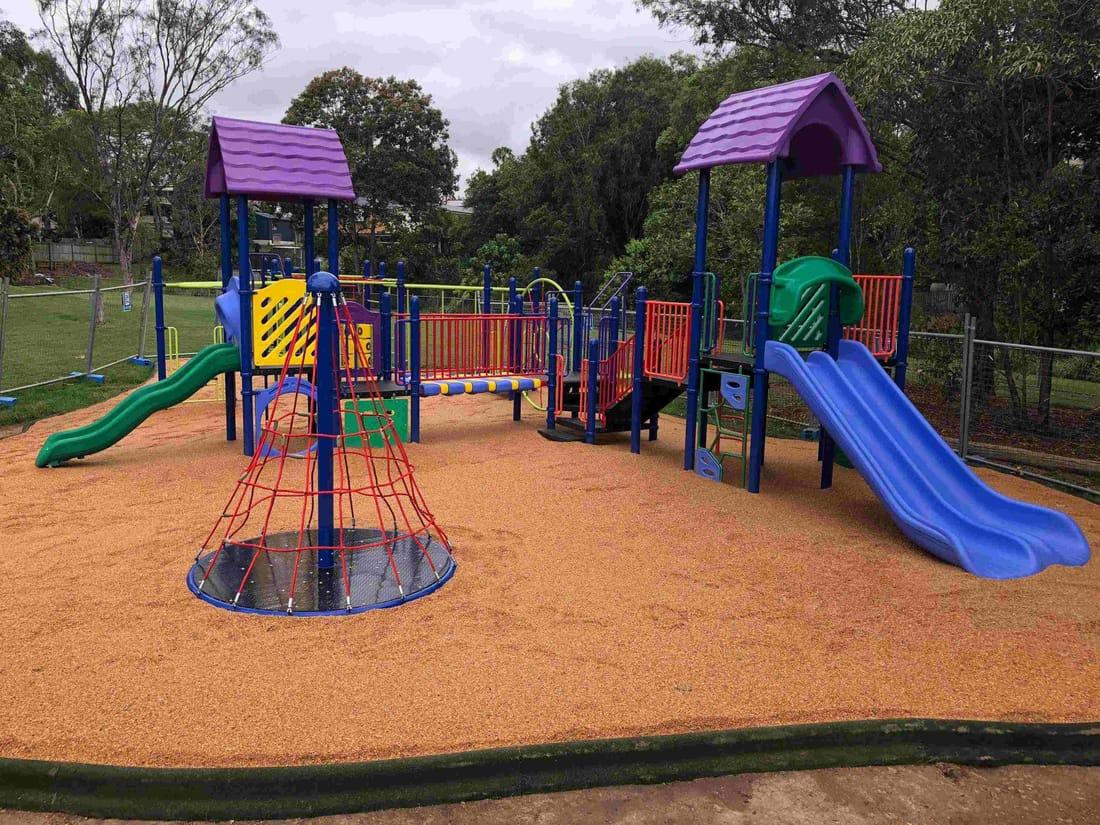
The fall zone, also called the impact area, is the space around and beneath equipment where a child could reasonably land after a fall or after leaving the equipment in motion. It must be kept clear of obstructions and finished with appropriate surfacing. The higher the free height of fall, the larger this zone generally needs to be.
A few practical points buyers often miss:
- Fall zones for adjacent items can overlap, but there are rules about how close moving and static equipment can sit, so spacing matters from the very first layout sketch.
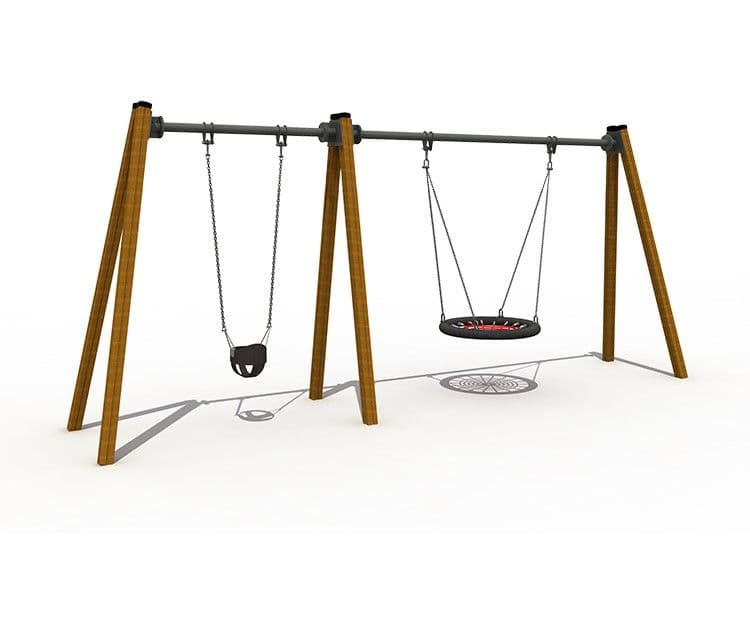
- Swings and other moving equipment need extra clearance in the direction of travel, which is why they often dominate a site plan.
- Obstructions like fences, edging, tree roots, garden beds, seating and bins must sit outside the impact area or be designed around.
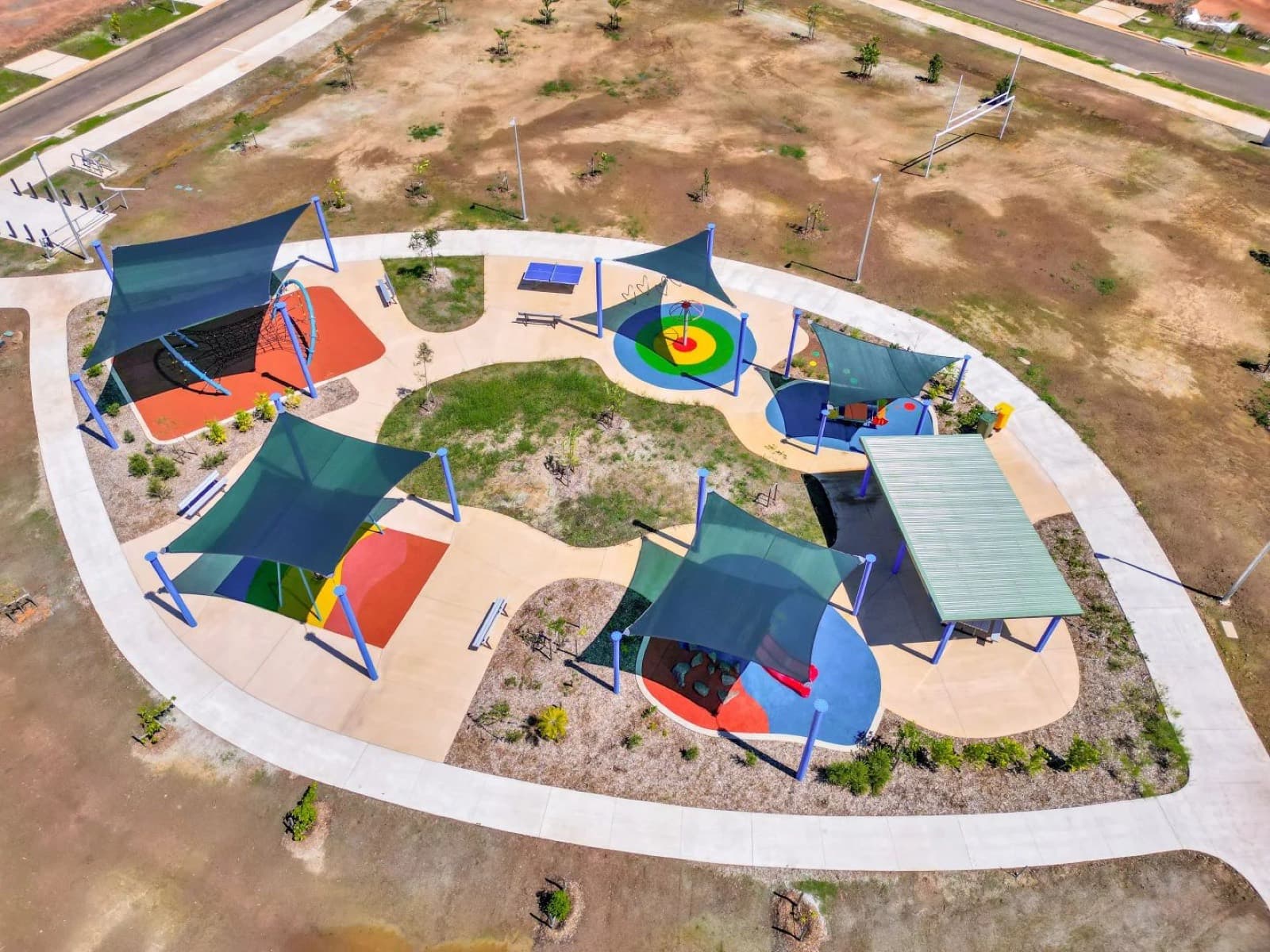
- On a tight or oddly shaped site, fall zones often decide how much play value you can actually fit, not the equipment catalogue.
HIC and how surfacing is tested
Surfacing is not judged by how soft it feels underfoot. It is judged by HIC, the Head Injury Criterion. In simple terms, surfacing is impact-tested by dropping a headform from the relevant height, and the measured result must stay within accepted limits for that fall height. This is the science behind why a surface that looks fine can still fail.
In Australia, playground softfall is specified and tested to AS 4422, while the equipment itself is certified to AS 4685. The two standards work together: the surfacing has to be capable of protecting against the specific free height of fall of the equipment above it. You can read more in our plain-English guide to softfall surfacing and our overview of playground compliance.
The surface is rated for a fall height. If the equipment can drop a child further than the surface is tested for, it does not comply, no matter how thick it looks.
Why surfacing depth and type matter
Different surfaces achieve their rated protection in different ways, and depth is critical. Loose-fill materials such as certified wood softfall or rubber mulch rely on a minimum installed depth to perform, and that depth must be maintained as the material compacts and displaces over time. Wet-pour rubber and synthetic options are built up in tested thicknesses to suit the fall height.
- Loose-fill softfall is cost-effective and forgiving, but needs top-ups and raking to keep its rated depth, especially under swings and slide exits.
- Wet-pour rubber gives a firm, accessible, low-maintenance surface and supports inclusive access, at a higher upfront cost.
- Synthetic grass with a shock pad and bonded rubber are popular middle options for many schools and parks.
- Whatever the choice, the rated fall height of the surface must meet or exceed the free height of fall above it.
Surfacing choice has a real budget impact, so it is worth understanding early. Our cost guide explains the trade-offs, and these decisions often interact with council approval and available funding.
How Kidzspace builds this in from day one
Because fall height and fall zones shape the whole layout, we design them in from the first concept rather than bolting safety on at the end. Every Kidzspace project is engineered to AS 4685 for equipment and AS 4422 for surfacing, and is independently certified at handover, so you receive documented proof of compliance rather than a verbal assurance. Our fixed-price, itemised quotes spell out the surfacing depth and type, so there are no surprises when the inspector arrives. We have delivered more than 1,000 projects Australia-wide since 2015 across schools, childcare, councils and parks.
If you are planning a new playground or upgrading an existing one and want the fall heights, impact areas and surfacing sorted properly from the start, we are happy to help. Get in touch for a free concept design and a fixed-price quote on our contact page, or call us on 1300 543 977.
Planning a playground?
Tell us about your site and we'll design something your community will love.

