
Play system vs freestanding equipment: which should you choose?
A plain-English guide to choosing between a connected play system and standalone freestanding pieces for your school, childcare centre, council park or community space, and when combining the two works best.
One of the first decisions in any playground project is whether to install a single connected play system or a set of freestanding pieces. Both can deliver a brilliant outcome, but they suit different sites, budgets and goals. This guide walks through the practical differences so you can choose with confidence, whether you are a school, childcare centre, council, developer or community group.
What each option actually means
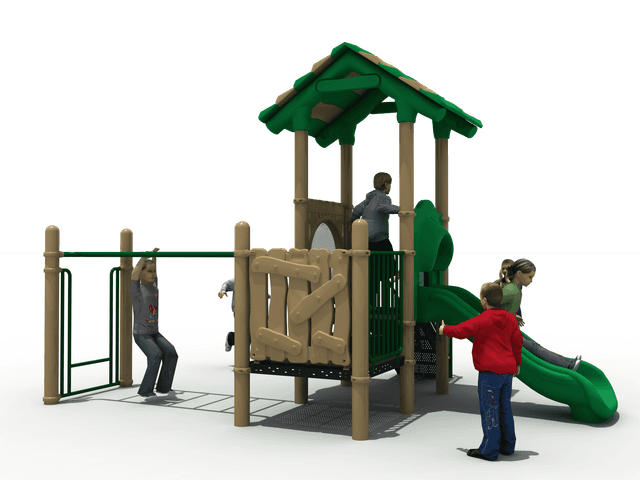
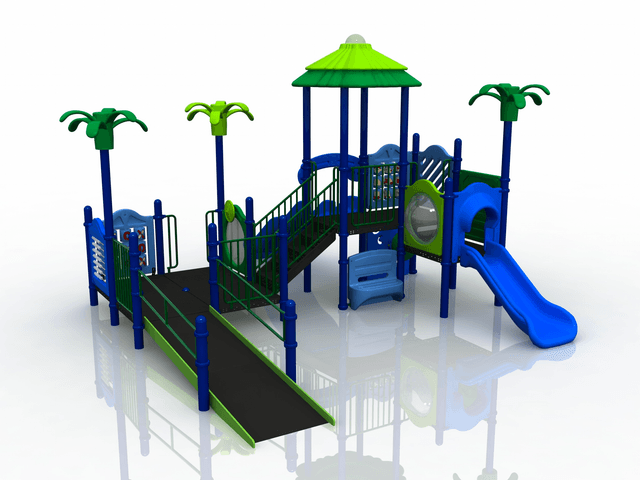
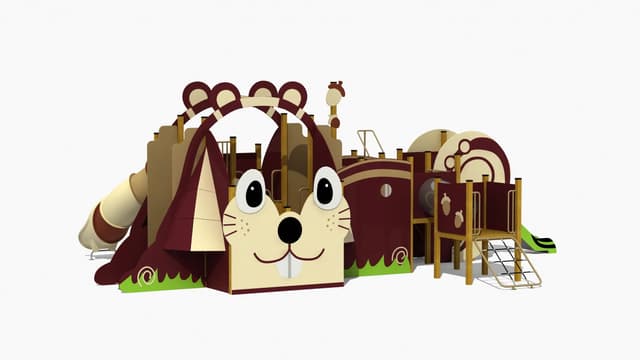
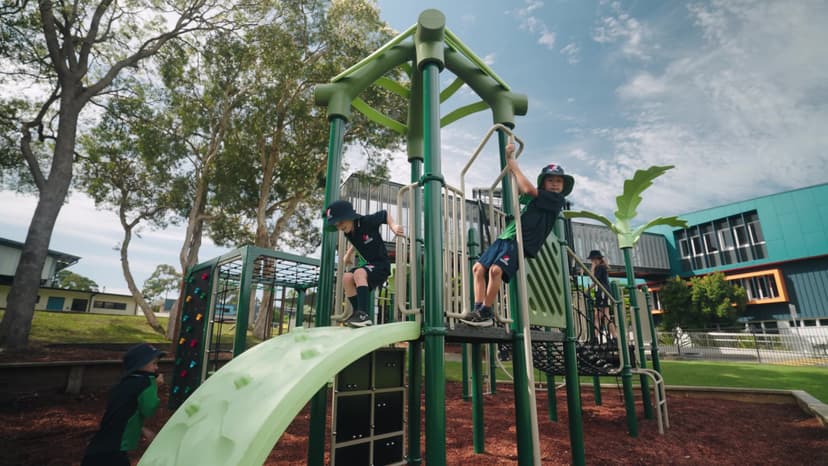
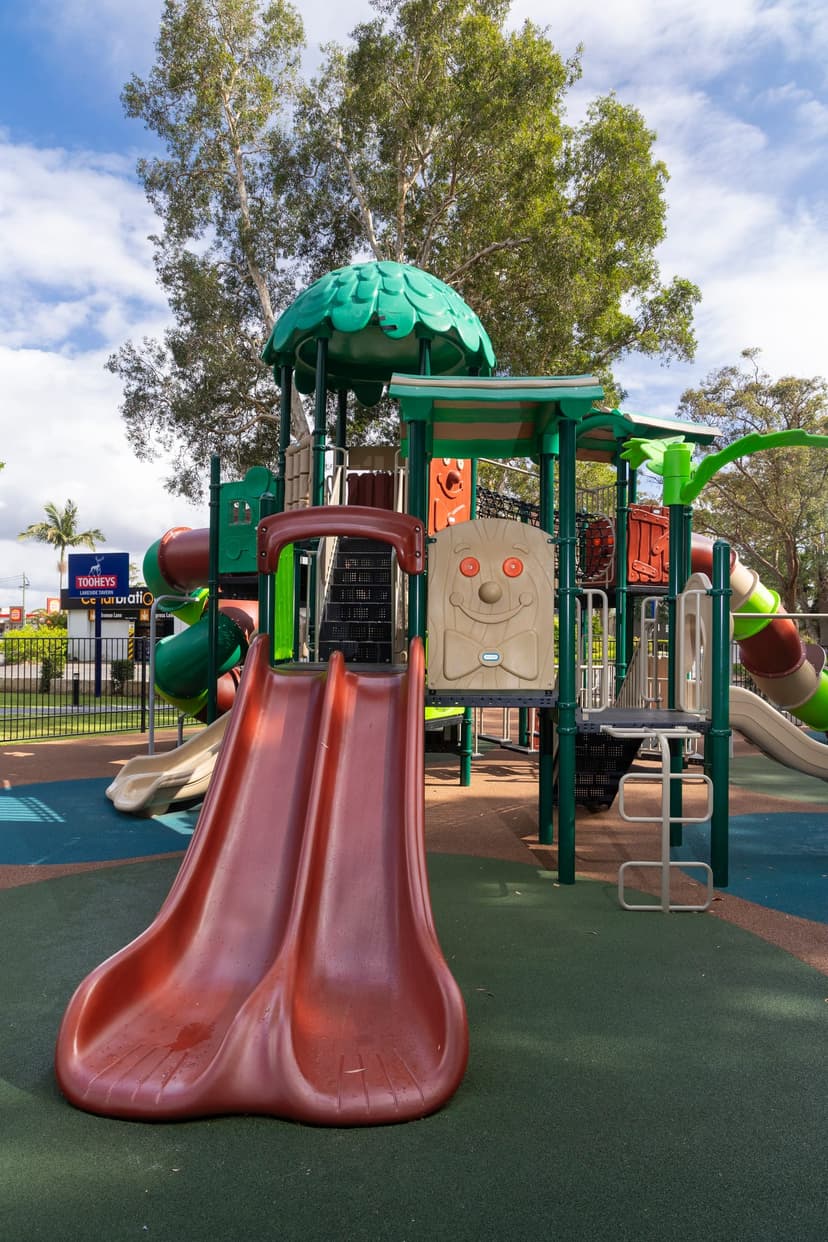
A play system (sometimes called a multi-play or combination unit) is a single connected structure that links several activities together. Think towers, decks, bridges, slides and climbers joined by a shared frame, so children move through a continuous play journey.
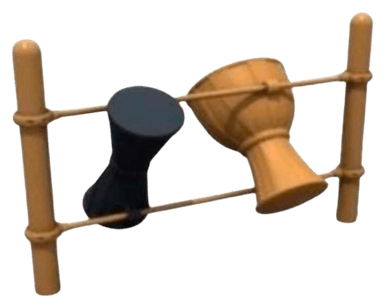
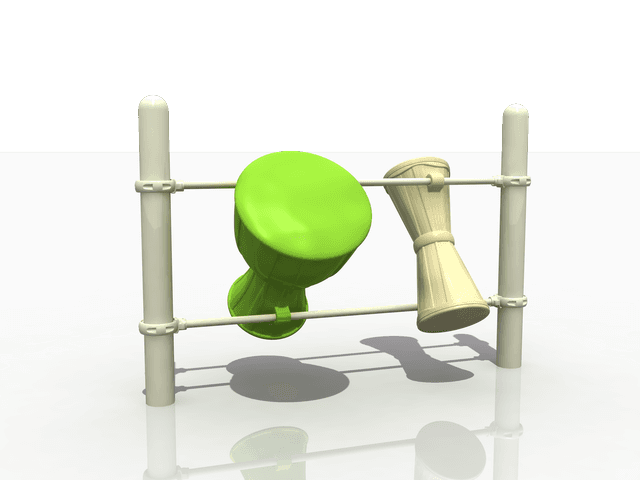
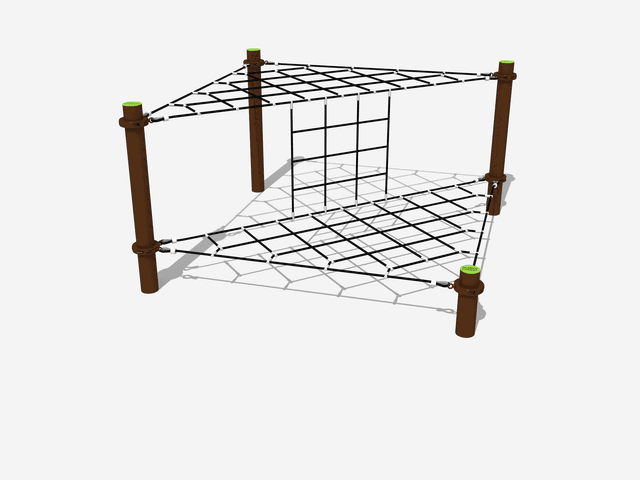
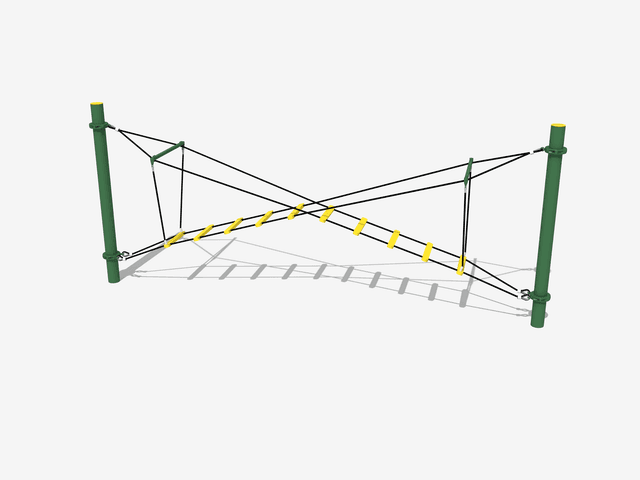
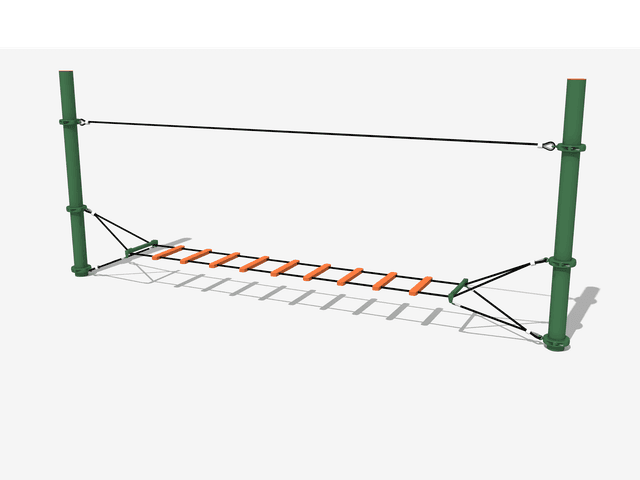
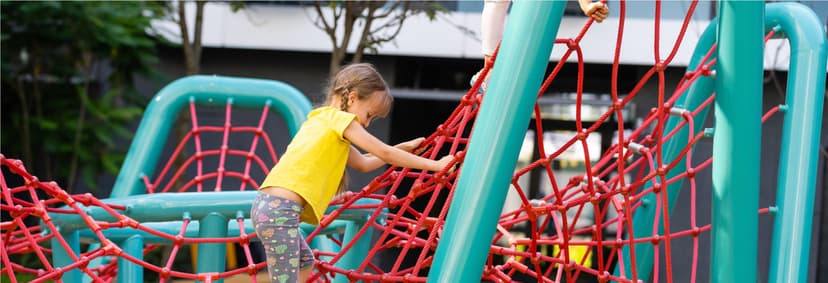
Freestanding equipment is individual pieces installed as standalone items, such as a swing set, a standalone slide, a spinner, springers, a climbing net or a balance trail. Each piece sits on its own and can be arranged however the space allows.
You can explore both across our playground equipment range and our play systems, and there is no rule that says you must pick only one.
Space: how your site shapes the choice
Site shape and size often make the decision for you. A compact courtyard or a long, narrow strip can favour different approaches than a wide open field.
- Play systems concentrate a lot of activities into a single footprint, which suits sites where you want maximum play value in a defined area.
- Freestanding pieces let you spread play across a larger space, work around trees and paths, and create distinct zones for different ages.
- Remember that every item needs a clear fall zone around it. Several freestanding pieces spaced apart can need more total softfall than one combined unit.
- Sightlines matter for supervision. Spreading equipment out can be great for flow but should still keep children visible to staff and carers.
Surfacing is a real cost and safety factor in either case, so it is worth reading our guide to softfall and surfacing early in your planning.
Cost: where the dollars go
There is no single right answer on price because it depends on the activities you want and the surfacing required. As a general guide, a play system tends to give you more activities per dollar of installation because everything shares one structure and one fall zone. Freestanding pieces give you flexibility to start small and add over time, which can suit a staged budget or a grant timeline.
- Play systems: strong play value for the footprint, fewer separate fall zones, one coordinated install.
- Freestanding: easier to phase, easier to swap or relocate later, simple to match to a specific need like a single accessible spinner.
For a realistic picture of what drives the total figure, see our cost guide, and if you are working to a grant deadline our funding resource is a useful companion. Every Kidzspace quote is fixed-price and itemised, so you can see exactly what each element costs.
Play value: variety, challenge and inclusion
Good play value is about offering a range of experiences: climbing, sliding, swinging, balancing, spinning, imaginative and social play. Both options can deliver this well when designed thoughtfully.
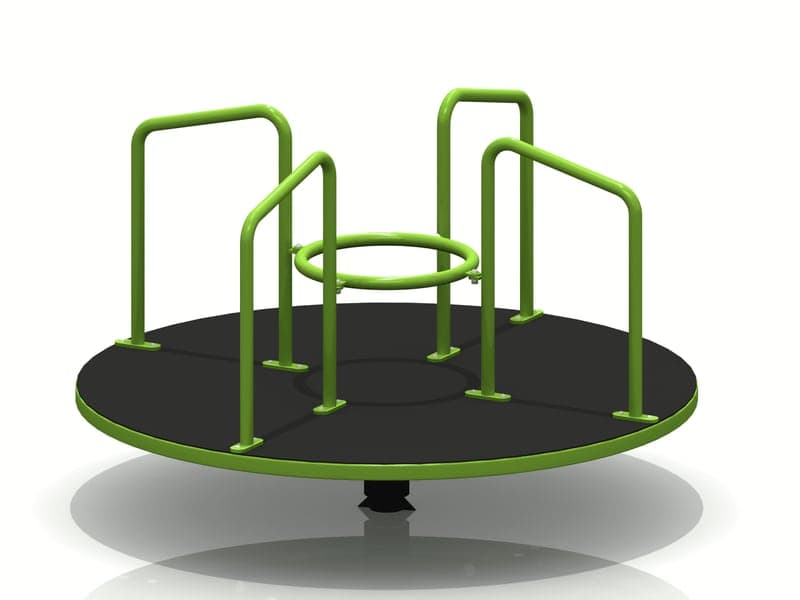
Play systems shine at linked, sequential play where children flow from one activity to the next without touching the ground, which is great for younger children building confidence. Freestanding pieces shine when you want to target specific play types or age groups, or add a standout item like a large net climber or an inclusive carousel. Inclusion should run through either choice from the start, with at-ground activities and accessible routes considered up front rather than added later.
The best playgrounds rarely come down to one or the other. They come down to the right mix for the children who will actually use the space.
When to combine the two
In practice, many of the most successful projects we deliver pair a central play system with a handful of freestanding pieces. This gives you the dense, connected play of a system plus the flexibility to fill gaps and serve specific needs.
- A junior play system for the early years, with freestanding swings and a spinner alongside for shared, social play.
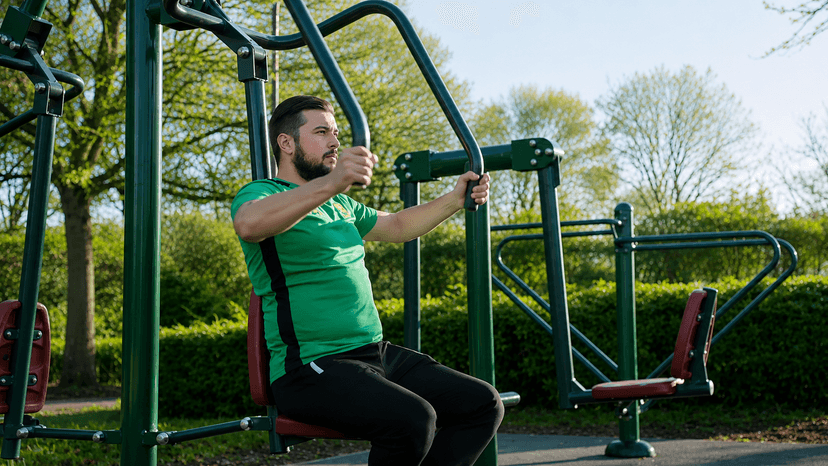
- A senior play system paired with a freestanding fitness or active fitness station for older students or teens.
- A council or community park with a feature play system as the anchor and freestanding pieces creating quieter zones across the reserve.
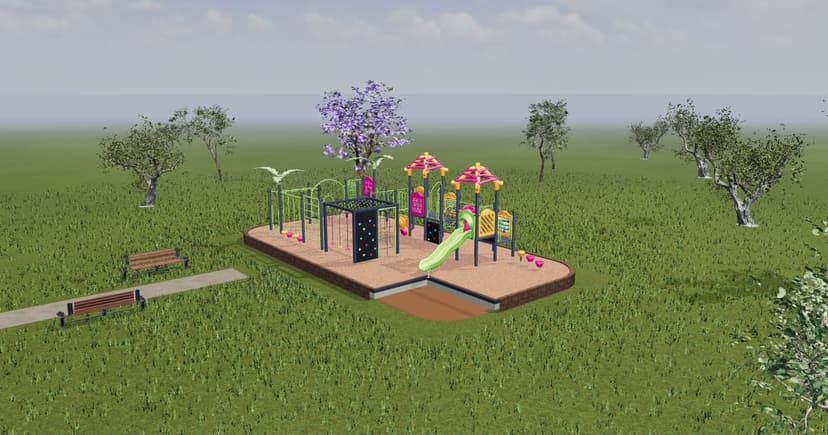
Whichever direction suits you, our free 2D and 3D concept design service maps the options onto your actual site so you can compare them properly. We also handle council approval and compliance considerations, with equipment certified to AS 4685, softfall to AS 4422, and independent certification at handover.
Talk it through with us
There is no universal right answer between a play system and freestanding equipment, only the right answer for your site, your budget and the children who will use it. The Kidzspace team has delivered more than a thousand projects across Australia, and we are happy to walk you through the trade-offs with no obligation. Request a free concept and fixed-price quote via our contact page, or call us on 1300 543 977.
Planning a playground?
Tell us about your site and we'll design something your community will love.