
Inclusive & all-abilities playground design: a practical guide

A plain-English guide to designing inclusive, all-abilities playgrounds in Australia, covering universal design, accessible surfacing, sensory and social play, and AS 1428 access.
An inclusive playground is one where children of all abilities can play alongside each other, not in a separate fenced-off corner. That sounds simple, but getting it right takes thought: how a child reaches the equipment, what surface they roll or walk across, whether there is somewhere quiet to step back from the noise, and whether the play itself can be shared. This guide walks through the practical decisions Australian schools, childcare centres, councils and developers face when they want a space that genuinely works for everyone.
Start with universal design, not a bolt-on ramp
Inclusive design is strongest when it is baked in from the first concept sketch rather than added at the end. Universal design means the same play space works for as many children as possible without special adaptation. A child using a wheelchair, a child with autism, a grandparent supervising and a toddler finding their feet should all be able to move through and use the space.
In practice that means ground-level play that everyone can reach, generous circulation paths, and a mix of activities at different heights and intensities. Our free 2D and 3D concept design stage is where these choices get made, so it is worth raising inclusion goals early.
Accessible surfacing is the foundation
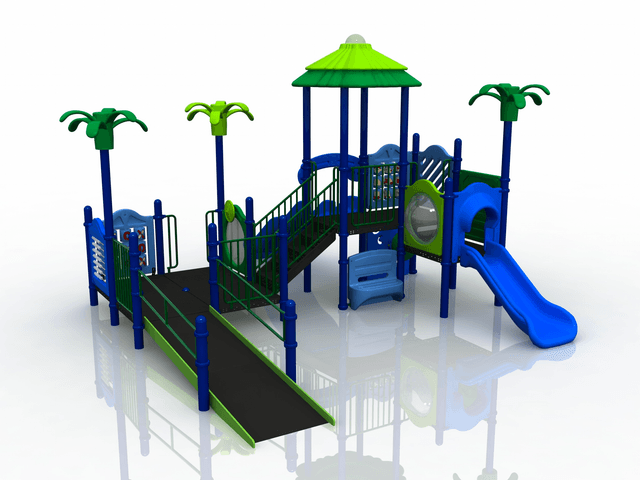
Surfacing decides who can actually get to the equipment. Loose materials like bark and sand are difficult or impossible for wheels and walking aids, so an accessible design usually relies on a firm, continuous surface for the main travel paths and key play points.
- Rubber wet-pour and bonded rubber give a smooth, firm, wheelchair-friendly surface that also meets impact requirements under AS 4422.
- Synthetic turf with an impact pad underneath offers a softer look while staying accessible.
- Plan an accessible path of travel from the car park or gate right up to the equipment, not just under it.
- Keep transitions between surfaces flush so wheels and small feet do not catch.
There are real trade-offs in cost, feel and maintenance between these options. Our surfacing guide explains how each performs, and the cost guide shows where surfacing sits in an overall budget.
Design for sensory and social play
Inclusion is about more than physical access. Children experience play through their senses and through each other, and a well-designed space supports both.
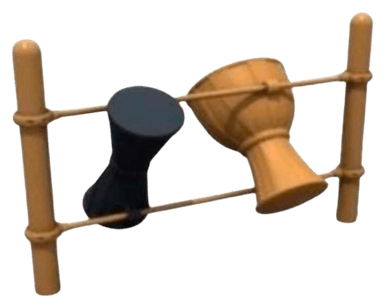
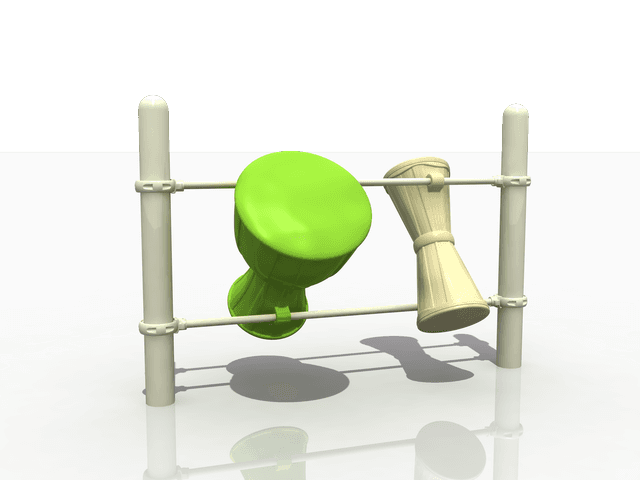
- Sensory elements such as musical panels, tactile surfaces, water and sand play, and gentle motion suit children who engage through sound, touch and movement.
- A quiet retreat space, like a shaded nook or cubby, lets a child who is overstimulated regulate and return when ready.
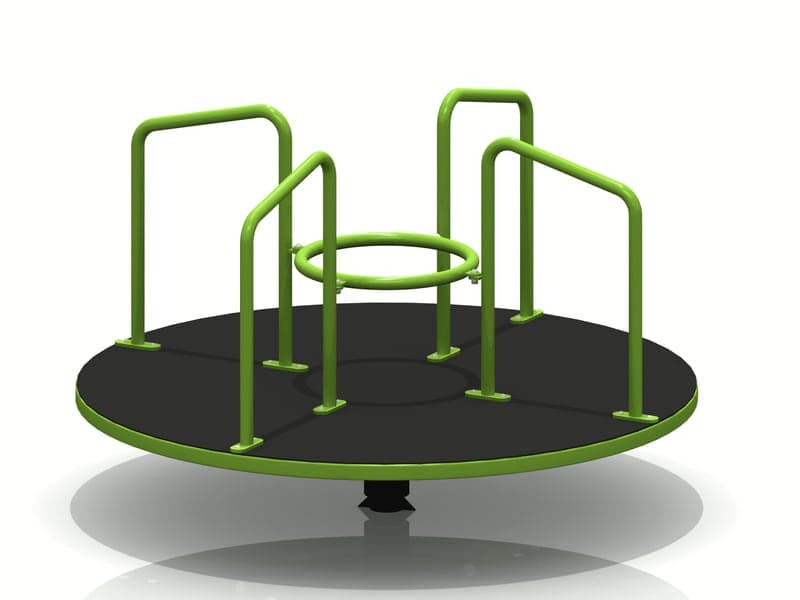
- Shared-play equipment, such as group swings, wide slides and basket swings, lets children of different abilities play together rather than side by side.
- Clear sightlines and predictable layouts help children who find busy or unpredictable spaces difficult.
The best measure of an inclusive playground is simple: can children of different abilities play the same game, in the same place, at the same time?
Know the standards: AS 1428, AS 4685 and AS 4422
Australian playgrounds sit across a few key standards, and inclusive projects touch all of them. AS 1428 covers access and mobility, including path widths, gradients and circulation space. AS 4685 covers playground equipment safety, and AS 4422 covers softfall surfacing under fall zones.
Meeting access requirements is not just good practice, it often forms part of council approval and funding conditions. We build to AS 4685 and AS 4422 and have every project independently certified at handover, so you have documented proof the space is compliant. See our compliance overview and notes on council approval for how this fits the wider process.
Funding and getting the brief right
All-abilities upgrades are exactly the kind of project that grants are written for, whether you are a school, a council or a community group. A clear, itemised quote makes a stronger application and avoids surprises later. Our funding guide points to common grant pathways, and a fixed-price quote gives you the documented numbers most applications ask for.
The most successful inclusive playgrounds we deliver start with an honest brief: who is using the space, what abilities you want to design for, and the constraints of your site. Get that down on paper and the design will follow.
Talk to us about your inclusive playground
Kidzspace Playgrounds has delivered more than 1,000 projects across Australia, and inclusive by design is how we work, not an optional extra. If you are planning an all-abilities space, the easiest next step is a free, itemised concept and quote so you can see the layout, surfacing and budget before committing. Get in touch for a free quote or call us on 1300 543 977, and we will help you build a playground where every child belongs.
Planning a playground?
Tell us about your site and we'll design something your community will love.

