
What is AS 4685? Australia's playground safety standards in plain English

AS 4685 is the Australian Standard for playground equipment safety. Here is what it actually covers, how fall height and entrapment work, and why independent certification matters at handover.
If you are planning a playground for a school, childcare centre, council park or new development, one acronym comes up again and again: AS 4685. It sounds like dry technical jargon, and the full standard certainly is. But the ideas behind it are sensible and easy to understand once someone explains them in plain English. This guide walks through what AS 4685 covers, how the big concepts like fall height and entrapment work, and why independent certification at handover is the bit that actually protects you.
What AS 4685 actually is
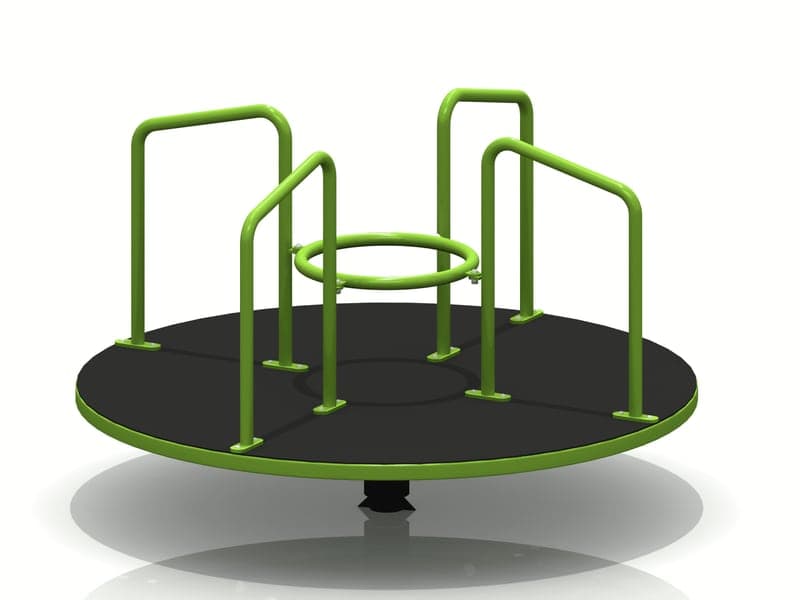
AS 4685 is the Australian Standard for playground equipment and surfacing. It is a multi-part document that sets out how equipment must be designed, built, installed and tested so that children can play with normal, manageable risk rather than hidden hazards. It deals with the structure itself: swings, slides, climbing frames, spinners and the rest, including the materials, the way parts join together, and the spaces a child can reach or fall into.
It works alongside a separate surfacing standard, AS 4422, which governs the softfall under and around equipment. The two are designed to be read together, because a slide is only as safe as what is underneath it. If you want a closer look at surfacing options, our surfacing guide breaks down rubber, mulch and synthetic grass.
Fall height and impact: the single most important idea
Children climb, and sometimes they fall. AS 4685 accepts this and manages it rather than pretending it away. Every piece of equipment has a free height of fall, which is the maximum height a child can reasonably fall from a supported position to the surface below. That number is not academic. It directly determines how deep and what type of softfall you need underneath.
This is why a higher tower costs more than the equipment alone suggests: a taller fall height means a larger impact-attenuating area and deeper surfacing. The standard sets a maximum free height of fall, and the surfacing has to be tested to absorb an impact from that height. Getting this combination right is one of the most common things we correct on inspections of older or self-installed playgrounds.
- Higher equipment requires a deeper, larger softfall zone, which affects budget and footprint
- Softfall must extend across the full impact area, not just directly beneath the equipment
- Loose-fill surfaces like mulch compact and migrate over time and need topping up to stay compliant
- The right answer depends on your equipment, your site and your ongoing maintenance, not a one-size rule
Entrapment, gaps and the hazards you cannot see
The part of AS 4685 that surprises most first-time buyers is entrapment. The standard sets out precise rules about gaps and openings so a child cannot get a head, neck, finger, arm or clothing caught. The logic is that a gap is either small enough that a body part cannot enter, or large enough that it passes straight through. The dangerous sizes are the in-between ones.
Manufacturers and certifiers use standardised test probes to check these openings, along with rules about protruding bolts, sharp edges, pinch points and the angles where two bars meet. None of this is visible to the eye on a quick walk-around, which is exactly why the standard exists and why testing is done with proper gauges rather than guesswork.
The hazards that matter most in a playground are usually the ones you cannot see at a glance, which is precisely why the standard is so specific.
Why it matters for your project
Beyond child safety, which is reason enough, AS 4685 compliance protects the organisation that owns the playground. For schools, childcare centres and councils, compliance is tied to duty of care, insurance and, in many cases, the conditions of grants and approvals. If you are working through a council approval or applying for funding, demonstrating compliance is almost always part of the paperwork.
- Schools and childcare need it to meet duty-of-care and licensing expectations
- Councils and developers often require certified compliance as a condition of handover
- Grant and funding bodies frequently ask for proof the playground meets the standards
- Insurers expect equipment and surfacing installed and certified to the relevant Australian Standards
Certification: the proof, not just the promise
Here is the distinction that catches people out. Equipment can be designed to AS 4685, but that is a manufacturing claim. What gives you genuine assurance is an independent inspection and certification at handover, where a qualified, independent playground inspector checks the finished installation on site and certifies that the equipment and surfacing comply as built and installed.
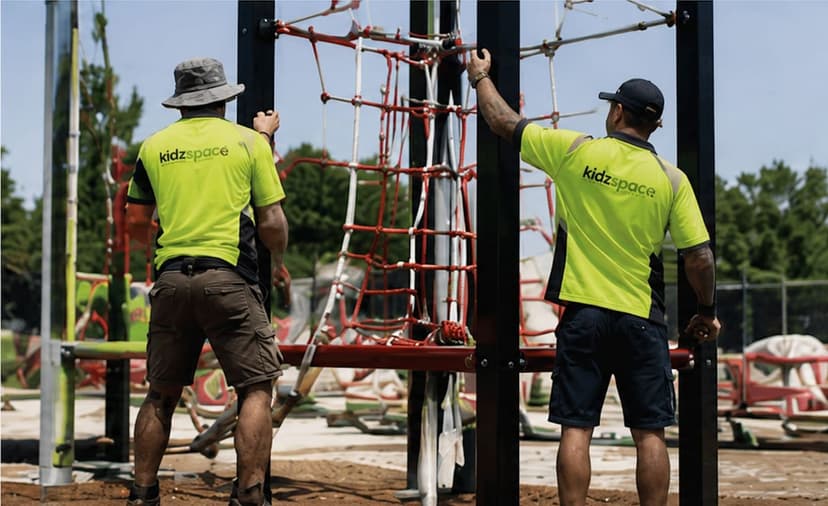
At Kidzspace, every playground we deliver is independently certified at handover, so you receive documented proof rather than a verbal assurance. That certificate is the document you keep on file for your insurer, your council and your own records. You can read more about how we approach this in our compliance guide.
Talk to a specialist
AS 4685 is detailed, but you do not have to become an expert in it. That is our job. Whether you are a school, childcare centre, council or developer, we design, supply, install and independently certify playgrounds that meet the standards, with fixed-price, itemised quotes and no surprises. Get in touch for a free concept design and quote, or call us on 1300 543 977 to talk it through.
Planning a playground?
Tell us about your site and we'll design something your community will love.

