


Playground shade sails aren't just an accessory; they're a fundamental part of creating a safe play space in Australia. At their core, they are purpose-built fabric structures that block harmful UV radiation over play equipment, turning what would be a sun-scorched, no-go zone into a welcoming area for kids. In a country with our climate, they are nothing short of a public health necessity.
Think about any local playground on a bright, sunny day. It's full of life and energy, but it's also bathed in relentless ultraviolet (UV) radiation. A child's skin is far more delicate and vulnerable to sun damage than an adult's, making this constant exposure a serious long-term health risk. That's why providing proper shade isn't just a 'nice-to-have'—it's a non-negotiable for any space dedicated to our kids.
This is where high-quality playground shade sails come in. They are the most effective solution we have in the daily battle against the sun. They don't just cast a simple shadow; these are engineered fabrics designed to filter out the vast majority of dangerous UV rays. This simple addition transforms a playground from a space that's only usable in the early morning or late afternoon into a genuine community hub where kids can play and learn safely all day long.
The need for better sun protection is a problem right across the country. A major audit of 2,592 playgrounds in New South Wales, for instance, turned up some pretty confronting statistics. A staggering 19%—which is 504 playgrounds—had absolutely no shade at all over their play equipment. You can dig into the full details in this report from the Cancer Council NSW.
Even where shade existed, it was often barely enough. Most structures only covered about a quarter of the play area, and a mere 26% managed to shade the entire space. The data really highlights a gap between knowing we need shade and actually getting it done right.
Interestingly, the report found that a massive 79% of existing built shades were shade cloth sails. This just goes to show they are the go-to, practical choice for councils and schools trying to improve sun safety.
This clear preference for shade sails makes perfect sense. Natural shade from trees is wonderful, but it can be inconsistent and take decades to mature. A professionally designed shade sail structure, on the other hand, delivers immediate, reliable, and extensive coverage exactly where you need it.
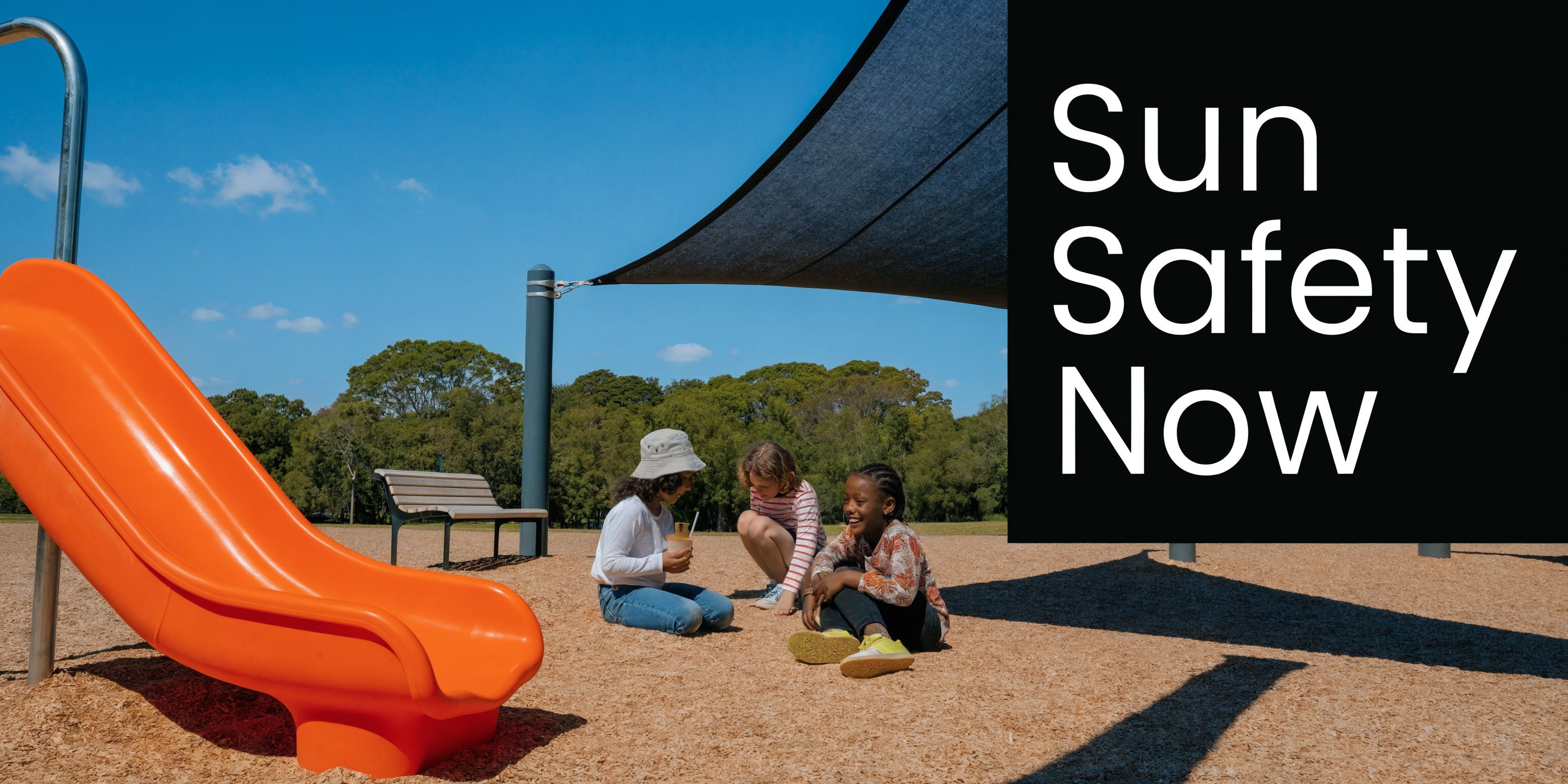
The benefits of a good shade sail installation go well beyond just UV protection. They dramatically improve the overall quality and usability of a playground.
Cooling the Space: Shade sails do more than lower the air temperature. Critically, they stop surfaces like metal slides and dark-coloured plastics from heating up to dangerous, burn-risk levels in the direct sun.
More Hours for Play: By creating a cooler and safer environment, you instantly extend the usable hours of the playground. This maximises the community’s investment and gives kids more opportunities to get outside and be active.
Protecting Your Investment: The sun's harsh UV rays are brutal on playground equipment. They cause plastic to become brittle, colours to fade, and materials to degrade prematurely. Shade helps protect these valuable assets, prolonging their life and saving on future replacement costs.
In the end, putting money into quality playground shade sails is a direct investment in the health of our communities and the wellbeing of the next generation. It’s a smart, proactive step toward creating safer and more enjoyable public spaces. This guide will walk you through everything you need to know to plan and install the perfect sun-smart solution for your playground.
It’s easy to look at a playground shade sail and think all fabrics are created equal. In reality, the material you choose is the single biggest factor in how well the sail performs, how long it lasts, and whether it’s truly a worthwhile investment.
Think of it this way: you wouldn't wear a thin windbreaker in a downpour. The same logic applies here. Getting the fabric right means understanding what makes one material different from another and matching it to what you need to achieve—real, effective protection from the harsh Australian sun.
When we talk about fabric quality, two things really matter: its UVR block rating and its weight.
First and foremost, a high UVR (Ultraviolet Radiation) block is non-negotiable for keeping kids safe. For any professional playground installation, you should be looking for a fabric that offers a UVR block of 95-97%. This isn't just a number; it’s a powerful shield against the sun's most harmful rays.
A quality shade fabric does more than just block sunlight. It can dramatically lower surface temperatures on play equipment by 10-15°C, preventing things like metal slides from reaching burn-risk temperatures of 65°C on a hot day. More importantly, research shows that effective shade can cut a child's total UV exposure during play by half. You can read more about the data in this study on UV exposure under shade structures.
The second number to know is the fabric's weight, measured in Grams per Square Metre (GSM).
For any school, childcare centre, or council playground, always insist on a higher GSM. It's the clearest sign you're getting a product designed for performance and longevity, not just a cheap, short-term fix.
Your decision will almost always come down to two industry-standard materials: High-Density Polyethylene (HDPE) and Polyvinyl Chloride (PVC). They look similar from a distance, but they serve very different purposes.
This table breaks down the key differences to help you decide which is right for your project.
| Feature | HDPE (High-Density Polyethylene) | PVC (Polyvinyl Chloride) |
|---|---|---|
| Primary Function | Sun and UV protection | All-weather protection (sun and rain) |
| Airflow | Breathable: The knitted weave lets hot air rise and escape, keeping the area cooler. | Non-breathable: Traps air, which can make the space underneath feel hotter on still days. |
| Water Resistance | Water-resistant: Will shed light showers if installed at a steep enough angle, but is not waterproof. | Waterproof: Gives you complete shelter from rain, hail, and sun. |
| Best For | Maximising airflow and creating cool, UV-safe zones in hot climates. Perfect for pure sun protection over play equipment. | Areas that need year-round weather protection, like outdoor learning areas, walkways, and sandpits. |
| Durability | Extremely durable and highly resistant to UV degradation and tearing. | Very durable but is heavier, meaning it needs more robust structural support. |
In short, HDPE is the go-to choice for classic sun protection over a play area. Its breathability is its killer feature, actively working to stop heat from getting trapped and keeping the space comfortable.
On the other hand, PVC is essentially a flexible, waterproof roof. It’s the perfect solution when you need a space that’s usable in both blistering sun and pouring rain, though you do have to consider the trade-off in airflow for hot, dry days.
The stitching and thread are the unsung heroes of a shade sail. Even the best fabric in the world will fail if the seams give out. Always check that the sail is sewn with UV-stabilised thread and has multiple rows of reinforced stitching, especially at the corners where all the tension is focused. It’s a small detail that says everything about the quality of the product.
Having a top-quality fabric is a great start, but it’s the design of the structure itself that truly makes a shade sail effective. Getting it right is a blend of smart thinking and practical science, making sure the shade is exactly where it needs to be, right when the kids need it most. It's about turning that simple piece of material into a dynamic canopy that boosts safety and makes the playground a better place to be.
Everything kicks off with a detailed site assessment. This is more than just taking a few measurements. A proper assessment means getting to know the site intimately, tracking the sun's path across the sky at different times of day and through the seasons. We need to pinpoint where and when the sun is at its most brutal.
This solar analysis is absolutely crucial. It shows us the 'hot spots' on the playground and the hours when the equipment is soaking in direct sun. If you skip this step, you’re just guessing. You could end up with a beautiful shade sail that, during the peak UV window from 11 am to 3 pm, is casting a perfect shadow in the wrong spot.
Once we understand the sun's behaviour, the next big decision is mast placement. The support posts are the skeleton of the whole structure. Where they go determines not only how much shade you get but also how safe the playground remains. The goal is always to get the biggest shaded area possible while keeping the posts themselves far away from busy play zones and equipment fall zones.
There are a few non-negotiables when it comes to placing masts:
Poorly planned masts can seriously compromise a play space. The last thing you want is for a safety feature to introduce a brand-new hazard. This is a fundamental part of professional playground design, where we plan for safety and fun hand-in-hand.
This infographic breaks down what to look for in the high-performance materials that are the heart of any well-designed shade structure.
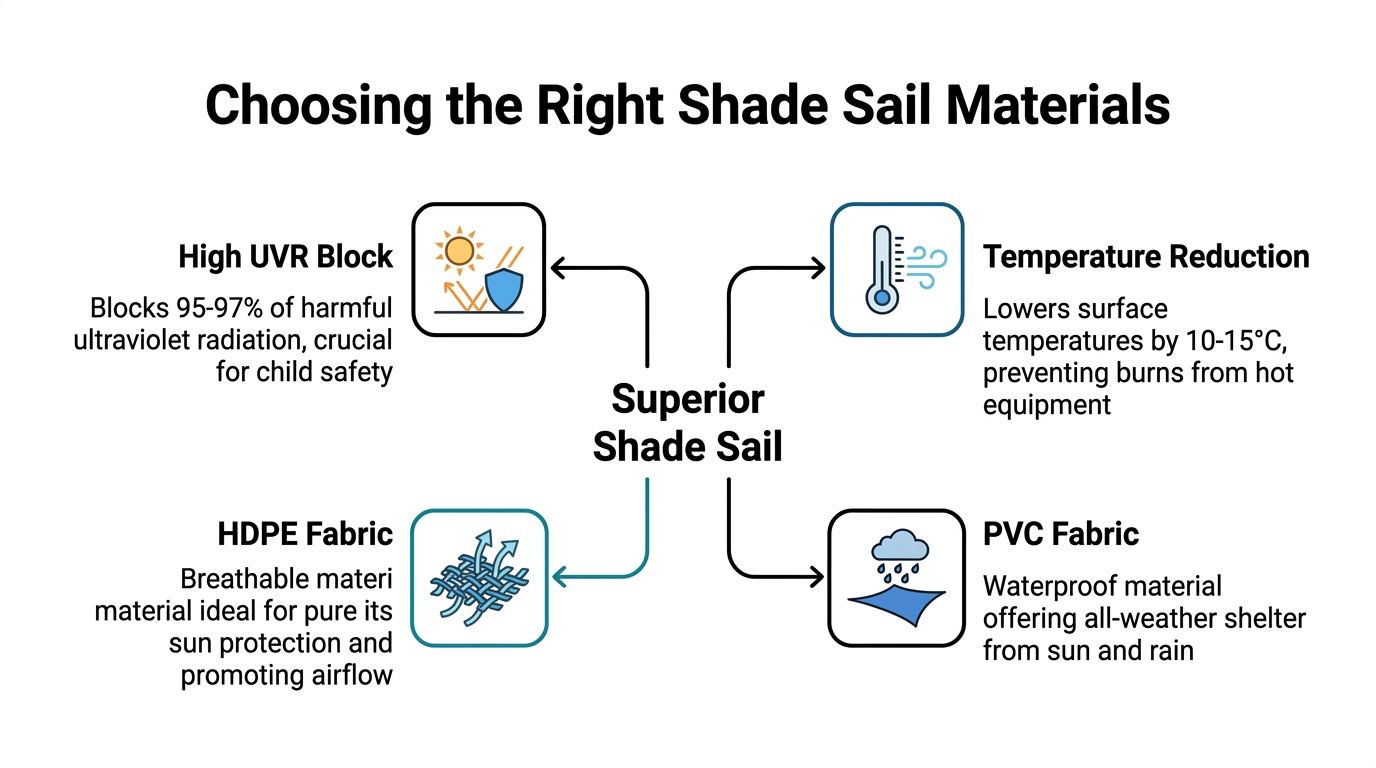
As you can see, it’s not just one feature but a mix of high UVR protection, heat reduction, and choosing the right fabric—whether it’s breathable HDPE or waterproof PVC—that makes a shade sail truly superior.
Playground shade sails are definitely not a one-size-fits-all solution. The shape of the structure needs to fit the job it's meant to do, and different designs offer their own unique advantages.
A well-designed shade structure does more than just block the sun; it can become a visual landmark for the playground. The right shape adds architectural flair and a sense of identity, making the whole area more inviting.
Some of the most popular and effective designs we work with include:
Thinking beyond just the shade sail itself can help you create a truly exceptional outdoor space. For some great principles on designing the ultimate Australian outside entertainment area, you might find this guide useful. By combining a deep understanding of your site’s sun patterns with strategic mast placement and the right structural shape, you create a shade solution that works in perfect harmony with the playground, keeping children safe and encouraging hours of happy, active play.
For anyone responsible for the welfare of children—whether you're at a school, a childcare centre, or a local council—safety compliance isn't just about ticking boxes. It's a fundamental duty of care.
When you decide to install a shade sail over a playground, you’re not just buying a product. You’re adding a major structural element to a play environment. It has to be done right. Understanding the Australian Standards that govern this process is the first step to making a smart, safe decision.
The hard truth is that a poorly planned or non-compliant installation can create more hazards than it solves. What was meant to be a safety feature can quickly become a new risk.
In Australia, two key sets of standards work together to ensure playground shade structures are genuinely safe and fit for purpose.
First, we have AS 4174:2018, which is all about the shade fabric itself. This standard sets the rules for how manufacturers test and label their materials for UVR protection. So, when a supplier tells you their fabric blocks 97% of UV radiation, AS 4174:2018 is your guarantee that this claim is based on legitimate, repeatable testing methods. It also covers benchmarks for the fabric's strength and how well it stands up to the harsh Australian sun.
Next up is the AS 4685 series, which covers playground equipment and surfacing. Here's the crucial part: your shade structure is considered part of the playground. This means its design, placement, and installation all fall under these rules.
A compliant shade structure must never compromise the existing safety of the playground. This means ensuring support posts are well outside designated fall zones, the structure doesn't create new climbing points onto high equipment, and there are no risks of head or limb entrapment between the sail and the play apparatus.
Getting this right is the difference between simply providing shade and ensuring genuine, all-encompassing safety for every child. You can explore how these standards apply to your whole play space in our guide to school playground safety standards.
True compliance goes deeper than just the fabric and post placement. A professionally managed project will always address several other critical engineering and legal requirements.
Engineering Certification: Every commercial shade structure needs to be signed off by a qualified engineer. This certification is your proof that the design is structurally sound and can handle the local wind loads, preventing a catastrophic failure during a storm.
Fire Retardancy: This is a vital safety measure that's often overlooked. For many public spaces, especially those near buildings or in bushfire-prone areas, the shade fabric must meet specific fire retardancy standards (AS 1530.2 and AS 1530.3).
Building Approvals: Permanent shade structures almost always require a green light from your local council. Navigating building codes and getting the necessary permits is a non-negotiable step. This can involve complex requirements like design certifications as per the DBP Act 2020, which ensure all structural elements are properly documented and meet legal obligations.
When you're talking to potential suppliers, ask them for their documentation. Can they show you the engineering certification, the fire retardancy reports, and explain their process for handling council approvals? This simple step will help you quickly sort the true professionals from the rest, ensuring your investment not only protects children but also meets every single safety and legal duty.
You’ve made a fantastic investment in your community’s safety by installing a professional playground shade sail. But just like servicing your car to keep it running smoothly, a little regular care is what keeps your shade structure safe, strong, and looking its best for years to come.
Think of it this way: proactive maintenance is the key to unlocking the full value of your investment. It stops small issues from becoming big, expensive problems and ensures the structure performs exactly as it should—protecting kids from the sun.
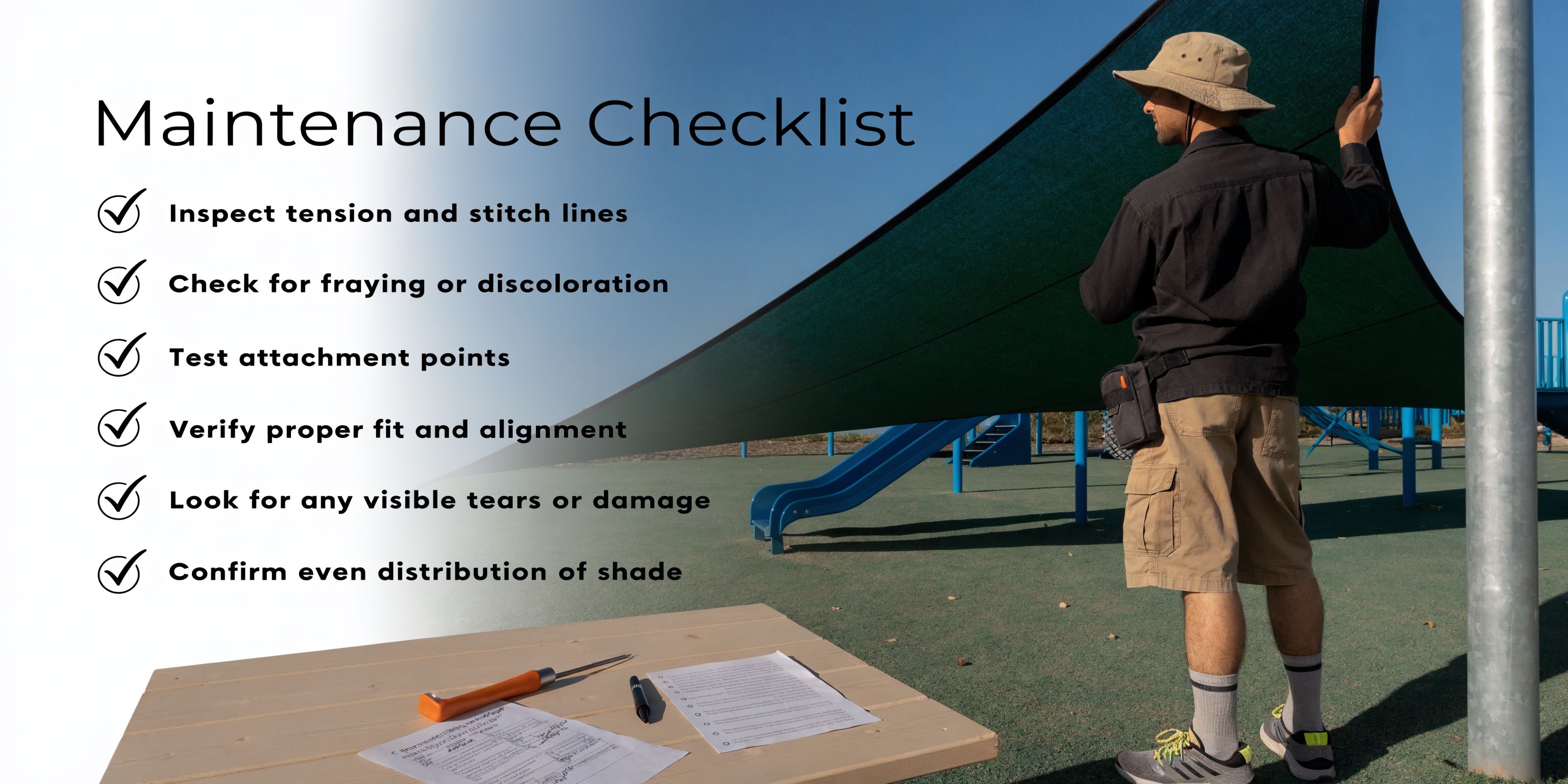
Setting up a simple, consistent inspection routine is the single best thing you can do for your shade sail. A quick check every few months, and especially after a big storm, can catch problems while they’re still minor. We highly recommend keeping a log of your checks—it’s invaluable for tracking the structure’s condition over time.
While you're at it, remember that the sail is just one part of the whole play area. Our complete playground maintenance checklist is a great resource for keeping the entire space in top shape.
For the shade sail itself, here’s what to focus on:
The tension of your shade sail is non-negotiable. A healthy sail should be taut, almost like a drum. If you see it sagging or flapping wildly in the wind, it needs to be professionally re-tensioned immediately. A loose sail wears out dramatically faster and puts immense stress on the entire structure.
To help you stay on track, we've put together a simple seasonal checklist.
This checklist provides a structured approach to inspecting your shade sail throughout the year, ensuring you cover all the critical points from the ground up.
| Season | Inspection Task | Action Required |
|---|---|---|
| Spring | Post-Winter Check: Inspect for any damage from winter storms. Check for mould/mildew buildup. | Clean fabric if needed. Schedule professional re-tensioning after winter winds. Book a full annual inspection. |
| Summer | UV & Tension Check: Visually inspect for fabric discolouration or degradation. Check sail tension is taut. | Monitor for any sagging, especially during hot spells. Ensure no hardware is loosening. |
| Autumn | Debris & Pre-Storm Prep: Clear away fallen leaves and branches. Check drainage paths are clear. | Give the fabric a gentle clean before winter. Check all hardware is secure ahead of the storm season. |
| Winter | Structural Check: Examine posts and footings for any movement or erosion from wet weather. | Give posts a "push test" for stability. Ensure no water is pooling on the sail, which can cause stretching. |
Following this simple routine can dramatically extend the life of your shade sail and ensure it remains a safe, reliable asset for your playground.
It’s only natural for your sail to pick up a bit of grime, from dust and leaves to the inevitable bird droppings. Keeping it clean not only looks better but also helps prevent mould from taking hold.
The golden rule? Be gentle. Never use high-pressure washers, harsh chemicals, or bleach. These will strip the fabric's vital UV-protective coating and can permanently damage the material.
Instead, a soft-bristled brush and a simple solution of mild soap and warm water will do the trick for most general dirt. If you’ve got a more stubborn stain, it's best to use a specialised cleaner designed for shade fabrics.
It’s easy to get fixated on the initial price tag, but the smartest buyers think about the total cost of ownership. A well-made shade sail is a long-term asset, with a typical lifespan of 10 to 15 years.
Here’s the reality: investing more upfront in high-quality materials (like premium HDPE fabric and hot-dip galvanised steel) and professional, engineered installation will save you a significant amount of money over the life of the sail. These superior structures stand up to Australia’s punishing weather, needing fewer repairs and less frequent maintenance.
Opting for a cheaper, lower-quality alternative might feel like a win at first, but it almost always costs more in the long run. You’ll face more frequent repair bills, the need for premature fabric replacement, and the constant stress of a potentially unsafe structure. In the end, quality isn’t an expense—it’s an investment in longevity, safety, and your own peace of mind.
When you’re getting serious about a new shade structure, the practical questions always start to bubble up. It's completely normal. To help you get the clarity you need, we've put together straightforward answers to the questions we hear most often from schools, councils, and childcare centres.
Here’s what you need to know about the realities of owning and looking after a high-quality shade sail.
This is usually the first thing people ask, and it's crucial for budgeting. When you invest in a professional-grade shade sail, you're really looking at two separate lifespans for its components.
What this means in practice is that you might only replace the fabric once over the entire life of the structure. It’s a durable and very cost-effective way to provide long-term sun protection.
Yes, absolutely. In fact, designing a shade solution that works with your existing playground is what custom shade sails are all about. It’s one of their biggest strengths.
Any professional supplier worth their salt will start with a detailed site survey. They'll map out every piece of equipment, your main access points, and the different play zones. The structure is then specifically engineered to cast the best possible shade where it's needed most, all while carefully honouring the safety clearances and fall zones required by Australian Standards. The whole point is to integrate the shade safely and seamlessly.
The best shade sail projects aren't just an afterthought plonked on top of a playground; they are designed in complete harmony with it. The post placement, sail shape, and height are all precisely calculated to enhance the play space, not get in the way.
Professionally installed shade sails are built to be incredibly resilient. They use high-strength fabrics and are engineered to meet or exceed local wind ratings, so they can handle some pretty wild weather. But of course, in the face of a truly extreme storm, damage can happen.
Interestingly, the fabric is designed to be the 'weakest' link. This is a deliberate safety feature. In a severe event, the fabric might tear, which relieves the pressure on the more expensive steel structure and protects it from damage. Think of it like a fuse in a circuit board.
The good news is that minor tears can almost always be repaired. If a full replacement is necessary, the new fabric can be fitted to the existing posts and hardware, which is a much quicker and more affordable fix than starting from scratch.
For a commercial shade sail, the answer is almost always yes. Because it's considered a permanent structure, your local council will typically require a development application and building approval before work can begin. This is a good thing—it ensures the structure is professionally engineered, completely safe, and meets all local planning rules.
Don't let that paperwork put you off. A reputable and experienced supplier will manage this entire process for you. They’ll prepare and submit all the engineering plans, certifications, and compliance documents directly to the council. This takes a huge administrative weight off your shoulders and guarantees your project is fully compliant from day one.
Planning a play space that is safe, engaging, and built to last requires a partner you can trust. The team at Kidzspace works alongside schools and councils to design, customise, and deliver playground solutions that serve the community for years to come.
To talk about your specific needs, feel free to arrange a free playground consultation.



Copyright © Kidzspace. All Rights Reserved.
Copyright © Kidzspace. All Rights Reserved.