




47% of Australian adults are insufficiently active, according to the Australian Government’s National Preventive Health Strategy as cited in the verified data above. For councils and schools, that changes the conversation. The issue isn’t only whether people know exercise is good for them. It’s whether daily environments make movement easy, visible, and normal.
That’s why the benefits of stationary bike equipment deserve a wider lens. In a park, school yard, childcare centre, or shared residential space, an outdoor stationary bike isn’t just a fitness item. It’s active infrastructure. It gives people a place to move without needing a membership, a booking, special clothing, or advanced skill.
Many of the people public spaces need to serve won’t use traditional sport settings. Some are older adults managing stiffness. Some are students who don’t enjoy team games. Some are carers supervising children. Some are beginners who want privacy without isolation. A stationary bike meets all of them halfway.
Used well, outdoor bikes can support public health goals, inclusive recreation, and school wellbeing at the same time. They can sit beside walking loops, playgrounds, shaded seating, and strength stations. They can support structured PE, informal lunchtime movement, and gentle exercise for residents who want something low impact.
Public health often gets discussed as if it lives in hospitals, clinics, or awareness campaigns. In practice, a large part of it lives in the built environment. People move more when movement is close, simple, and socially accepted.
For councils and school leaders, that shifts the question from “Should we encourage exercise?” to “What kind of spaces make exercise more likely?” Outdoor stationary bikes answer that question in a practical way. They turn unused edges of a site into active zones. They create visible prompts for movement. They let people start at their own pace.
A basketball court serves confident players. A formal gym often serves committed users. A stationary bike in a public setting serves a broader mix of people because the barrier to entry is lower.
Someone can sit down and begin pedalling within seconds. There’s no traffic risk. There’s no need to balance like on a moving bike. There’s no pressure to keep up with a group.
That’s especially useful in settings where participation varies widely:
Public fitness works best when the first step feels small.
Australia’s weight and chronic disease burden adds urgency. Verified data shows that 31.8% of Australian adults were obese in the ABS 2022 National Health Survey, up from 28.8% in 2017-18, and 43.4% were overweight, meaning over 75% of adults exceeded healthy weight thresholds. The same verified data notes that cardiovascular disease affects 1 in 3 Australians and type 2 diabetes affects 1.3 million people.
Those figures matter to decision-makers because they turn recreation planning into prevention planning. A shaded bike station near a path, playground, or school oval won’t solve those issues on its own. But it gives communities one more reliable, repeatable way to make movement part of ordinary life.
Outdoor stationary bikes are also scalable. A school can add one or two as part of a fitness trail. A council can include several in a wellness hub. A developer can place them in a shared open space where residents can exercise while supervising children.
That’s a significant shift. The benefits of stationary bike equipment aren’t limited to personal fitness goals. In public settings, they support access, routine, and community reach.
The simplest reason stationary bikes remain valuable is that they combine aerobic exercise, low-impact movement, and easy pacing in one activity. People don’t need to master complex technique before they start getting health benefits. That makes cycling one of the more usable forms of exercise in community settings.
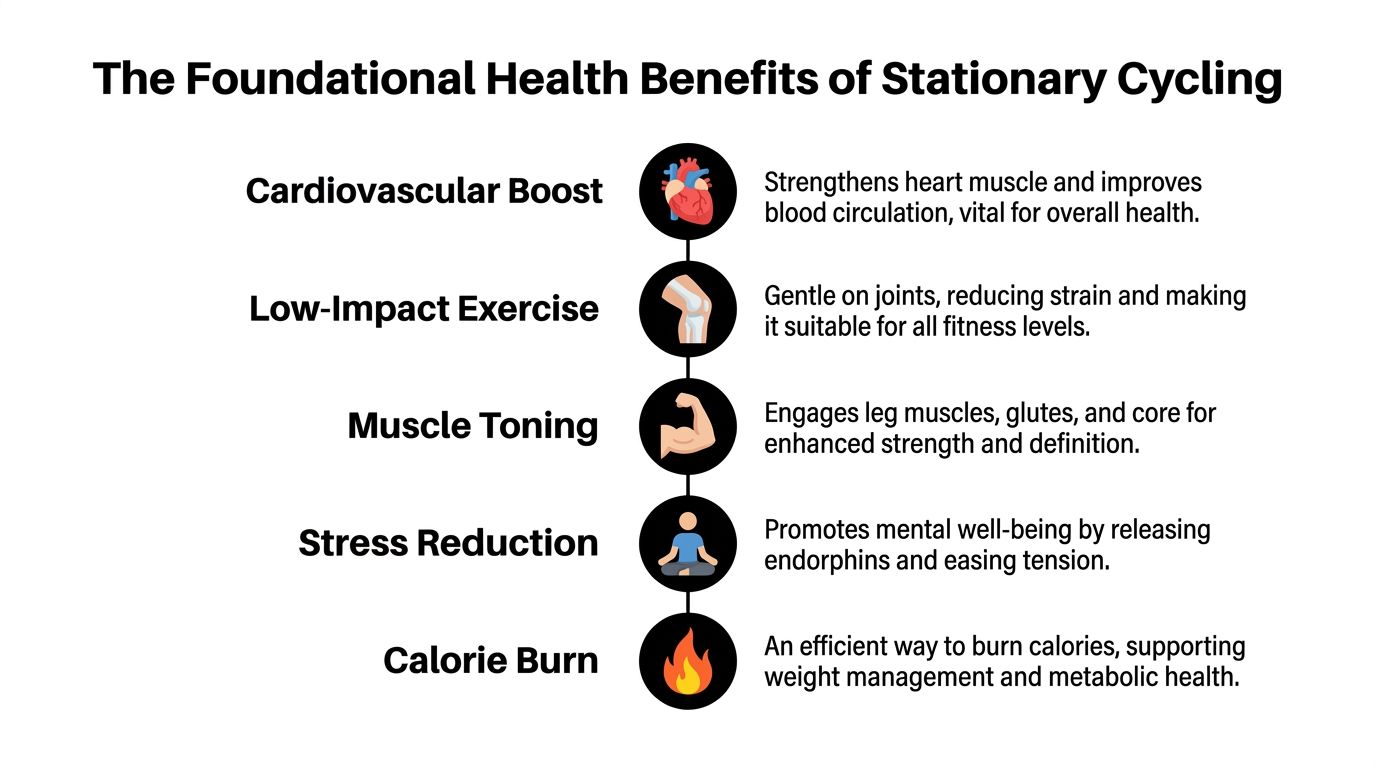
When someone pedals steadily, the body asks the heart and lungs to deliver more oxygen to working muscles. Over time, that repeated demand helps improve cardiovascular efficiency. In plain terms, the heart gets more practiced at doing its job.
That matters in Australia because the verified data links stationary biking to a broader health context where cardiovascular disease affects 1 in 3 Australians. For councils and principals, this is one reason cardio equipment in public space shouldn’t be treated as decorative. It supports one of the core systems that influences long-term health.
A stationary bike also gives users control. They can start gently, build rhythm, and stay within a manageable effort range. That tends to improve confidence, especially for people who feel intimidated by running or organised sport.
Weight management is where many readers first think about the benefits of stationary bike exercise, and the evidence in the verified data is strong enough to make this practical rather than theoretical.
Verified data states that in Australia, where over 75% of adults are overweight or obese, a 30-minute stationary biking session burns 210-260 calories, and a 12-week Australian indoor cycling study found a 4.2% average body fat reduction, 3.1kg weight loss, and an 8.4 mmHg drop in systolic blood pressure (verified source).
That combination matters because it shows more than calorie burn. It shows a pattern of change across body composition, body weight, and blood pressure. For a school or council site, that means the bike isn’t only useful for vigorous users. It’s also useful for consistent moderate use, which is often what public equipment is best at supporting.
A common misunderstanding is that only intense exercise “counts”. It doesn’t. For many people, the bigger challenge is staying active regularly enough for benefits to accumulate. A stationary bike makes repeat use easier because it reduces impact and complexity.
Low-impact exercise still raises the heart rate, but it places less stress on joints than many higher-impact options. That changes who can participate.
People who avoid movement because walking long distances hurts, running feels harsh, or sport feels too competitive may still be willing to cycle. In schools, that can include students who disengage from ball sports. In parks, it can include older residents and adults returning to exercise after a long break.
This is one reason planners often pair bikes with paths, stretch stations, and upper-body equipment. The bike becomes an entry point. Once people are comfortable using one piece of equipment, they’re more likely to use the surrounding area as well.
For a practical look at how public exercise assets fit into real-world use, this guide on whether outdoor gym equipment works is useful for project teams comparing impact and site suitability.
The verified data also points to one of the most important but least visible benefits. Cycling doesn’t just change what people see on a scale. It can influence internal health markers that affect long-term risk.
A drop in systolic blood pressure is relevant because many communities are trying to support prevention, not just treatment. Outdoor bikes help because they make moderate aerobic activity available without scheduling friction. Someone can pedal while a child uses the playground. A teacher can integrate short circuit sessions into PE. An older adult can stop during a walking loop and ride for a few minutes.
Practical rule: The best public fitness equipment isn’t the most advanced. It’s the equipment people will use often.
If you need to explain the case for a bike station at a meeting, this table helps.
| Health area | Why stationary cycling helps | Why it matters in public settings |
|---|---|---|
| Cardiovascular fitness | Repeated aerobic effort supports heart and circulation function | Suits users who need a manageable cardio option |
| Weight management | Uses energy during exercise and supports routine movement habits | Useful for casual, repeat use rather than one-off effort |
| Blood pressure support | Moderate cycling has documented blood pressure benefits in verified data | Aligns with prevention-focused community health planning |
| Joint-friendly activity | Seated pedalling reduces impact compared with many other activities | Broadens participation across age and mobility levels |
The core message is straightforward. The benefits of stationary bike use begin with basic physiology, but their public value comes from how easy those benefits are to access.
Public equipment earns its place when many people can use it safely, comfortably, and often. Outdoor stationary bikes meet that test well because pedalling is familiar, the effort level is easy to adjust, and the activity does not rely on team rules, high impact, or advanced skill.
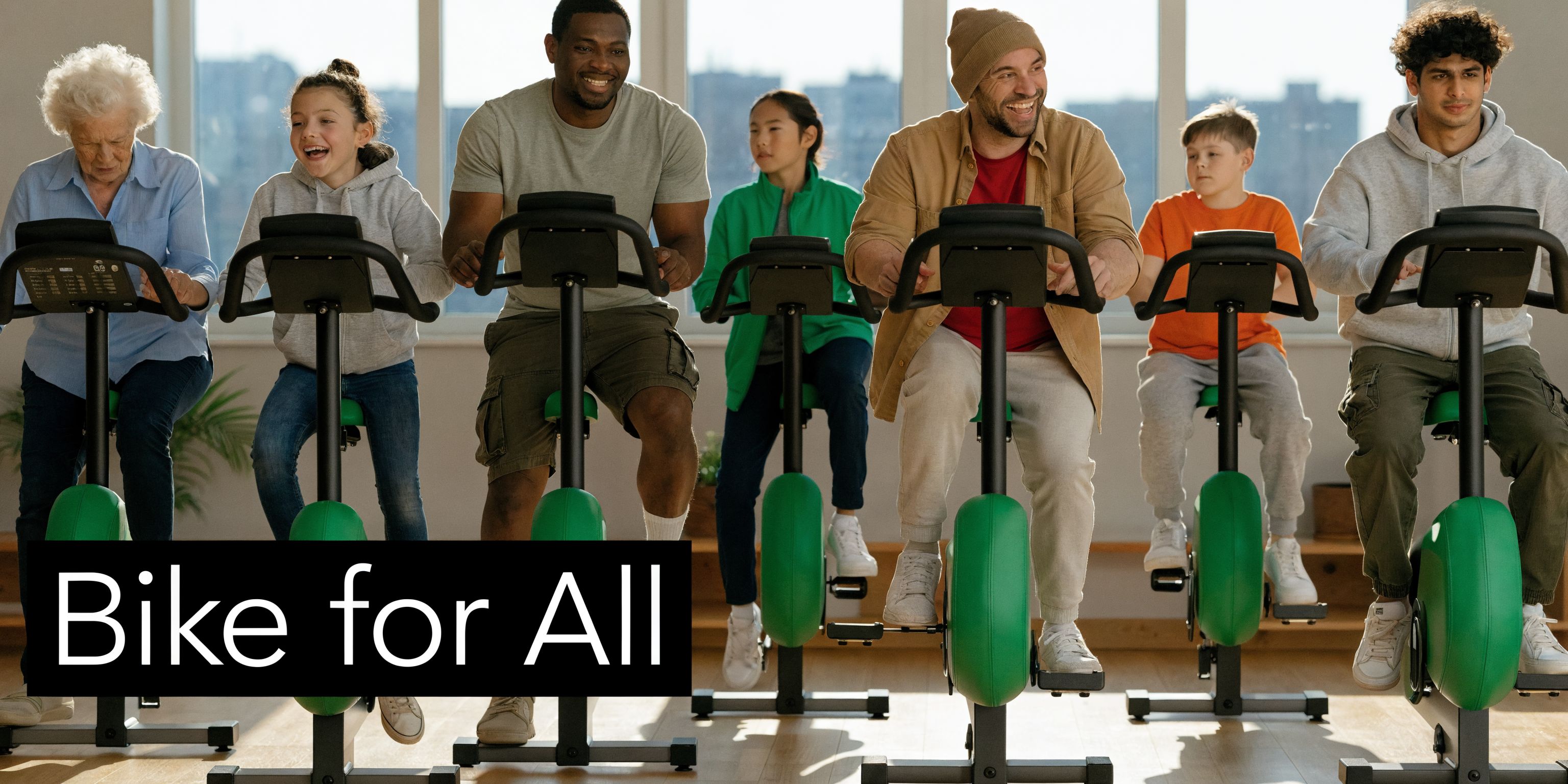
In a park, school, or childcare setting, that matters. A swing or climbing frame may suit one age group well. A court may suit confident users who arrive with a plan. A stationary bike fills a different role. It gives councils and educators a piece of equipment that can serve children building movement confidence, adults fitting activity into daily routines, and older users who want a steadier option.
For schools, the value of a bike station is broader than sport performance. It gives students another way to practise rhythm, leg drive, pacing, and sustained effort in a format that teachers can supervise without much setup.
That makes a difference for students who are less confident in ball sports or group games. Pedalling is a clear task. Sit, place feet, hold posture, and cycle at a moderate pace. In education terms, that simplicity reduces the entry barrier. In practical terms, it helps more students join in.
NSW Health’s school physical activity guidance supports building regular movement into the school day through structured, age-appropriate activity rather than relying on one PE format alone (NSW Health school physical activity resources). That aligns well with outdoor bike stations used in rotations, short circuit sessions, or active breaks.
There is still a planning caution. Research on children’s ideal bike setup, duration, and resistance in public settings remains limited. Schools should treat outdoor bikes like other supervised equipment in a fitness trail. The goal is safe participation, sound posture, and moderate effort, not adult-style training sessions.
For younger children, cycling skills also develop in stages. Early balance, steering awareness, and confidence often come before formal riding technique. Resources on balance bikes for children can help educators understand that progression when designing age-appropriate play and movement spaces.
Councils and schools that want bikes to work as part of a wider activity zone should also review the advantages of outdoor fitness stations for shared community spaces. The strongest results usually come from equipment that supports several types of users across the day, not from a single-purpose installation.
Older adults often judge equipment in the first few seconds. Does it feel stable. Is it easy to approach. Can I use it without worrying about balance. Outdoor stationary bikes answer those questions well.
A road bike asks the rider to balance, steer, scan the environment, and respond to uneven ground. A stationary bike removes those demands and lets the user focus on steady leg movement and breathing. That is why it can work well in parks, seniors' precincts, and walking loops where people want light to moderate exercise without technical complexity.
The public setting around the bike matters as much as the bike itself. Shade, nearby seating, level surfaces, readable signage, and clear paths all improve the likelihood that an older person will give the equipment a try and return to it later. Good design works like a handrail on a stair. It does not do the exercise for the user, but it makes participation feel safer and more manageable.
This group is often overlooked in outdoor recreation planning, even though it includes a large part of the community. Many people with joint pain are not avoiding activity because they lack interest. They are avoiding forms of activity that jar the knees, hips, or lower back.
Stationary cycling is often recommended as a lower-impact option because the movement is supported and repetitive, with less pounding than running or jumping. Arthritis Australia encourages physical activity that protects joint function and supports strength and mobility, while matching the activity to the person’s symptoms and capacity (Arthritis Australia guidance on physical activity).
For councils, this is an inclusion issue as much as a fitness issue. For schools and childcare centres, it also matters for carers, staff, grandparents, and community members who use the same site outside formal program hours.
A bike station can be the difference between a space that looks active and a space that is genuinely usable.
Decision-makers often ask whether a piece of equipment will be used enough to justify the cost. A better question is how many different users it can serve across a normal week.
Outdoor stationary bikes perform well because they allow solo use, paired use, supervised school use, and casual community use. One parent can ride while watching a child nearby. A teacher can add the bike to a circuit. An older resident can include a short ride in a walking routine. A user returning from injury can choose a gentler option than the rest of the fitness area.
That range is what gives the equipment public value. In community settings, the best assets are rarely the ones that demand the highest skill or effort. They are the ones that keep inviting people back.
The success of an outdoor bike project depends less on the bike itself and more on where it sits, what surrounds it, and how people are expected to use it. Good placement turns equipment into part of a routine. Poor placement turns it into an isolated object.
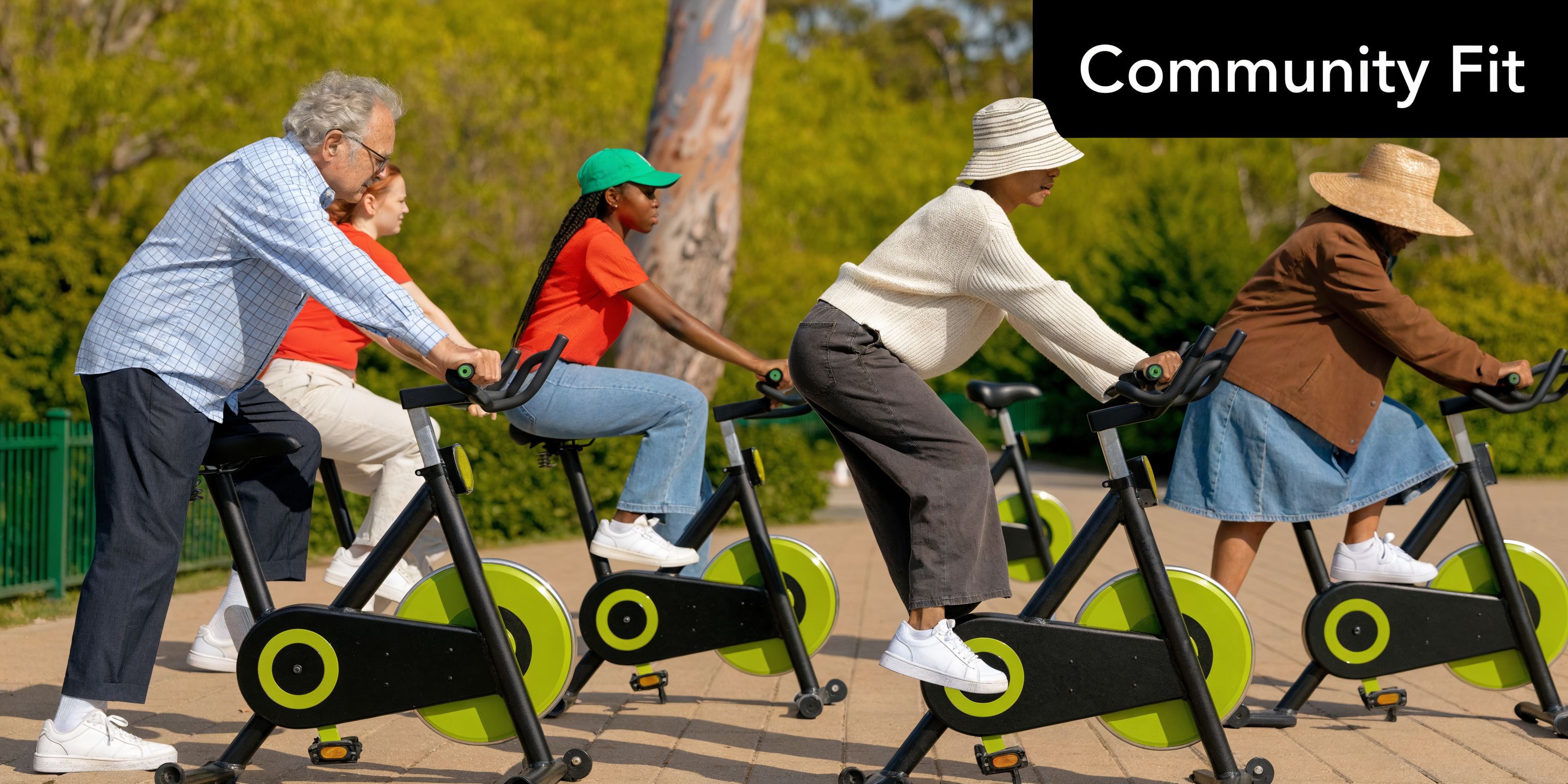
In a school, a stationary bike works best when it’s part of a sequence. Students usually engage more when they move through stations than when they queue for one activity.
A practical school layout might place the bike within a short fitness trail that also includes balance elements, stepping tasks, stretching points, and bodyweight stations. That gives teachers options. One class can use timed rotations. Another can use the equipment for warm-ups or recovery between more active tasks.
Because the verified data highlights a critical evidence gap regarding children’s ideal bike setup, duration, and resistance levels (verified source), schools should build in supervision and simple programming rules. Keep the focus on safe posture, moderate effort, and short, structured use rather than unsupervised high-intensity sessions.
Helpful design principles include:
For planning examples that show how outdoor fitness pieces can work together, this overview of advantages of outdoor fitness stations is a useful reference point.
In a park, the bike should support both deliberate exercise and casual use. That usually means placing it near existing traffic, not hidden away from it.
A strong park layout often includes:
| Park element | Why it helps the bike station succeed |
|---|---|
| Walking path connection | People can add a short ride before or after a walk |
| Playground adjacency | Carers can stay active while supervising children |
| Seating nearby | Supports rest, social use, and older visitors |
| Shade | Increases comfort and likely use in warmer conditions |
| Multiple station types | Encourages circuit-style use rather than one-off trials |
This kind of hub works because people don’t always arrive intending to exercise. Some decide to move once they see equipment, feel comfortable in the space, and realise the task looks manageable.
These settings need extra care. Not because movement is undesirable, but because children’s bodies, coordination, and supervision needs differ from those of older users.
The evidence gap in the verified data is important here. It means planners shouldn’t make precise claims about ideal resistance levels or developmental outcomes where the evidence hasn’t been clearly established.
What you can do is design for safe exploration, staff oversight, and age-appropriate expectations. In early learning environments, cycling-themed movement may be more useful as part of an active play zone than as a formal exercise station. The goal is engagement, coordination, turn-taking, and positive movement habits.
Shared sites often produce the strongest return because the same bike can be used in different ways across the day.
A morning walker may use it for a gentle warm-up. Students may use it during school hours. Parents may use it while children play nearby. Older residents may use it in the cooler part of the afternoon.
One practical option in this category is to specify outdoor fitness equipment designed for public settings, including models such as Kidzspace outdoor stationary bikes, alongside other low-impact stations that support warm-up and circulation in open community areas.
Design insight: Public equipment should fit natural movement patterns. If people already walk past the site, wait there, supervise there, or gather there, that’s where the station belongs.
The strongest projects treat the bike as part of a broader movement ecosystem. It’s not a standalone solution. It’s one reliable piece in a space that helps people move more often and with less friction.
Most public equipment decisions don’t fail because people dislike the health idea. They fail because project teams worry about supervision, misuse, weather exposure, and upkeep. Those concerns are valid. A good bike installation has to work operationally, not just conceptually.
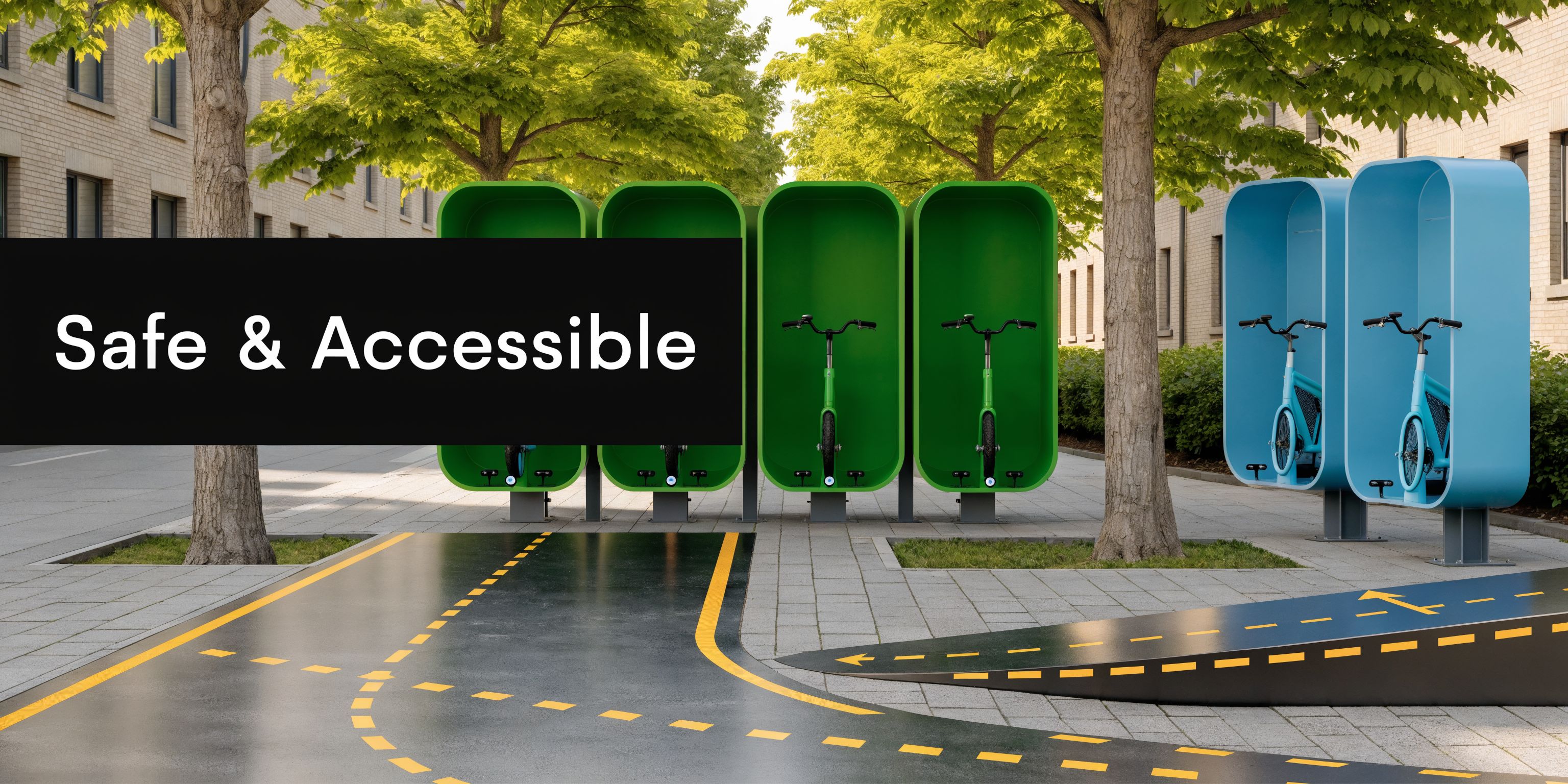
One of the most important facts in the verified data is also one of the most useful for planners. There is a lack of Australian-specific data on injury rates and engagement patterns for stationary bikes in public outdoor circuits versus indoor gyms, and that localised evidence is important for councils and schools making design decisions (verified source).
That means responsible project planning should be cautious and site-specific. Don’t overpromise. Don’t assume indoor usage patterns translate directly to public outdoor environments. Test layouts against real supervision conditions, local climate, and expected user mix.
In practice, this leads to better procurement questions.
Safety starts long before installation day. It begins with selecting equipment intended for public use and matching it to the users you expect on site.
Ask practical questions such as:
A public bike also needs an intuitive setup. If people can’t work out how to get on, where to place hands, or how to begin, many won’t try. Simple signs matter. So does a calm layout that doesn’t crowd the bike with obstacles.
Good public fitness design reduces hesitation. People should be able to understand the equipment before they touch it.
Accessibility isn’t only about compliance documents. It’s about whether the space feels usable to people with different levels of confidence, mobility, and stamina.
A few design choices make a large difference:
When teams are comparing broader precinct options, a general planning reference such as this ultimate fitness center equipment list can help frame what a balanced equipment mix looks like, even though outdoor public sites have different durability and access requirements than indoor facilities.
Outdoor bikes work hard. Sun, rain, dust, heavy use, and inconsistent user behaviour all affect lifespan. For Australian sites, durability choices matter from day one.
Project teams should look for:
Maintenance planning should be written into the project, not left as an afterthought. A practical schedule usually includes routine inspection, cleaning, fastener checks, moving-part review, and prompt response to wear or vandalism.
For teams mapping the full process from concept to installation, this guide on how to build an outdoor fitness station is a useful planning resource.
| Decision area | What to confirm |
|---|---|
| User group | Age range, mobility profile, and supervision level |
| Location | Shade, visibility, path access, and nearby activity zones |
| Safety | Clear use space, legible instructions, and appropriate public-use design |
| Accessibility | Approach route, rest opportunities, and inclusive station mix |
| Maintenance | Inspection routines, replacement parts, and cleaning requirements |
The strongest projects are rarely the flashiest. They’re the ones that stay safe, usable, and inviting after the opening photos are over.
Outdoor stationary bikes deserve more attention than they usually get. In public settings, they solve a very practical problem. They make exercise easier to start.
That has consequences beyond fitness. In a school, a bike can help students who don’t connect with traditional sport. In a park, it can support gentle movement for older adults, carers, and residents rebuilding confidence. In a shared community space, it can turn passing time into active time.
The benefits of stationary bike equipment are strongest when planners view them as part of a larger system. Health value matters. So does inclusivity. So does site design, shade, supervision, maintenance, and a realistic understanding of who will use the equipment day after day.
Councils and principals don’t need infrastructure that looks healthy on paper. They need infrastructure people will approach, understand, and use. Stationary bikes do that well because the movement is familiar, the barrier to entry is low, and the activity suits a wide range of bodies and ages.
Australia’s inactivity challenge won’t be solved by one equipment type or one program. It will be improved by many small, well-made decisions across schools, parks, and neighbourhoods. An outdoor bike station is one of those decisions. It’s practical, visible, and capable of serving far more people than a home or gym-only view of cycling would suggest.
Communities become more active when movement is built into ordinary places. That’s the long-term value here.
If you're planning a school, park, childcare, or community recreation upgrade, Kidzspace can help you assess site goals, user needs, safety requirements, and equipment options so your outdoor fitness project is practical, inclusive, and built for long-term use.



Copyright © Kidzspace. All Rights Reserved.
Copyright © Kidzspace. All Rights Reserved.