



If you're a principal, facilities manager, P&C volunteer, or council officer looking at an ageing school yard, you're probably weighing the same questions every project team faces. What lasts in Australian conditions? What helps children use the space well every day, not just in the first month after installation? And how do you justify outdoor spending when every capital dollar competes with classrooms, staffing, and maintenance?
That's why torrensville primary school is a useful case study. It's not just a well-regarded public primary in Adelaide's inner west. It also shows how a school can align academic culture, community expectations, and outdoor design choices in a way that delivers practical value.
From a play space design perspective, the lesson isn't that the school has a playground. Plenty of schools do. The lesson is that the outdoor environment appears to have been treated as long-term infrastructure, not as a cosmetic add-on. That distinction matters.
At 8:45 on a school morning, a mid-sized primary campus has to absorb a lot at once. Families arrive from surrounding inner-west streets, staff need clear sightlines, and students from Reception to Year 6 shift quickly from movement to learning. That operating reality matters when assessing Torrensville Primary School, because schools of this scale need outdoor areas that do more than fill space. They need to manage flow, support supervision, and give children different ways to play without creating conflict points.
Torrensville Primary School is a government co-educational primary school at 35 Hayward Avenue in Torrensville, serving Reception to Year 6. Publicly available school profile information places enrolment in the low-to-mid 300s, which is large enough for recess and lunch pressure to be real, but still compact enough that every square metre of outdoor space has a noticeable effect on student experience.
The school also sits in a relatively strong educational context. Profile data published elsewhere indicates a high ICSEA position and solid long-term academic performance. For planners, that is useful context, not because test results design a playground, but because schools with stable enrolment, engaged families, and clear learning expectations usually place higher demands on their grounds. Parents expect the same standard outside the classroom that they see inside it. Staff need spaces that reduce behaviour friction rather than add to it.
From a play space design perspective, this is a practical sweet spot. A school of this size can justify investment in distinct play zones, shade, accessible circulation, and equipment that supports both active and quieter use. It also has enough daily wear to expose poor design decisions quickly. Surfaces fail faster. Bottlenecks show up in the first week. Supervision gaps become obvious.
Three planning implications stand out.
That combination makes Torrensville Primary School a useful case study for councils, principals, and project teams. The question is not whether the school has good facilities. The more useful question is whether the outdoor environment has been planned like educational infrastructure with social, developmental, and community return.
Torrensville Primary School's values of Harmony and Achievement matter because they give the site a practical design brief. Harmony isn't just a poster in reception. In school terms, it usually means students need places to cooperate, decompress, move safely, and share space without constant conflict. Achievement means the environment has to help children return to class ready to focus.

That link between values and movement is more than philosophical. The school's own documentation connects active play with student wellbeing and learning culture. According to Torrensville Primary School key documents, integrating active play into school culture has been shown to reduce sedentary behaviour by 20 to 35 per cent in South Australian primary cohorts, with flow-on benefits for physical literacy and classroom concentration.
In practice, schools build harmony through routines and through space. The routines are handled by staff. The space has to do its share of the work.
Useful school grounds usually support:
Schools often get this wrong by overvaluing capacity and undervaluing behaviour flow. More equipment doesn't always mean a better break time. Sometimes it just means more congestion.
A school that talks about both harmony and achievement should avoid outdoor layouts that force all students into one style of play. That approach works for the most confident children and underserves everyone else.
Practical rule: If the only successful users are the fastest, strongest, and loudest children, the space isn't supporting the school's values.
At torrensville primary school, the case for thoughtful outdoor planning is stronger because the educational language already points in that direction. When a school values belonging and performance at the same time, active play becomes part of the teaching environment, not a separate category of school life.
From a consultant's point of view, the Torrensville playground installation is interesting because it appears to solve the boring problems well. That's a compliment. The projects that hold up over time are rarely the ones with the flashiest concept sketches. They're the ones where material choice, compliance, maintenance access, and play value all line up.
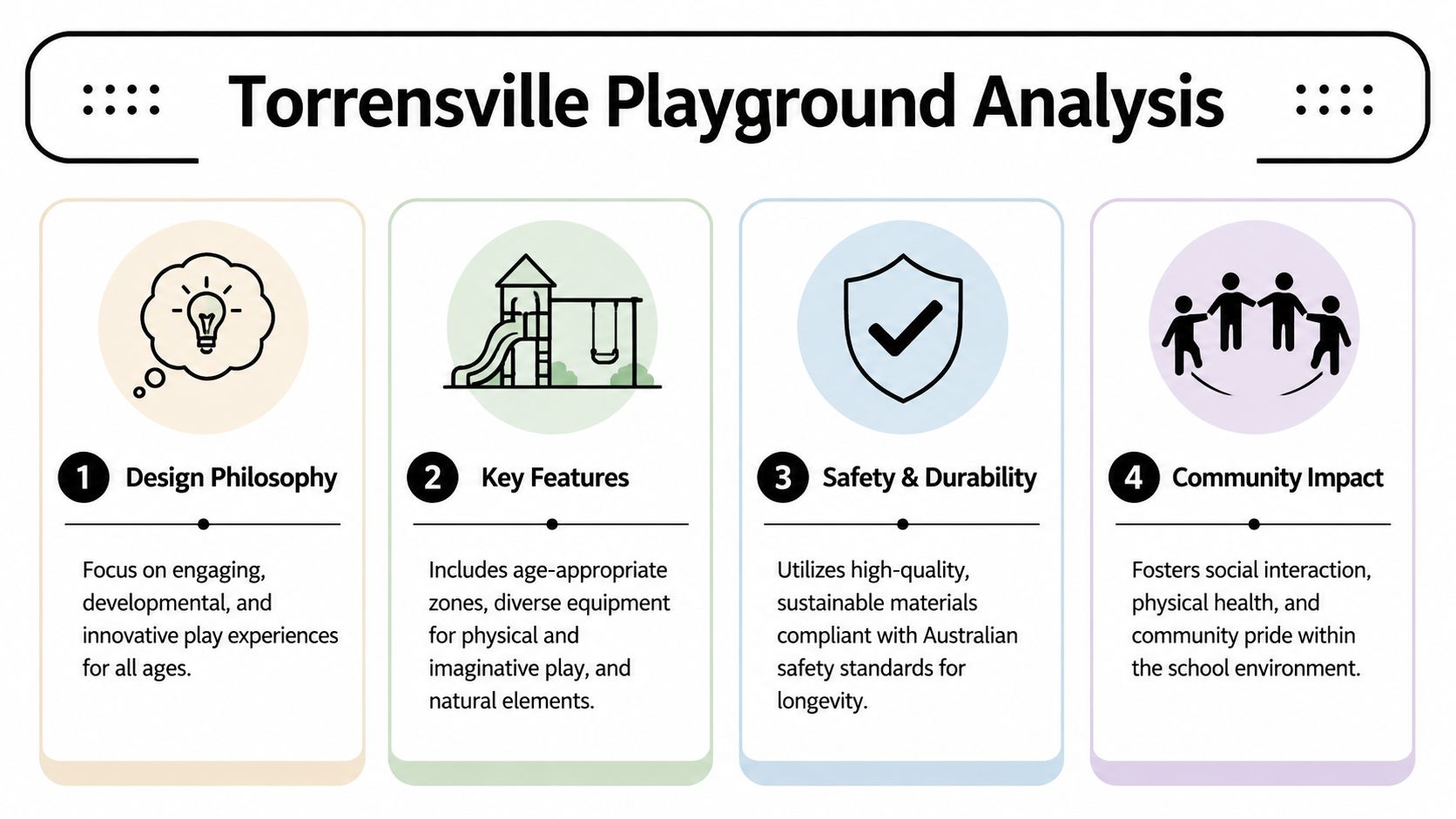
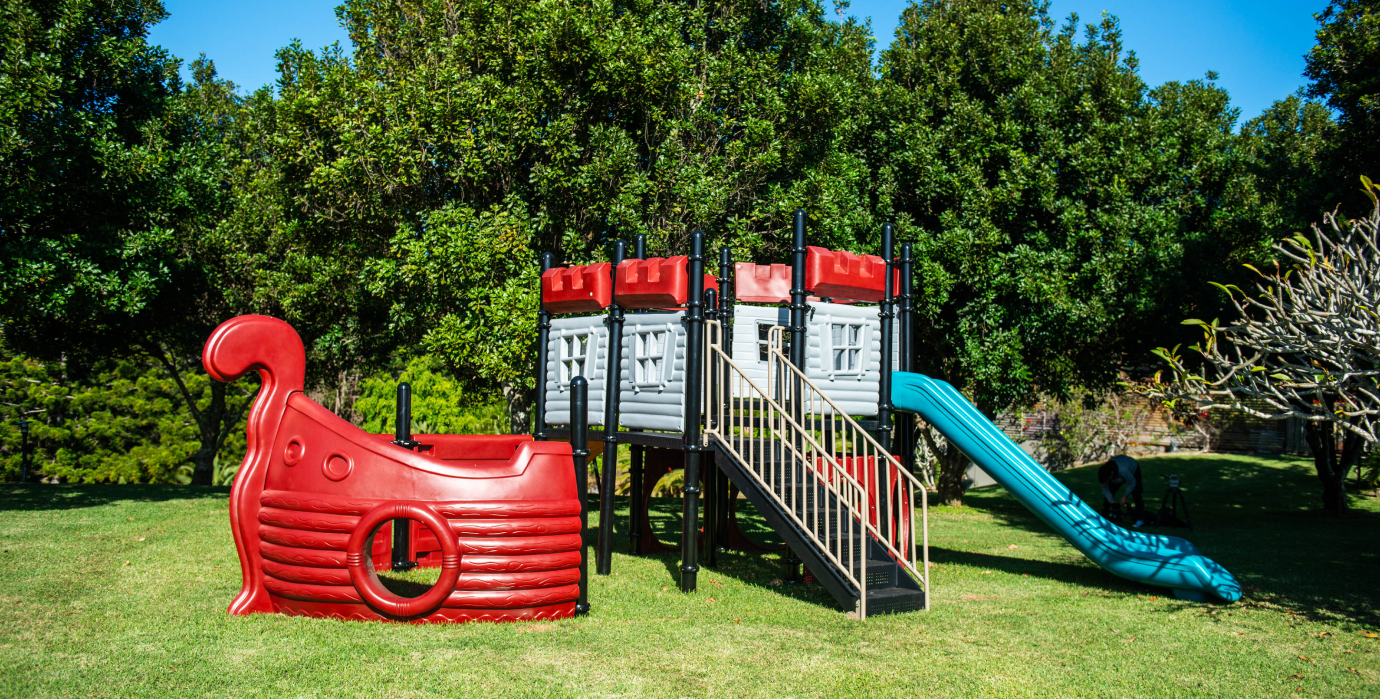
According to ForPark Australia's Torrensville Primary School project page, the school uses a custom-designed playground that includes climbing structures and interactive sensory panels, with compliance to AS 4685 and AS 1428. The same project information states that the installation uses UV-exposed galvanised steel with powder-coated finishes, which can reduce corrosion rates by 40 to 60 per cent and extend lifespan to more than 15 years.
Adelaide conditions are hard on outdoor equipment. Sun exposure, heat cycling, and general school wear punish weak finishes quickly. Many schools often make an expensive mistake at this stage. They focus on purchase price instead of whole-of-life cost.
Galvanised steel with a powder-coated finish is a sensible response because it tackles one of the most common failure points first: corrosion. If the frame stays sound and the finish holds, the school avoids the cycle of patch repairs, shut-off sections, and early replacement.
That matters because downtime has a cost even when it doesn't show up neatly in a budget line. Staff redirect students. Maintenance teams reprioritise work. Families notice fenced-off equipment.
The sensory panels mentioned in the ForPark project description are worth attention. They do more than add variety. They broaden the user group.
A lot of school play areas still lean too heavily on gross motor challenge alone. Climbing, balancing, and upper-body traversal are valuable, but they don't serve every child at every point in the day. Interactive panels give students another way to engage, especially when they want tactile, visual, or cause-and-effect activity rather than full-body movement.
For schools planning early-stage concepts, a simple playground drawing process helps teams test where these quieter or lower-intensity elements should sit in relation to climbing zones, paths, and supervised gathering areas.
Better playgrounds don't just offer more activities. They offer more entry points.
Schools sometimes treat standards compliance as a final sign-off issue. It should be a design input from day one. AS 4685 and AS 1428 affect how children approach equipment, how staff supervise it, and who can use it with confidence.
Three trade-offs usually matter most:
| Design choice | What works | What doesn't |
|---|---|---|
| Durable frame materials | Strong long-term performance in exposed conditions | Cheap frame systems that weather quickly |
| Mixed play components | Broader use across different ages and preferences | Single-mode equipment that creates queues |
| Compliance-led planning | Safer access, clearer circulation, better inclusion | Retrofitting access or safety measures after design is fixed |
At torrensville primary school, the visible lesson is straightforward. The project appears to have been approached as infrastructure with educational value, not just schoolyard decoration.
A good playground can still leave important needs unmet. That's the next design question at torrensville primary school.
The school's public information on inclusive education signals a diverse student community, but there's still limited public detail about the playground's specific inclusive features. According to the school's Inclusive Education information, more than 25 per cent of students have disabilities or EAL/D needs, and related national data indicates that inclusive playgrounds can boost social engagement by 35 per cent in similar Australian schools.
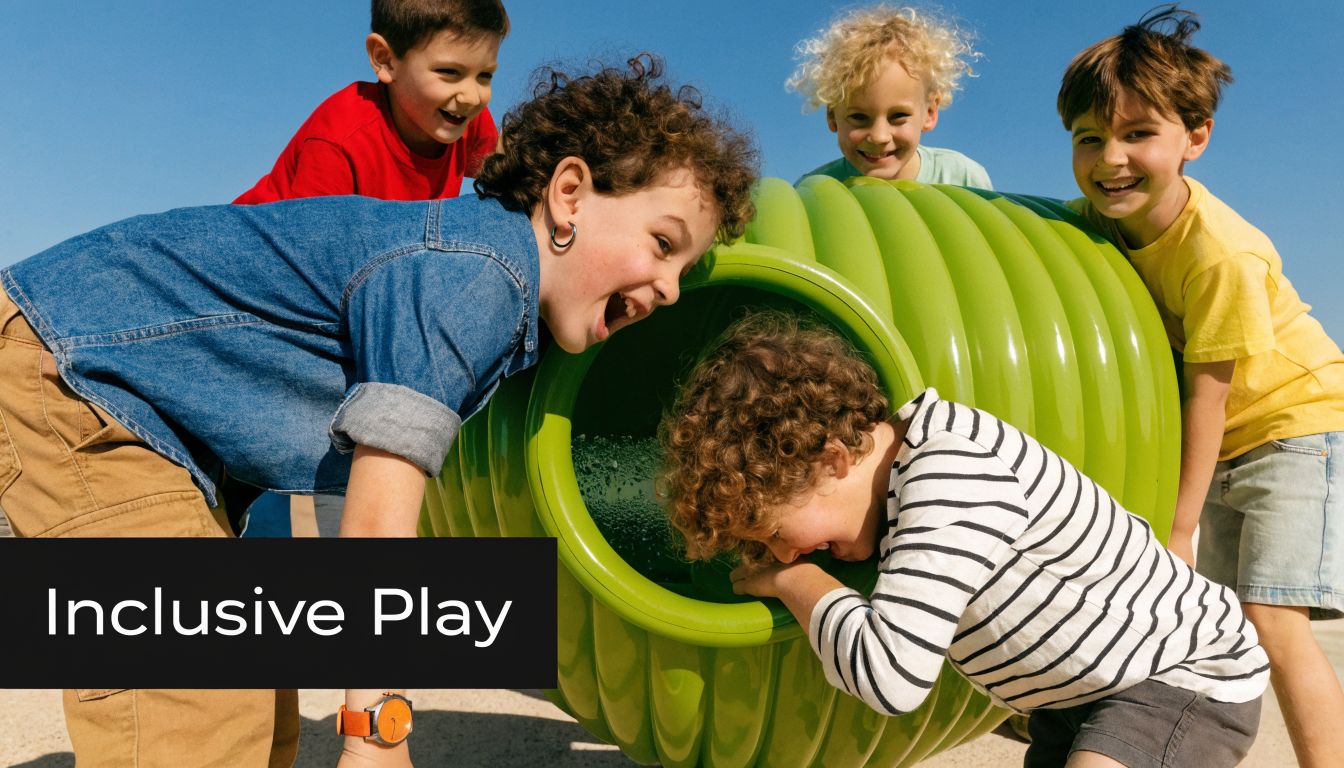
That gap matters. Accessibility and inclusion aren't the same thing. A ramp, transfer point, or compliant pathway may satisfy basic access requirements. It doesn't necessarily create a space where a child feels comfortable, capable, or socially invited to participate.
In school projects, I usually separate inclusive play into three layers.
Many school yards achieve the first layer and stop there. Therapeutic value usually starts at layers two and three.
Therapeutic play spaces aren't clinical spaces. They're outdoor environments that reduce overload and support regulation. That can include calmer edges, sensory variety, graduated challenge, and equipment that allows children to participate without being pushed into high-stimulation activity.
For educators and families wanting a broader mental health lens, this guide on helping kids through play therapy gives useful context for why play-based environments matter beyond recreation alone.
A school with a diverse cohort benefits when the outdoor area includes both activation and settling options. Without that balance, children who are dysregulated or socially uncertain often end up with only two choices: withdraw completely or enter a busy zone that may heighten stress.
The best inclusive spaces let children control their level of engagement.
That's also why many schools are moving toward more intentional all-abilities planning. A dedicated all abilities play space approach usually considers circulation, sensory load, transfer between activities, and whether students can join play without needing to “catch up” to the dominant group.
Torrensville's existing playground appears to provide a solid foundation. The stronger opportunity now is to make inclusion more legible and more layered. That could mean better integration of sensory retreat points, social nooks, calm-path movement, or low-threshold collaborative equipment that supports participation for children who don't naturally choose the busiest structure.
A short video can help stakeholders think about these spaces as lived environments rather than procurement items.
When schools do this well, the result isn't only better access. It's better belonging.
Most school playground projects stall for the same reason. The team starts with equipment preferences before it agrees on educational outcomes. That leads to a shopping list instead of a plan.
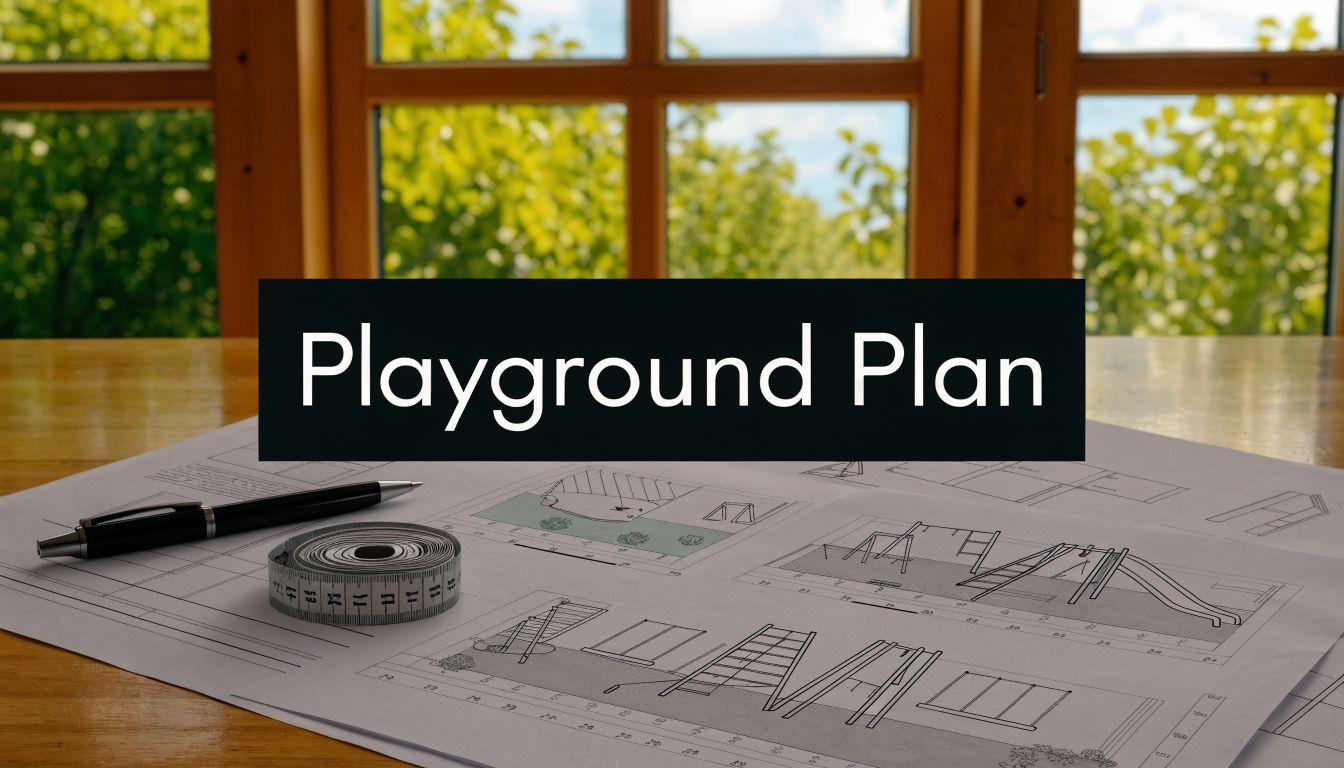
A better process starts with behaviour, supervision, and inclusion. Equipment comes later. That's also where the torrensville primary school example is useful. The school shows what happens when outdoor infrastructure supports the broader life of the campus rather than operating as a disconnected facilities item.
A workable brief should answer a handful of hard questions in plain language:
Who is underserved by the current yard?
List the students who struggle to find a place in break times. That often reveals more than a defect report ever will.
What do staff need to supervise well?
Ask where bottlenecks, blind spots, or repeat behaviour issues happen.
What kind of play is missing?
If every popular area is high-speed and high-noise, the site may need more collaborative, imaginative, or calming options.
What has to last?
Separate “nice to have” features from the frame, surfacing, and circulation elements that determine long-term performance.
According to Torrensville Primary School's site information, Australian longitudinal studies show that dynamic, themed playground systems such as pirate or forest themes can foster up to 40 per cent more collaborative play, which has been linked to fewer behavioural issues and reduced school exclusion pressures.
That's a practical design cue, not just an interesting statistic. Theme can give children a script for interaction. Instead of competing for a turn on a single feature, they start negotiating roles, inventing games, and staying engaged together for longer.
For early concept work, a bank of outdoor playground design ideas can help a school compare whether a nature-based, transport, adventure, or abstract theme best fits the age mix and the site's teaching goals.
I'd keep the project framework simple.
On site reality: The most expensive mistakes usually come from rushed circulation planning, not from choosing one extra play feature.
| Project approach | Usually works | Usually disappoints |
|---|---|---|
| Brief-led planning | Aligns equipment with school outcomes | Buying from catalogue pages without a site strategy |
| Behaviour-aware layout | Reduces conflict and improves supervision | Clustering everything into one noisy destination |
| Mixed intensity play | Supports more students across the day | Treating every child as if they want the same challenge |
| Long-life specification | Reduces future disruption | Saving upfront on materials that degrade early |
The schools that get the best results don't necessarily spend the most. They decide earlier what the space is supposed to do.
Torrensville primary school stands out because the school can be read on two levels at once. On one level, it's a strong public primary with a credible academic profile and a clear set of values. On another, it's an example of how school grounds can reinforce that identity when outdoor investment is handled thoughtfully.
That's the bigger lesson for schools and councils. A playground isn't separate from learning culture, student regulation, family perception, or community pride. It shapes all of them. Children carry what happens in the yard back into the classroom, and families often read the quality of a school's care through its shared spaces.
Community benefit also depends on the human side of design. Equipment matters, but so do the habits and relationships built around it. Teams thinking about social connection in and around school life may find Soul Shoppe's connection building strategies useful, because they complement what good outdoor spaces are trying to achieve: more belonging, better peer interaction, and stronger participation.
A school ground does its best work when it gives different children different ways to succeed. Some need challenge. Some need retreat. Some need imaginative group play. Some need a low-pressure starting point before joining in. The sites that hold communities together are the ones that make room for all of those patterns.
Torrensville offers a practical blueprint. Build for longevity. Design for varied users. Let the outdoor environment support the same standards the school expects indoors. That's how a campus becomes more than functional. It becomes part of the community's long-term infrastructure for growth, health, and connection.
If you're planning a school or council play space and want expert guidance on durable, inclusive, Australian-made solutions, Kidzspace can help you shape the brief, refine the concept, and turn site constraints into a practical playground that serves students and the wider community well.


Copyright © Kidzspace. All Rights Reserved.
Copyright © Kidzspace. All Rights Reserved.