


When you type "outdoor workout equipment near me" into a search bar, you're doing more than just looking for a product. You’re taking the first step towards creating a genuine community hub for health and well-being. Whether you're part of a school, a local council, or a community group, this guide will help you turn that initial search into a lasting asset for everyone.
Across Australia, there's been a massive shift towards taking fitness outdoors. It’s completely transformed our parks, schoolyards, and public spaces into vibrant centres for activity. This isn't just a passing trend—it's a fundamental change in how we, as communities, think about health and wellness. For project managers, school principals, and council planners, this boom is a golden opportunity to invest in public health.
The best way to approach this is to see it as an investment in your community's future, not just a simple purchase. The goal is to build a space that’s safe, engaging, and tough enough to handle the unique Australian climate, from coastal salt spray to the intense outback sun.
This explosion in outdoor fitness isn't just anecdotal. Since the early 2010s, government initiatives promoting active lifestyles have led to incredible growth in outdoor gym installations. By 2025, there were over 1,200 outdoor gyms set up in cities and regional areas across the country.
The impact is clear. A 2024 Play Australia survey found that an impressive 78% of primary schools that added outdoor fitness stations saw a noticeable improvement in students' physical activity levels.
The real power of an outdoor gym is its accessibility. It removes the usual barriers like cost and the intimidation factor of a traditional gym. This creates an inclusive, welcoming environment where anyone can work on their health.
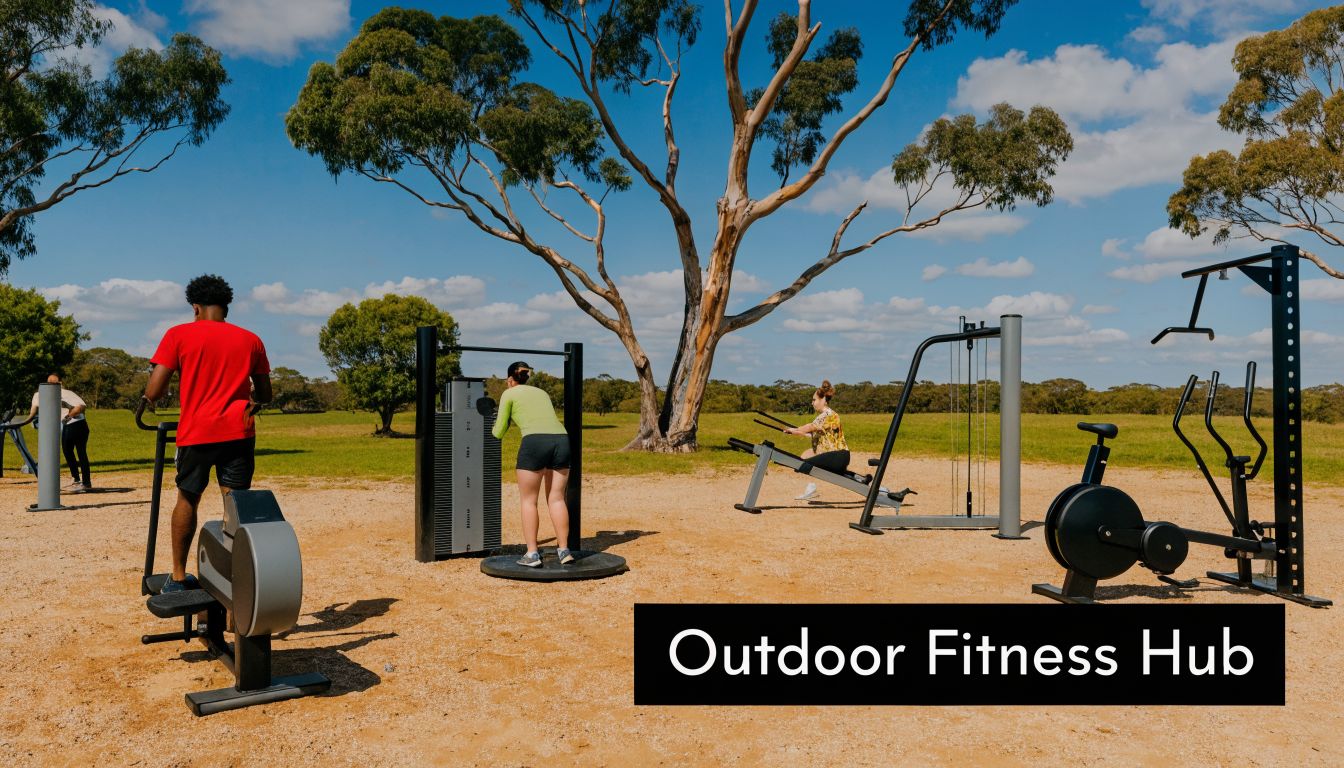
Bringing an outdoor fitness project to life is a process with several important stages. We’ve designed this guide to give you a clear roadmap, helping you navigate the entire journey from initial idea to a successfully completed installation.
Here’s what we’ll walk through together:
With this practical knowledge, you’ll be well-equipped to choose the right commercial fitness equipment that not only meets strict Australian standards but also serves your community for years to come. Let's get started on turning your vision into a reality.
Finding the right partner for your outdoor fitness project is, without a doubt, the most important step you'll take. When you’re searching for “outdoor workout equipment near me,” you’re not just buying products off a shelf. You’re looking for a long-term collaborator who understands the unique demands of public spaces.
Think about it: you wouldn't hire a builder for a new community hall just because they have a flashy ad. You'd want to see their previous work, talk to their local references, and make sure they know the area's building codes inside and out. The same mindset is crucial when you’re choosing an equipment supplier.
A quick online search will get you a list, but it won’t tell you who the real experts are. To find the genuine specialists in commercial outdoor fitness, you need to know where to look.
Here’s how you can build a solid shortlist of qualified candidates:
This approach helps you filter out the noise and focus on companies with a proven track record of building equipment that lasts in the public realm.
Once you have your shortlist, it’s time to dig in and separate the true specialists from the general resellers. This is where you can apply some solid vendor management best practices to guide your evaluation. A supplier’s portfolio is their resume, and you should ask to see it.
A supplier’s portfolio is their resume. If they can't show you successful, completed projects in environments similar to yours, it's a significant red flag. They should be proud to demonstrate their local work.
Get a list of tough questions ready for every potential partner. The confidence and detail in their answers will tell you everything you need to know about their experience.
Here are the non-negotiable questions that will help you vet suppliers properly:
With this structured approach, you can move past a simple search and choose a supplier who will be a true partner—someone who will help you build a safe, durable, and much-loved asset for your community.
So, you've shortlisted a few potential suppliers. Now comes the most important part: looking past the glossy brochures and shiny paint to see what you're really getting. It’s a bit like buying a car; you wouldn't just kick the tyres. You’d look under the bonnet, check the service history, and take it for a test drive.
This is the stage where a good project becomes a great one. It’s about more than just price. You need to dig into the nitty-gritty details to make a choice that will benefit your community, school, or park for years to come—not just look good on opening day.
When you’re comparing different pieces of equipment, it’s easy to get lost in the details. To cut through the noise, focus your assessment on three non-negotiable areas.
Get these three right, and you're well on your way to choosing a safe, durable, and welcoming asset for your entire community.
In Australia, safety is never just a suggestion—it's a legal and moral obligation. When it comes to public fitness equipment, the key standard you need to know is AS 4685. This covers all the technical requirements for playground and fitness equipment, ensuring it's built to prevent injuries and handle the rigours of public use.
A verbal promise of compliance simply isn't good enough. You must ask for written certification or proof from a third-party that the equipment meets or exceeds AS 4685. Think of this paperwork as your project's insurance policy.
A quick Google search can give you a list of suppliers, but a professional vetting process goes much deeper, as this chart illustrates.
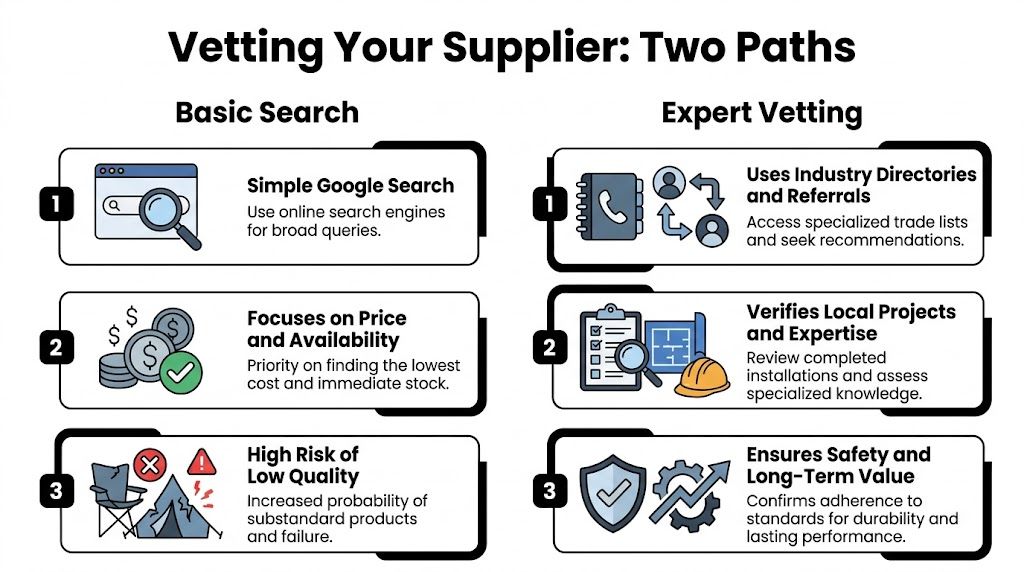
Focusing on verified details like safety compliance is the difference between hoping for a good outcome and guaranteeing one.
The materials used for outdoor equipment will directly impact its lifespan, how much maintenance it needs, and its long-term safety. In a country with a climate as demanding as Australia's, this isn't a minor detail—it's everything.
A good supplier won’t just sell you a product; they’ll ask about your location. They should be able to clearly explain why a certain type of steel or coating is best for your specific site and back it up with examples of how their materials have performed in similar Australian conditions.
To make this easier, here’s a breakdown of common materials and how they stack up against our local environments.
| Material Type | UV Resistance | Corrosion Resistance (Coastal) | Typical Lifespan | Best For |
|---|---|---|---|---|
| Galvanised Steel | Good | Excellent | 20+ years | Coastal areas, high-use parks, structural frames |
| 316 Stainless Steel | Excellent | Superior | 25+ years | Premium coastal installations, handrails, fasteners |
| Aluminium | Very Good | Very Good | 15+ years | Signage, static components, lighter-duty equipment |
| HDPE Plastic | Excellent (UV-stabilised) | Excellent | 15+ years | Colourful panels, activity boards, seats (non-structural) |
| Recycled Plastic | Good | Excellent | 20+ years | Decking, benches, bollards (where certified for use) |
Choosing the right material from the start saves you a fortune in future repairs and replacements, ensuring the equipment remains safe and presentable for years.
A truly successful outdoor gym is one that everyone in the community can use and enjoy. This means thinking about universal design from the very beginning, creating a space that welcomes people of all ages, fitness levels, and physical abilities.
For our clients at Kidzspace—from schools to community developers—this is a top priority. In fact, 90% of our installations now include accessible equipment options that meet Disability Discrimination Act guidelines. The positive impact is clear. A 2023 University of Sydney study of 50 NSW parks found that these inclusive spaces are incredibly effective. The average user burned between 250-350 calories in a 20-minute session, and even more importantly, 82% of people reported feeling safer and more motivated when exercising outdoors.
To learn more about how thoughtfully designed fitness zones can revitalise a public space, you can review insights on successful park projects and see the transformative results for yourself.
Alright, let's get down to the brass tacks: money and logistics. Turning your great idea for an outdoor gym into a real, functioning space is a lot like planning a major community festival. It takes more than just enthusiasm; it needs a clear goal, a smart budget, and a solid plan that maps out every step from start to finish.
A good plan isn't about restricting you—it's about freeing you from the stress of last-minute financial surprises and logistical headaches. It’s your roadmap from a simple concept to a vibrant community hub. Most importantly, it helps you understand the total cost of the project, not just the price tag on the equipment.
When you’re looking at quotes, it's easy to focus only on the cost of the equipment itself. But that's just one piece of the puzzle. A truly realistic budget covers everything from the moment you break ground to the day you cut the ribbon, preventing those nasty, unexpected bills later on.
To get a complete financial picture, make sure you account for these key cost centres:
Thinking about these costs from day one helps avoid budget blowouts. Many of the financial principles are similar to building a playground, so our guide on understanding commercial playground costs is a great resource to check out.
Once you have a handle on the budget, it's time to build your master plan. This document is your project's single source of truth, outlining every milestone and keeping everyone from stakeholders to suppliers on the same page. It’s what turns your big idea into a series of clear, achievable actions.
Think of your project plan as a recipe. It lists all the ingredients (resources, equipment), outlines the method (tasks and milestones), and shows you a picture of the finished dish, making sure everyone in the kitchen knows exactly what to do and when.
Depending on where you’re building, you'll also need to think about council regulations. Larger installations often require a formal site plan for approval. Reading a comprehensive guide to site plans can shed some light on what’s needed and whether you'll need a professional to draw one up.
Breaking the entire project into smaller, manageable phases makes it far less overwhelming. It also ensures you don't miss a critical step along the way. Here’s a typical timeline to give you an idea:
This is where the rubber meets the road. After all the planning and budgeting, you finally get to see your vision start taking shape. It’s a rewarding process, watching an empty patch of ground transform into a vibrant fitness hub for your community.
But before a single piece of equipment is unpacked, the real work begins with a professional site assessment. This is the foundation of a successful, safe, and long-lasting project.
You’ve probably already scouted a location, but a professional assessment goes much deeper than just picking a nice spot. A specialist team will analyse the ground's stability, ensure there's proper drainage, and meticulously map out the required safe fall zones around each piece of equipment.
Getting this right from the start is absolutely critical. It helps you avoid nightmare scenarios like installing gear on unstable ground that shifts over time, or in a low-lying area that turns into a swamp after heavy rain. These issues don't just damage the equipment; they pose a serious safety risk.
Once the site gets the green light, installation can begin. It might be tempting to cut costs and try to manage this with your own team, but this is one area where you simply can't afford to compromise. It's like assembling a complex piece of machinery—without the right expertise and tools, things can go wrong in a big way.
A professional installation crew does far more than just bolt things together. They ensure every footing is perfect, every component is assembled exactly to the manufacturer's specifications, and that the entire setup complies with strict Australian safety standards. This is about more than just best practice; it's about protecting the public and managing your long-term liability.
This is where true specialists shine. For instance, some suppliers offer custom-themed equipment that creatively blends fitness and fun, all while meeting rigorous AS 3770 testing for durability over 100,000+ cycles. The payoff for this level of quality is huge. A recent study found that 75% of Australian municipalities with well-designed outdoor gyms saw their community cohesion scores jump by 20-30% in Livability Indexes. These spaces genuinely bring people together. You can discover more about these successful initiatives and see how they can transform a community.
With a qualified partner handling the technical side, your role shifts from hands-on work to high-level oversight. Your job is to keep the project on track and ensure it meets your standards, not to dig holes or tighten bolts yourself.
Here's how you can effectively oversee the process from a distance:
By handing the technical work over to the experts, you guarantee a professional result. It frees you up to focus on the bigger picture: delivering a safe, valuable, and much-loved asset that will serve your community for years to come.
So, your new outdoor workout equipment is in the ground. You might think the job’s done, but really, it’s just getting started. Keeping this valuable community asset in top shape for the long haul depends on a smart, proactive maintenance plan. Think of it like owning a car; a little regular attention now will keep it running safely and smoothly for years to come.
This isn't just about keeping things looking nice—it's about protecting the people who use the equipment every day. A clear plan helps you catch small issues before they turn into big, expensive headaches, ensuring the fitness zone remains a source of community pride.
When you're sorting out the purchase, you'll be looking at different warranties. It’s vital to understand what they really cover. For instance, a 20-year structural warranty sounds fantastic, but what does that actually mean?
More often than not, it only covers the main frame and structural posts against major failures like corrosion or defects in the material itself. It probably won’t cover things like moving parts, paint finishes, or plastic seats, which usually have much shorter warranty periods of one to five years. Get these details ironed out with your supplier from the start to avoid any surprises down the track.
A strong warranty is a supplier's vote of confidence in their own product. Ask for a detailed warranty document that clearly separates coverage for structural integrity, moving parts, and cosmetic finishes.
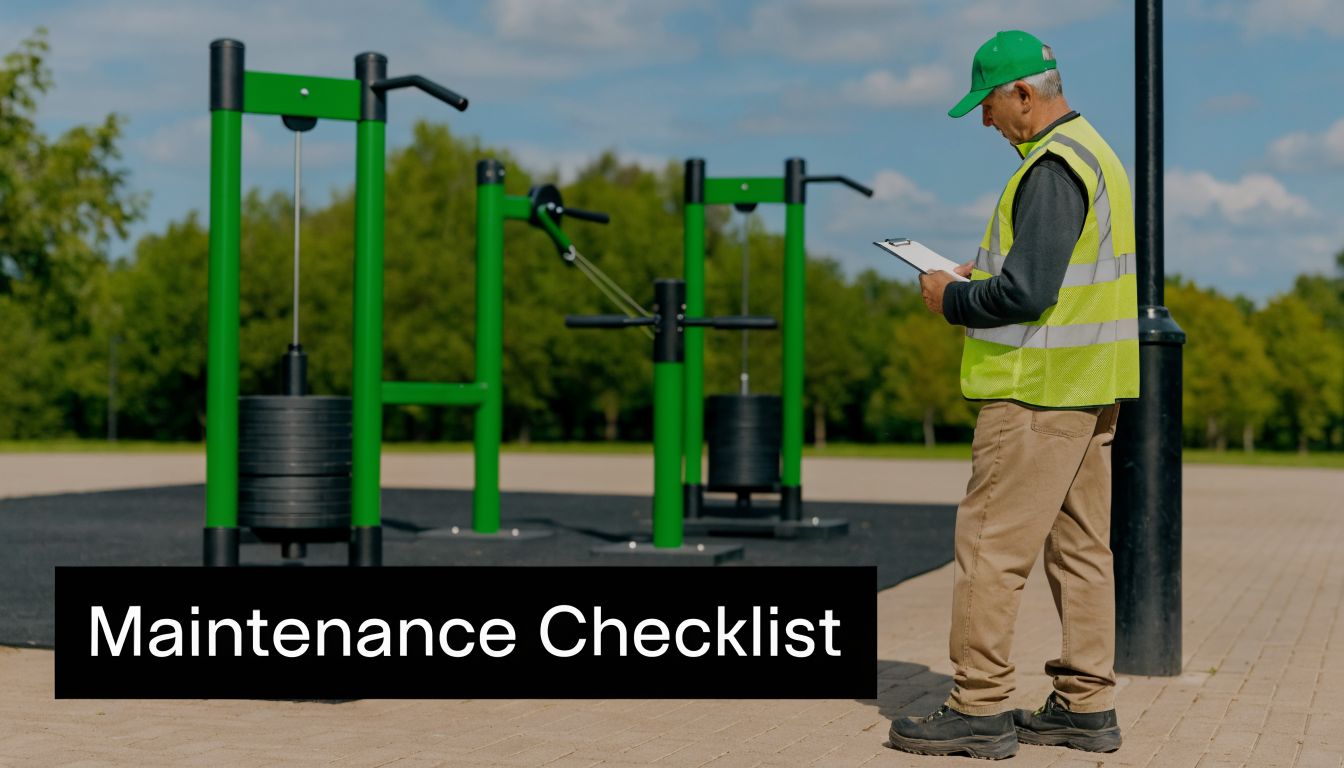
Consistent maintenance is your best defence for ensuring safety and getting the most out of your equipment's lifespan. You don't need a team of engineers on standby. A simple checklist for your groundskeeper or maintenance crew is often all it takes to spot wear and tear before it becomes a real hazard.
Here’s a sample schedule you can adapt for your own needs:
This kind of structured approach shifts maintenance from a reactive panic into a proactive strategy for looking after your asset.
Give your maintenance team a straightforward checklist to follow. This not only ensures nothing gets overlooked but also builds a valuable maintenance record over time.
Your checklist should include simple points like:
By sticking to a simple maintenance plan, you make sure your search for "outdoor workout equipment near me" results in a community space that stays safe and enjoyable for everyone, for many years to come.
Got questions about getting an outdoor gym project off the ground? You're not alone. After helping countless schools, councils, and community groups, we’ve found that the same key questions pop up time and time again.
Getting these fundamentals sorted early on is the best way to move your project from a great idea to a real, functioning asset that your community will love.
This is usually the first question on everyone's mind, and the honest answer is: it depends on what you want to achieve. The good news is you don't always need a massive, sprawling area to create something truly effective.
For a starter setup – think three key pieces for a primary school or a small pocket park – you might only need around 50 to 70 square metres. That figure includes the equipment's footprint and the necessary safety surfacing around it. But if you’re dreaming bigger, like a full-scale fitness hub with eight to ten different stations, you'll want to aim for a space closer to 150 to 200 square metres. A good supplier can help you map it all out with a site assessment to make sure you get the most out of every square metre you have.
When you’re putting equipment in a public space, this is the one area you can’t afford to get wrong. Getting to grips with the key safety standards isn't just about ticking boxes; it's about protecting people and shielding your organisation from serious liability.
There are two non-negotiable standards you must have on your radar:
Don’t just take a salesperson's word for it. Always insist on seeing the official certification that proves the equipment meets or exceeds these Australian Standards. A verbal promise means nothing; documented compliance is your only real guarantee of quality and safety.
Absolutely! In fact, we find that this is where a project really comes to life. Customisation is one of the best tools for making a fitness space feel like it truly belongs to your community.
Many specialist suppliers offer a whole range of design themes, whether you want something that blends into a natural bush setting or a design with a bold, modern urban feel. You can also dial in custom colour schemes to match your school’s house colours, local council branding, or even a corporate sponsor's logo. It’s these touches that create a space people feel proud of and connected to.
It's easy to get caught up in the initial cost, but the return on an outdoor gym is measured in community health and social connection, not direct profit. And on that front, the value is immense.
Again and again, we see these projects completely revitalise public spaces. They get more people into parks, encourage active, healthier lifestyles (which can ease the burden on local healthcare), and create a natural hub for social interaction. When you consider that high-quality, commercial-grade equipment is built to last 15-20 years or even longer, the cost per user over its lifespan is tiny. It’s a powerful, long-term investment in the wellbeing of your entire community.
Are you ready to transform your public space with a safe, durable, and engaging outdoor fitness solution? The team at Kidzspace is here to help. Contact us today for a free consultation to discuss your vision and see how our customisable equipment can benefit your community.



Copyright © Kidzspace. All Rights Reserved.
Copyright © Kidzspace. All Rights Reserved.