



Choosing the right soft play equipment in Australia is a big decision for any organisation that puts children first. Whether you’re running a childcare centre, planning a community park, or upgrading a local club, these play spaces offer a safe, engaging, and all-weather solution that's more important now than ever. Think of this guide as your partner in making a smart, durable investment for the kids you serve.
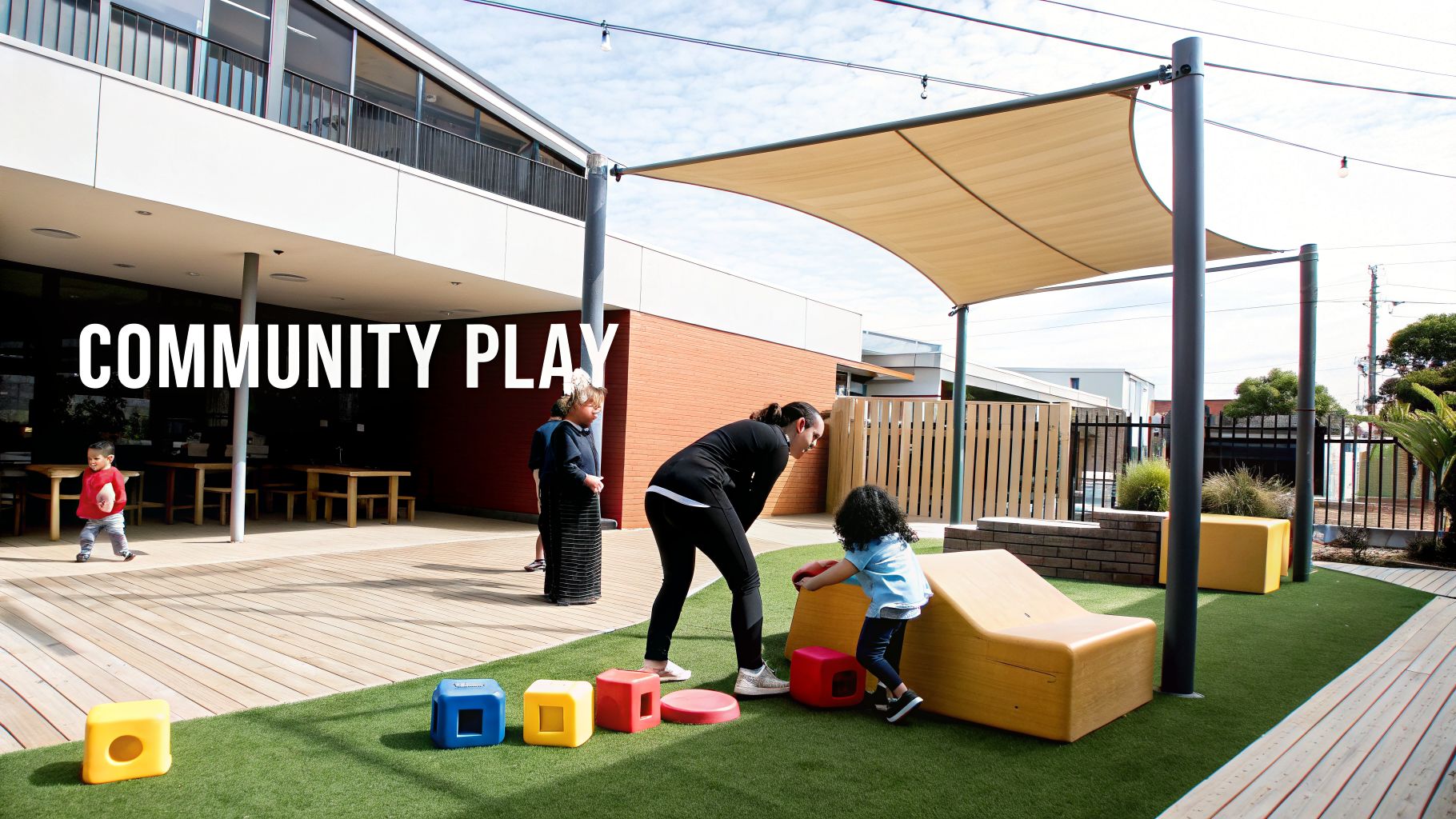
The growing demand for purpose-built play areas isn't just a fleeting trend. It’s a real response to the way we live in Australia today. With a greater understanding of developmental play and our cities becoming more populated, the need for secure, stimulating environments for children has become a top priority for councils, schools, and businesses.
The numbers back this up. Australia's urbanisation rate is a massive 86.6%, and with a young family demographic, that means more kids need safe places to play close to home. We’re talking about a population of over 4.8 million children between the ages of 0 and 14. This creates a huge and expanding market for safe, weatherproof activities—exactly what soft play delivers. You can get a deeper look into the Australian indoor playground market growth to see the full picture.
Picking the right equipment is about so much more than just bright colours and fun shapes. This is a major investment that will affect child safety, how the community uses the space, and your budget for many years. Getting it right from the start means finding the sweet spot between several key factors.
Think of it like buying a new vehicle for a community transport service. You wouldn't just look at the paint job. You’d dig into its safety rating, running costs, and whether it can handle our local roads. The exact same thinking applies when you're sourcing soft play equipment.
To help you get started, we've outlined the most important things you'll need to consider. Each point is crucial for making sure your play space is not only fun but also safe, long-lasting, and fully compliant with Australian standards.
The table below summarises the critical considerations for any organisation planning to procure soft play equipment in Australia.
| Factor | Key Consideration | Why It Matters |
|---|---|---|
| Safety & Compliance | Adherence to AS 4685 standards. | This ensures you meet your legal obligations, minimises liability, and, most importantly, protects children from harm. |
| Material Durability | UV-stabilised vinyl and high-density foam. | Your equipment needs to withstand the harsh Australian sun and constant use without fading, cracking, or breaking down. |
| Design & Engagement | Age-appropriate, inclusive, and imaginative themes. | A great design caters to different ages and abilities, sparks creativity, and keeps kids coming back for more. |
| Supplier & Support | Look for a proven track record and local presence. | A reliable local supplier offers better project management, professional installation, and accessible ongoing maintenance. |
| Budget & ROI | Focus on the total cost of ownership, not just the upfront price. | Investing in quality from the start reduces long-term repair and replacement costs, delivering far better value over time. |
By carefully weighing these factors, you can avoid costly mistakes down the track and maximise the return on your investment, creating a valuable community asset that will be loved for years.
Navigating playground safety standards can feel like a minefield, but getting it right is the most important part of creating a fantastic and secure play space. When you're looking at soft play equipment in Australia, you’re not just buying a product; you’re accepting a duty of care. This isn't about ticking boxes—it's about protecting children from harm and safeguarding your organisation against serious risk.
We often tell clients to think of it like getting a car its roadworthy certificate. The car might look brilliant on the outside, but it’s the fundamentals—the brakes, the structural integrity, the airbags—that make it safe. The Australian standards for playgrounds function in exactly the same way, providing a non-negotiable framework to ensure every piece of equipment is fundamentally safe.
In Australia, the key set of rules you need to know is the AS 4685 series. This collection of standards dictates the specific requirements for everything from design and manufacturing to the final installation, all aimed at preventing common and serious injuries.
If a supplier says their equipment is "compliant," they must be able to prove it meets these strict criteria. This isn't a 'nice-to-have'. Following these standards is essential for managing your liability and demonstrating you've taken every reasonable step to create a safe environment. The legal and financial fallout from non-compliance can be devastating, to say nothing of the potential for a tragic accident. For a deeper look, our guide on school playground safety standards offers a more detailed breakdown.
You don't need an engineering degree to grasp the core ideas behind playground safety. When you’re evaluating soft play equipment, you’ll keep coming across these three crucial concepts.
Safe Fall Heights and Impact Attenuation: This is all about the relationship between how high a child can climb and what they land on if they fall. Every elevated platform has a "critical fall height," and the surface below must be certified to absorb the impact from that specific height. Think of it as a simple equation: the higher the structure, the more protective and absorbent the surfacing needs to be.
Entrapment Hazards: Children are curious, and they can get stuck in the most unlikely places. These hazards are gaps or openings where a child’s head, limbs, or even fingers could become trapped. The standards are incredibly precise here, defining exact measurements to eliminate this risk. A gap must either be too small for a child’s body to get through or large enough for their head to pass through easily—there are no 'in-between' sizes allowed.
Material and Structural Integrity: Every component must be non-toxic, durable, and built to withstand the rigours of constant play and harsh Australian conditions. This covers everything from the foam core and the vinyl wrapping to the quality of the stitching holding it all together. The structure itself must be certified as strong enough to handle the weight of multiple excited children without any risk of bending or collapse.
A compliant piece of soft play equipment has been systematically tested against a huge checklist of potential risks. It’s about proactively designing out danger before it can ever become a problem, ensuring every angle and surface has been considered from a child's perspective.
Never simply take a supplier’s word on compliance. Genuine compliance is proven with documentation, not just promises. When you're talking to potential partners, you need to feel confident asking for the paperwork.
A reputable supplier of soft play equipment in Australia will have no problem providing:
By asking these direct questions and insisting on clear, documented proof, you shift from hoping your playground is safe to knowing it is. This simple due diligence is your most powerful tool for creating a play space that is a source of joy, not a source of liability.
When you're looking at soft play equipment in Australia, it’s easy to get caught up in fun shapes and bright colours. But the real test isn't how it looks on day one; it's how it holds up against some of the toughest environmental conditions on the planet. Our intense UV radiation, wild temperature swings, and coastal humidity can absolutely destroy inferior products in no time at all.
Think of it like dressing for the Aussie climate—you wouldn't wear a thin jacket in a southerly buster, and you shouldn't settle for standard materials in your play space. A vinyl cover that isn't properly UV-stabilised will quickly fade and turn brittle under our sun, leading to cracks and a tired, worn-out look within a year or two. Even worse, the foam core inside can degrade from the heat, losing its ability to cushion falls. This isn’t just a cosmetic problem; it's a direct threat to children's safety and the longevity of your investment.
To make a smart call, you need to know what you're looking for. Every piece of quality soft play equipment has three critical components.
The Foam Core: This is the heart of the equipment. You want high-density polyurethane (PU) foam—it’s the gold standard for a reason. It provides a firm yet forgiving structure that can take years of jumping and climbing without turning into a pancake. Cheaper, low-density foams might feel soft at first, but they’ll quickly lose their shape and supportive qualities.
The Vinyl Cover: This is the first line of defence against wear and tear. Insist on commercial-grade, UV-stabilised vinyl. A great benchmark is marine-grade vinyl, the kind used on boats, because it’s literally built to resist sun, salt, and moisture. It also needs to have a high tear strength and be treated with anti-fungal agents to stop mould and mildew from taking hold, especially in humid spots like Brisbane or Sydney.
The Stitching and Seams: You can have the best vinyl in the world, but it’s useless if the seams split. Look for equipment with double-stitched, reinforced seams that use UV-resistant thread. It’s a small detail, but it’s often what separates professional-grade gear from cheap alternatives that fall apart under pressure.
A tough play space is great, but it also has to be safe and easy to clean. The material's surface is a huge part of this.
A non-porous vinyl surface is essential. It makes wiping down and disinfecting the equipment simple, preventing liquids from soaking in and stopping bacteria from growing. For any childcare centre, school, or public venue, this is a non-negotiable feature.
When you're talking to suppliers, make sure to ask for the colour fastness ratings of their materials. This tells you how well the colour will hold up against sunlight and cleaning chemicals, ensuring your play area stays vibrant and inviting for years, not just a few months.
This infographic breaks down the core ideas behind Australian safety standards, which are all tied directly to the quality of the materials you choose.
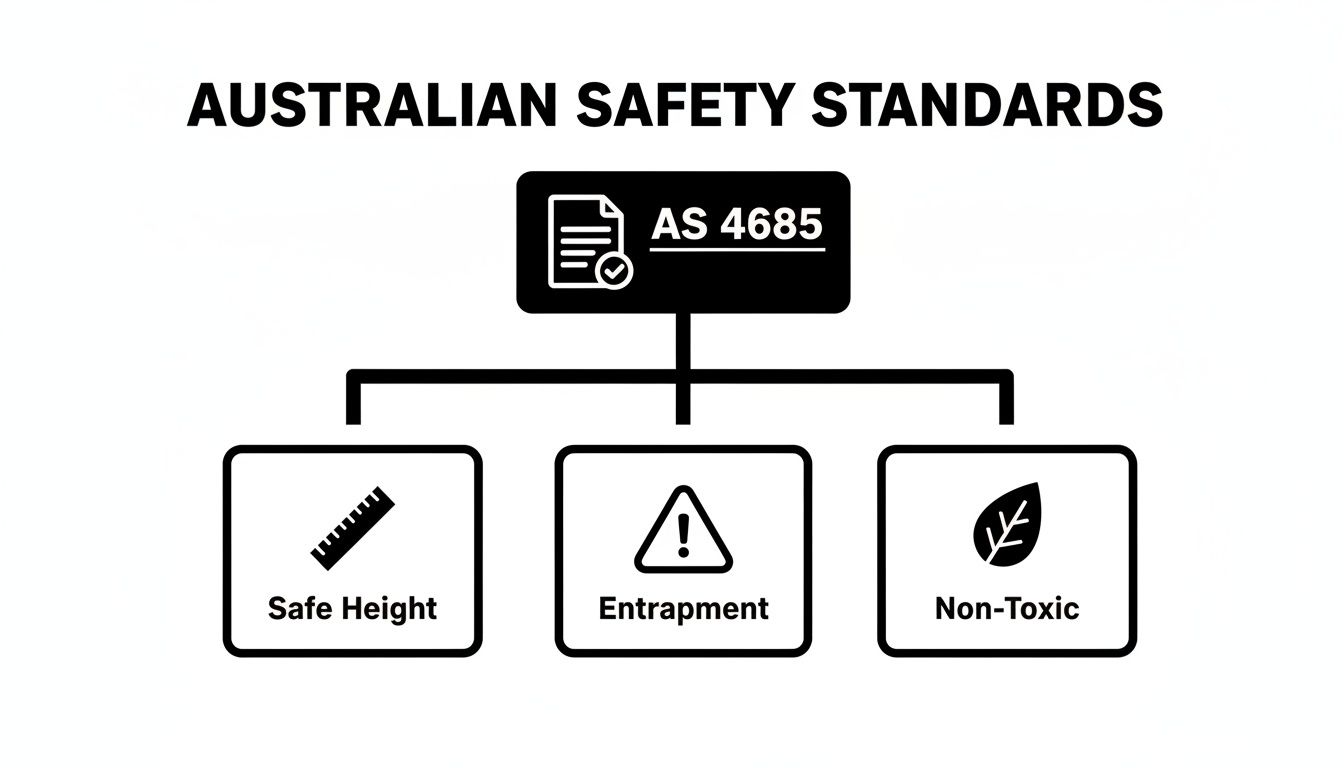
As the diagram shows, material integrity is the foundation for meeting every part of AS 4685, from ensuring surfaces are non-toxic to providing the structural strength needed to prevent falls and entrapment.
At the end of the day, investing in premium materials is a strategic move that pays for itself. The upfront cost might be a bit higher, but you'll get that back through far lower maintenance bills, a much longer lifespan, and the peace of mind that your equipment is both safe and genuinely built to last.
When you're sourcing soft play equipment in Australia, always put the material specifications at the top of your list. The surrounding area is just as important, so have a look at our guide on playground surfacing materials to make sure the entire space is set up for safety and durability.
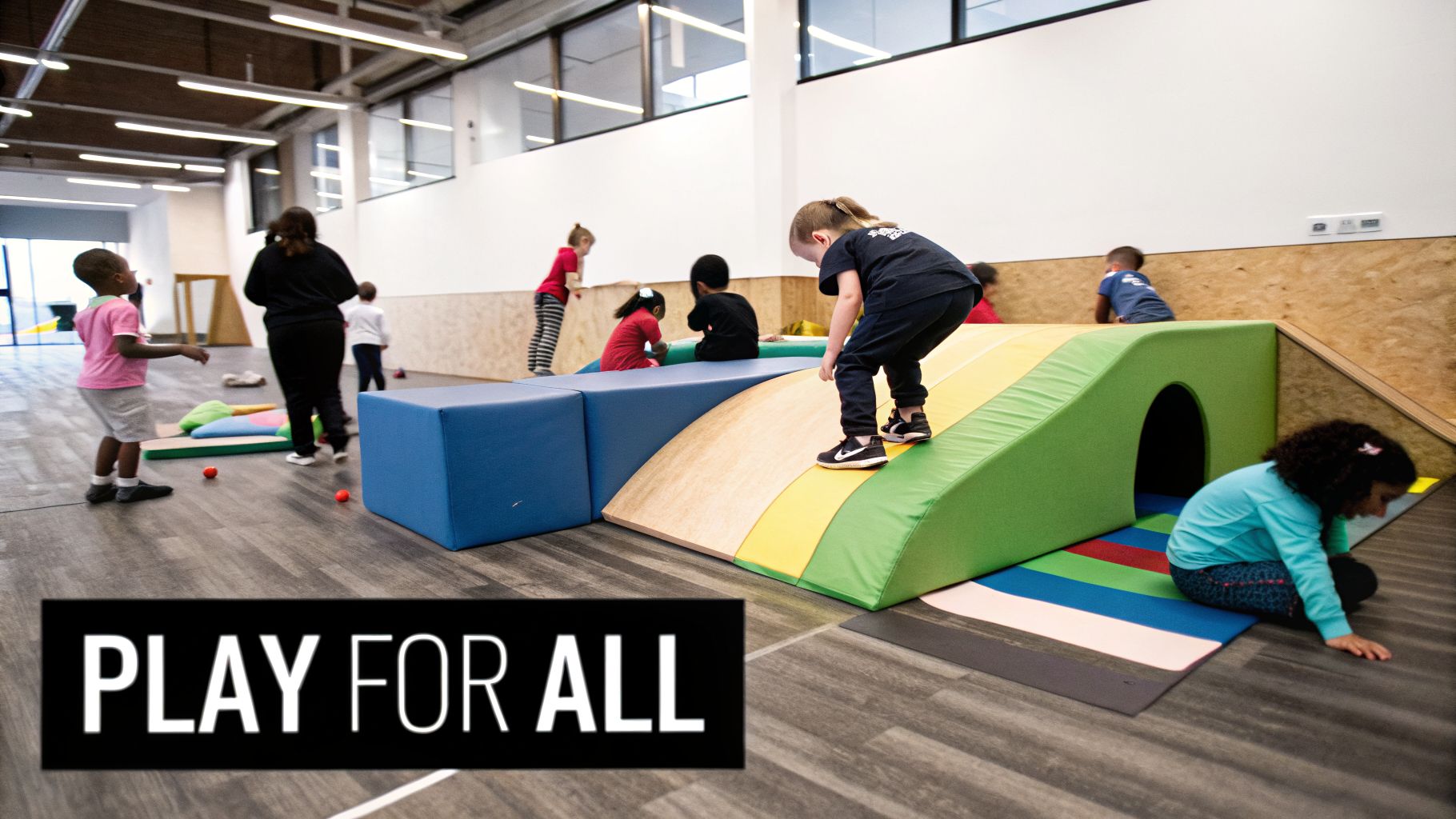
There’s a world of difference between a room filled with soft play items and a truly special play environment. The best spaces are more than just a collection of equipment; they’re carefully designed worlds that spark a child's imagination and invite everyone, without exception, to be part of the fun. Great design turns a simple area into a landscape for adventure, learning, and growth.
Think of it like designing a mini-neighbourhood. You wouldn’t put a high-energy skate park right next to a quiet community garden. In the same way, smart soft play design creates distinct zones for different ages, energy levels, and play styles. This ensures that every child can find their place and have a fantastic, safe experience.
This thoughtful approach is critical, especially when you consider how much Aussie kids love soft, tactile play. A recent report revealed something fascinating: over 43% of Australian pre-schoolers prefer soft toys above all others. That’s a figure 39% higher than the global average. What's more, that preference saw an 8% year-on-year surge among 3 to 5-year-olds between 2020 and 2022. You can dig into the data on the popularity of soft toys among young kids to see just how deep this connection runs.
One of the most powerful strategies we use is zoning. This is all about creating dedicated areas for different developmental stages. When done right, you avoid having boisterous older kids accidentally overwhelm the little ones, while still giving everyone the freedom to play their way.
Toddler Zone (Ages 0-3): This space is a safe haven for discovery, focusing on those crucial first movements. It’s all about low-level climbers, soft, gentle ramps, and sensory toys that build confidence as toddlers learn to crawl, stand, and walk.
Junior Zone (Ages 4-7): The challenge level gets a little bump here. You’ll find multi-level structures, small slides, and interactive panels that get kids thinking. This is where you really start to see social skills blossom as they learn to play together.
Senior Zone (Ages 8+): This is where the big kids burn off their energy. Think taller climbing towers, faster slides, and fun obstacle courses that test coordination and strategy. It gives them the exciting physical outlet they’re looking for.
True inclusion goes far beyond just adding a wheelchair ramp. It’s about creating a space where every child, regardless of ability, feels a sense of belonging and can play in a meaningful way. This means designing for a wide spectrum of physical, sensory, and cognitive needs.
An inclusive playground doesn't expect every child to play on every piece of equipment. Instead, it ensures there are fun, engaging, and challenging options available for every child, regardless of their ability.
Consider the needs of neurodiverse children, for whom sensory play is key. This might look like:
When you thoughtfully weave these features into your design, your soft play equipment in Australia becomes a genuinely welcoming place for all families.
This is where the real magic happens. A strong theme ties the entire play space together, transforming it from a collection of foam shapes into a story that kids can step into. Suddenly, they're not just climbing a block—they’re scaling a mountain or boarding a pirate ship.
Some popular themes that resonate brilliantly in Australia include:
A well-executed theme doesn’t just look impressive; it’s a catalyst for imaginative role-playing, cooperation, and problem-solving. When kids have to work together to escape the "dangers" of the jungle or find "treasure" on a lost island, they're building vital life skills without even realising it. Ultimately, great design elevates soft play equipment from just a product into a memorable experience.
Bringing a new play space to life isn't just a transaction; it's a partnership. When you choose a supplier for soft play equipment in Australia, you’re not just buying pieces off a shelf. You're bringing on an expert guide who will be with you from the first vague idea right through to the grand opening.
Think of it like a custom home build. You wouldn't just order a pile of timber and bricks and hope it all fits together. You’d bring in an architect and a builder to make sure your vision, your budget, and the reality of the block all align. That’s exactly how a great playground project works—it turns a complex process into a clear, manageable, and even enjoyable one.
Every successful project starts with a simple conversation. This is where we get to the heart of what you want to achieve for your community. It’s about much more than just picking out a slide; it's about defining your goals, knowing who you’re building for, and setting a realistic budget from day one.
A good partner will dig deep with the right questions:
This first chat basically sets the GPS for the entire project. It makes sure everyone involved is heading in the same direction.
With a clear vision in place, we get down to the practicalities. A professional team will carry out a detailed site assessment. This is more than just taking measurements. We’re looking for potential headaches—things like uneven ground, drainage problems, or how the new gear will integrate with existing trees and pathways.
Now for the exciting part: seeing your ideas take shape. Using the info from the site check and our initial chat, designers will create custom 3D design renders. These visuals are game-changers. They let you walk through the finished space and see exactly how it will look and feel long before a single bolt is tightened.
For many organisations, especially councils and schools, these 3D renders are worth their weight in gold for getting stakeholders on board. It’s so much easier to get the green light and build genuine excitement when you can show people a vibrant, realistic picture of what's coming.
Once you’ve approved the design, the project moves into production. This is where having a reputable, Australian-based partner really pays off. They have eyes on the factory floor, making sure those high-quality, locally suited materials are used and that every component is built to meet Australia’s strict safety standards.
This is also where a sharp project manager becomes your best friend. They handle all the complex logistics of moving everything from our factory to your location. This involves:
All this work behind the scenes is what prevents costly delays and unexpected problems on installation day. The entire process is managed for you, turning your concept into a finished, community-ready asset without the stress. A partner like Kidzspace is set up to guide you through this whole journey.
So, your new play space is installed, and it’s buzzing with the sound of happy kids. That’s a fantastic milestone, but it's not the end of the story. Think of your soft play equipment like a new vehicle – it needs regular servicing to keep running safely and efficiently. Consistent maintenance is the key to protecting your investment, keeping children safe, and getting the most out of your equipment for years to come.
It really comes down to a simple choice: proactive care or reactive, and often expensive, repairs. A tiny tear in the vinyl today can quickly become a major rip tomorrow, exposing the inner foam and creating a real safety risk. Staying on top of maintenance means you'll catch these small issues early, turning a potential shutdown and costly repair into a quick, simple fix.
Long-term care starts right at the beginning, with installation. While it might be tempting to assemble the equipment yourself to save a few dollars, this often introduces significant risks you might not have considered. Professional installation by a certified team isn't just a luxury; it’s a crucial step for compliance and protecting your warranty.
When experts handle the build, they ensure every single component is put together precisely to the manufacturer's specifications and Australian Safety Standards. This guarantees the structure is sound and all the critical safety zones are mapped out correctly. Trying to do it yourself can easily void your warranty, which means if something fails, you're the one left with the bill for what would have been a covered repair.
A straightforward, consistent maintenance schedule is your best defence against premature wear and tear. By breaking down your duties into daily, weekly, and annual checks, keeping your play area in top shape becomes a manageable task, not an overwhelming chore. This routine ensures your soft play equipment remains safe, hygienic, and inviting.
A well-maintained playground sends a powerful message to your community. It shows that you are committed to providing a high-quality, safe environment for children, which builds trust and encourages families to return time and time again.
To make it easy, we recommend a simple three-tiered approach.
1. Daily Visual Inspections
This is just a quick, five-minute walk-through you can do before opening or after closing.
2. Weekly Cleaning and Deeper Checks
Once a week, set aside a little more time for a more thorough job.
3. Annual Structural Review
At least once a year, it’s essential to schedule a comprehensive structural inspection. This is the perfect time to bring in a professional, particularly for larger, more complex structures. An expert will check the frame's integrity, the condition of the foam padding, and ensure everything is still compliant with AS 4685.
For more detailed instructions, our comprehensive playground maintenance checklist offers a step-by-step plan you can put into action today. This proactive approach is the best way to maximise your return on investment, avoid frustrating downtime, and ensure your play space remains a safe and well-loved asset for your community.
When you're looking to invest in a new play space, you’re bound to have questions. It’s a big decision! We’ve put together answers to some of the most common queries we hear from Australian schools, councils, and businesses to give you the clarity you need.
That’s a question we get all the time. With top-quality materials and a solid maintenance routine, you can realistically expect your soft play equipment to last 7-10 years, sometimes even longer.
The biggest variables are the quality of the vinyl and foam used, how heavily the area is used, and how diligent you are with inspections. It’s worth remembering that cheaper, non-UV-treated materials often struggle with the harsh Australian sun and can start to break down in just 2-3 years. Thinking about materials from the start is one of the smartest long-term investments you can make.
Honestly, there’s no one-size-fits-all answer here. It really comes down to who you're building it for and what you want to achieve. A cosy little corner for toddlers might only need 10-15 square metres. On the other hand, a huge, multi-level structure for a family entertainment centre could easily take up 100 square metres or more.
The real clincher is the mandatory 'safe fall zones' required around the equipment. These zones are non-negotiable under Australian safety standards and can add a significant amount to your total required footprint.
Getting a professional to do a site assessment is the surest way to figure out exactly what your project needs and to make sure everything is fully compliant from day one.
Absolutely! This is where the fun really begins. Reputable Australian suppliers will have a massive palette of vinyl colours to choose from, so you can easily match your school’s house colours or your organisation's branding.
Beyond just colours, you can work directly with designers to bring a unique theme to life. We’ve seen some brilliant ideas over the years, including:
Customisation is what transforms a simple play area into a memorable destination that strengthens your connection with the community.
The main running costs are all tied to maintenance. This includes things like cleaning supplies, the staff time needed for daily safety checks, and occasionally replacing high-wear parts like netting panels or small vinyl patches.
We also strongly recommend budgeting for an annual professional inspection. It’s a small yearly expense that pays for itself by ensuring the structure remains safe and compliant. Catching small issues early is always far cheaper than dealing with a major repair or equipment failure down the track.
Ready to create a play space that gets your community talking? The team at Kidzspace is here to guide you through the entire process, from the first sketch to the final installation. Get in touch for a free playground consultation and let’s talk about what’s possible.


Copyright © Kidzspace. All Rights Reserved.
Copyright © Kidzspace. All Rights Reserved.